Skip to content
  • July Growth

    July 22, 2026
    Overview

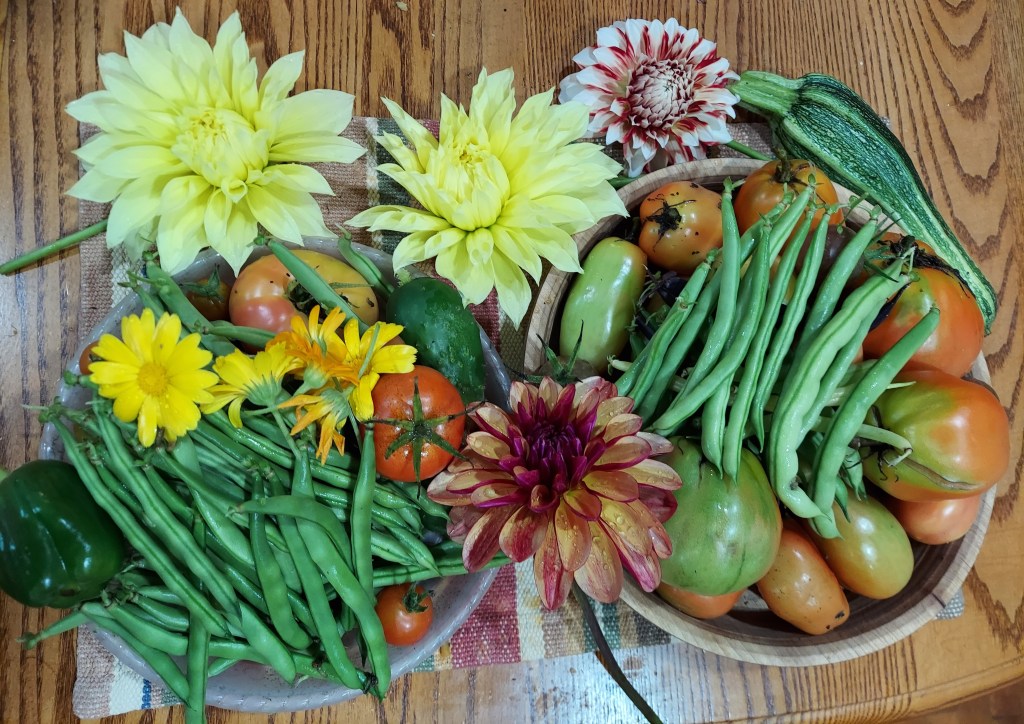
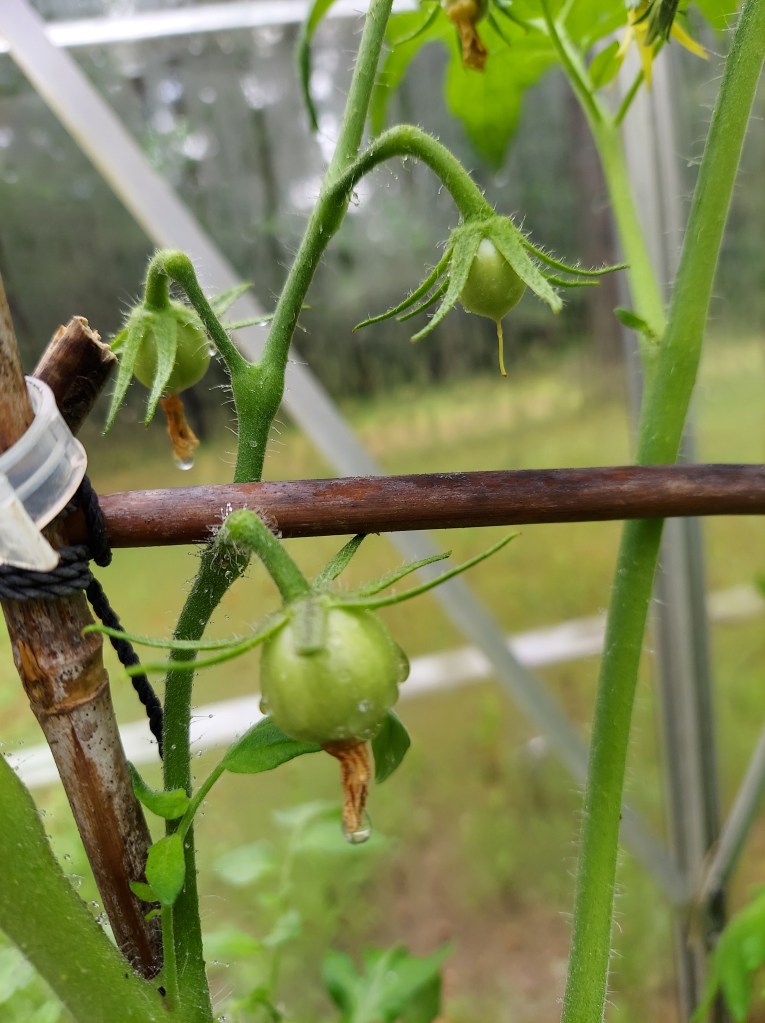
    July is often a great month for seeing visible growth in the garden. This year was no exception. The tomato plants are full of flowers and small fruits, I’ve been picking beans every two days, the first zucchini have been harvested. The flower beds are also taking off, dahlias, cosmos, marigolds, zinnias, and coneflower are all blooming.

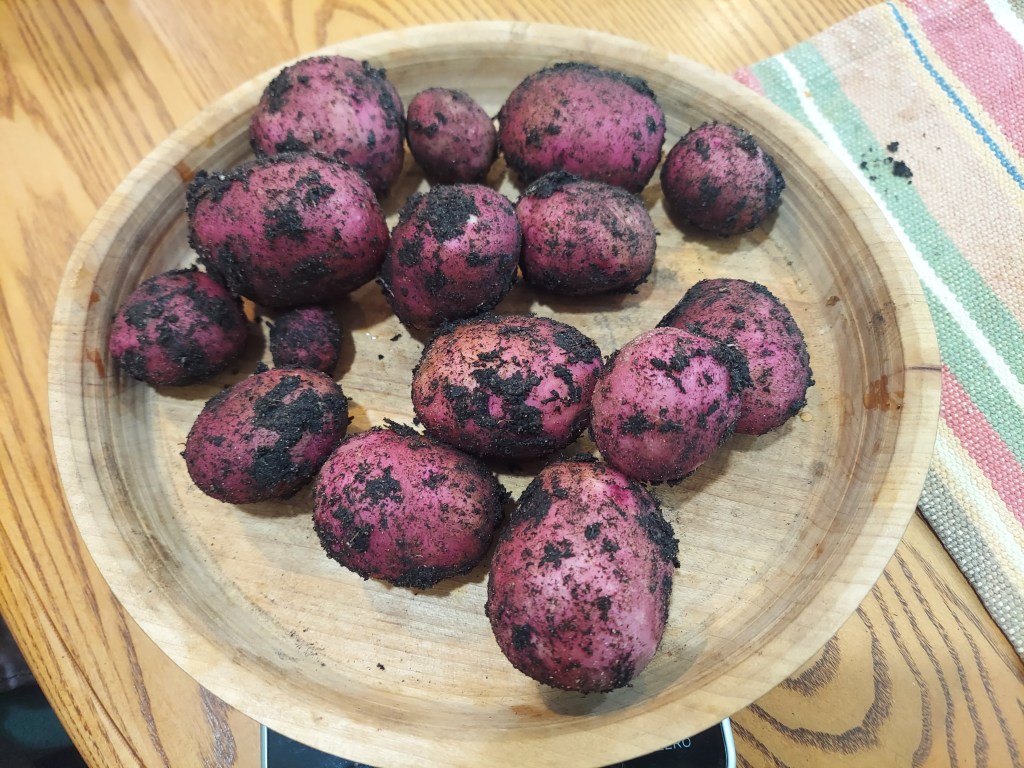
    I harvested my first grow bag of potatoes, the stems had been chewed on by some critter, so the plants didn’t have as much energy as the rest. Still, I harvested over a pound of potatoes.

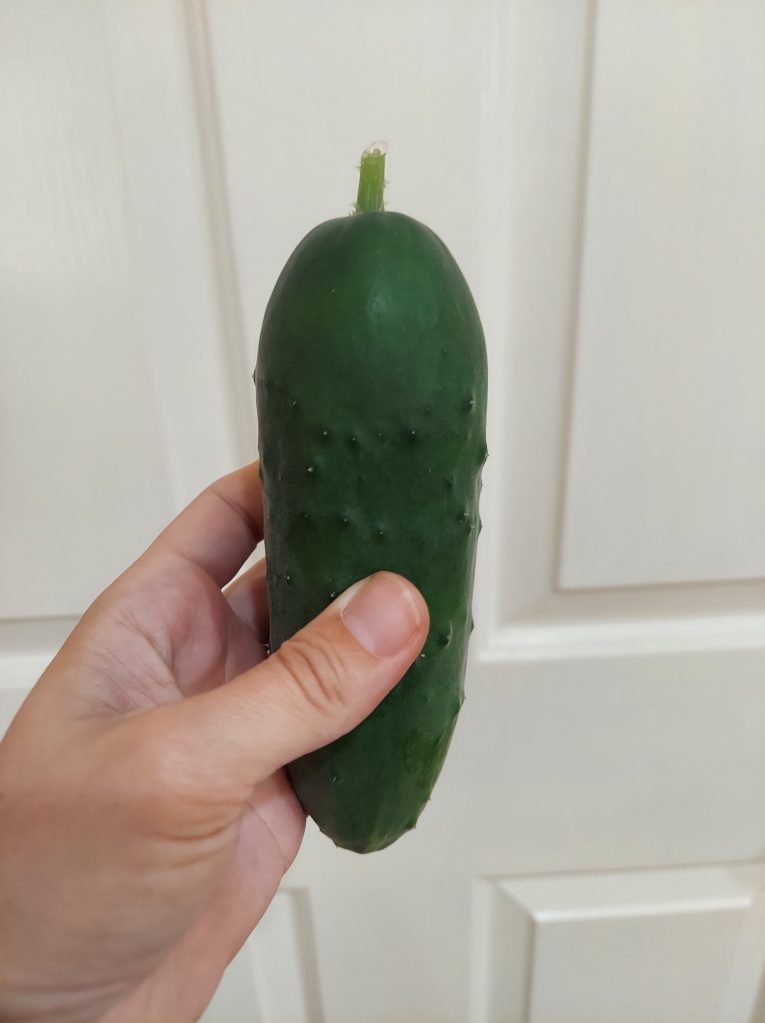
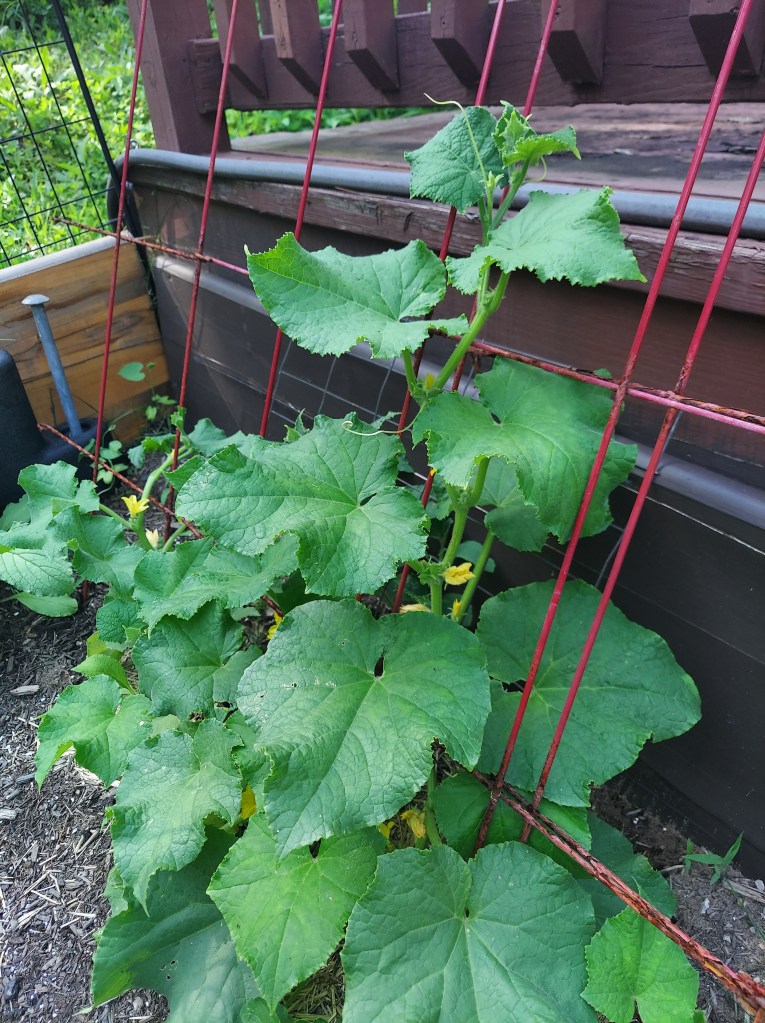
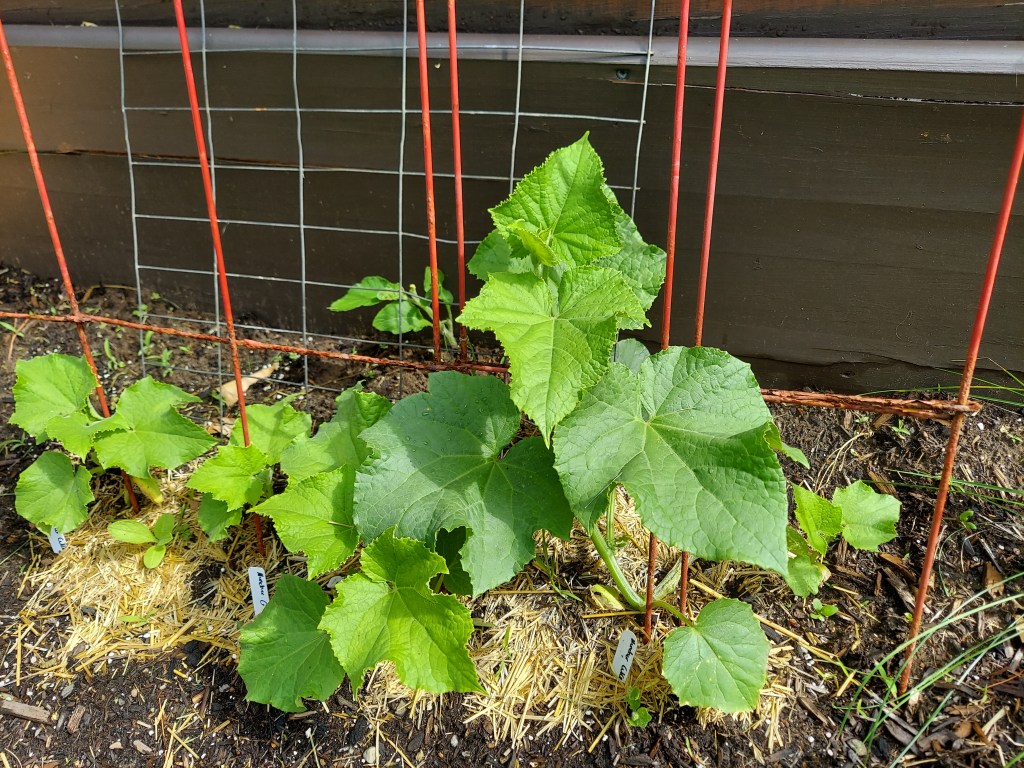
    The outdoor cucumbers are happily climbing the trellis, and I’ve spotted the first few female flowers. Should be harvesting the first cukes soon. The plants in the greenhouse are going slower, but should start flowering soon.

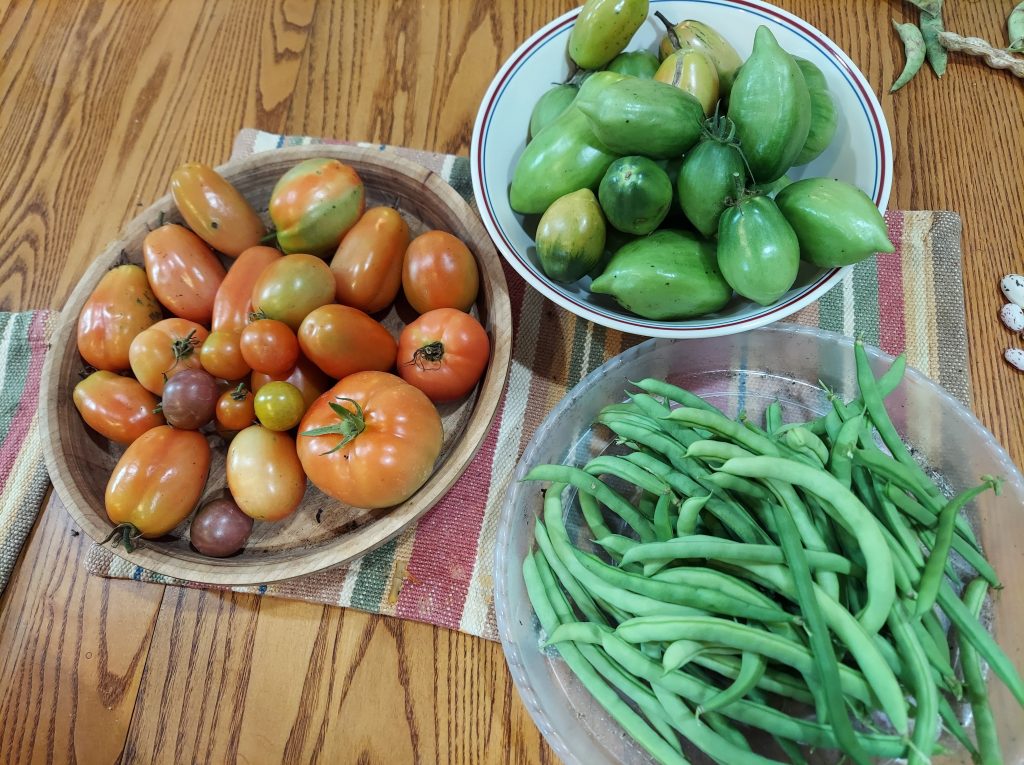
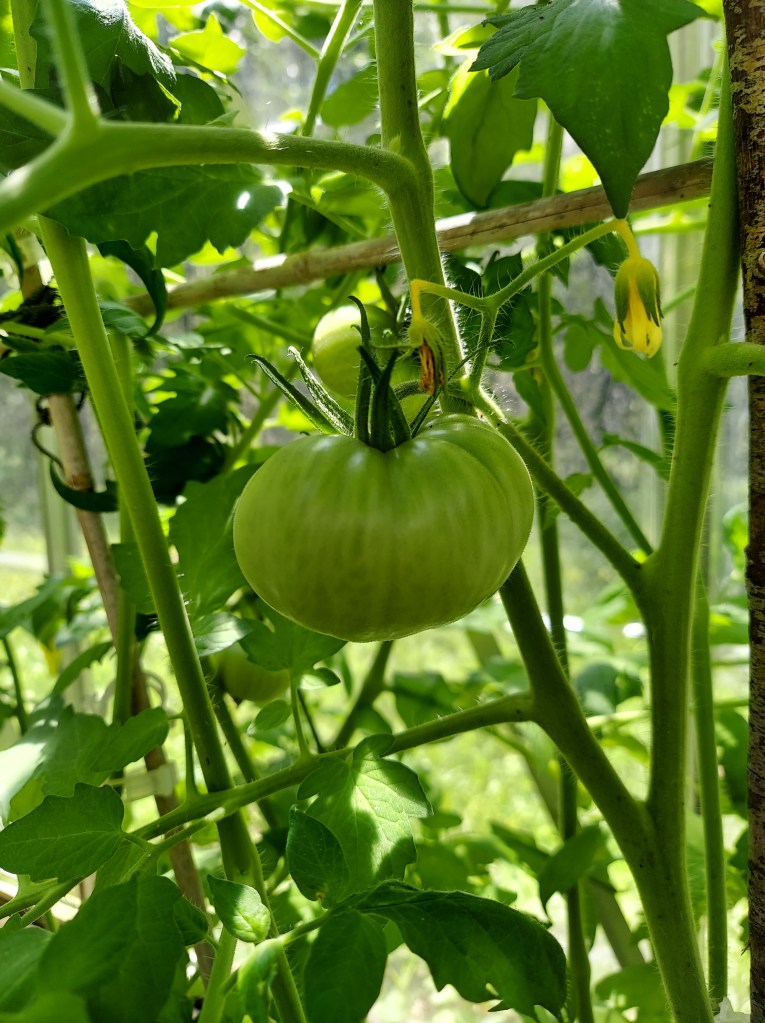
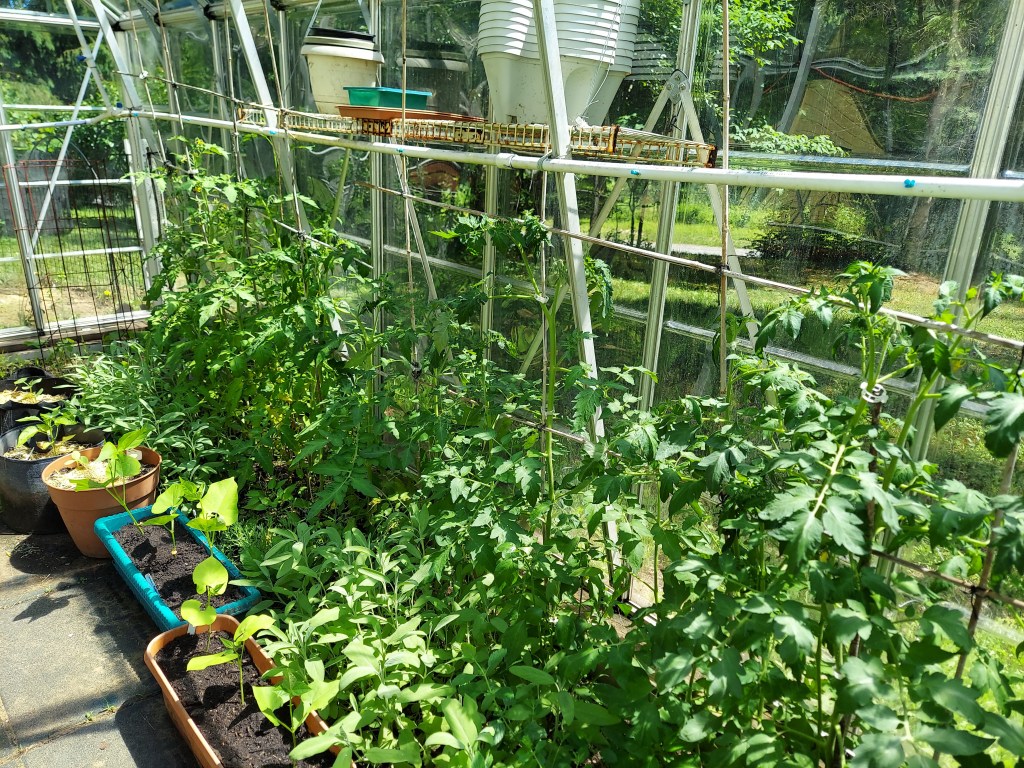
    The greenhouse tomatoes are starting to size up nicely. I have slicers and beefsteaks inside, mostly cherry tomatoes outside.

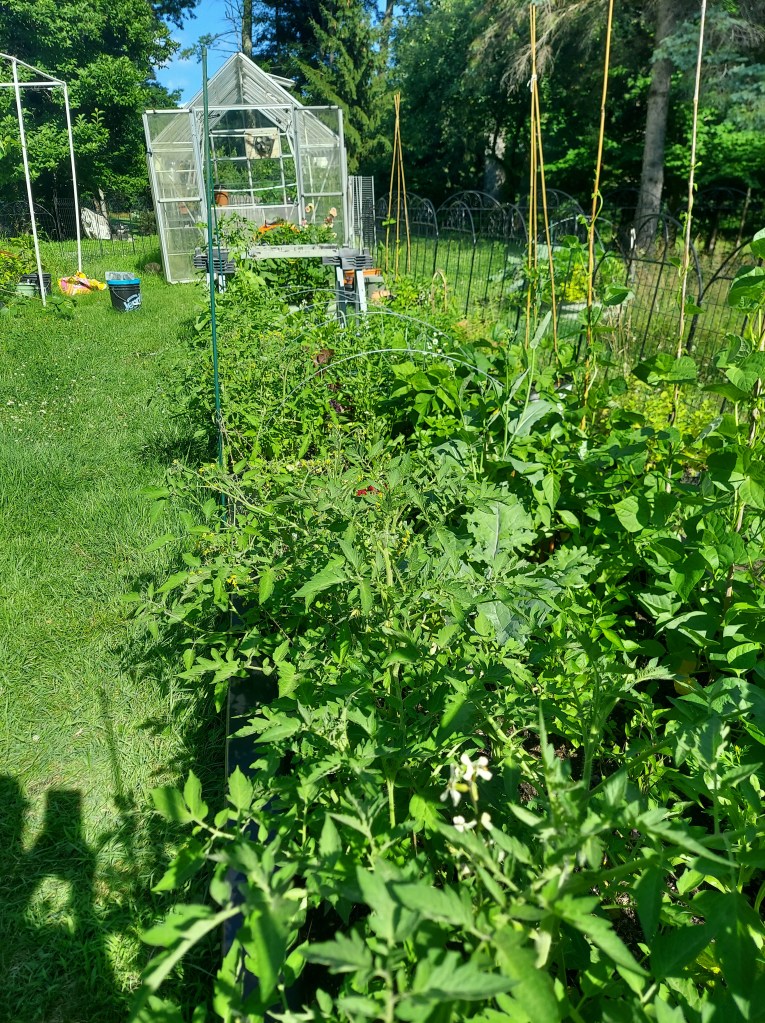
    The long outside garden bed is bursting with plants, and some weeds too. The whole left row is tomatoes; the center is mostly peppers and flowers, and the right row is lemon balm and bush beans.

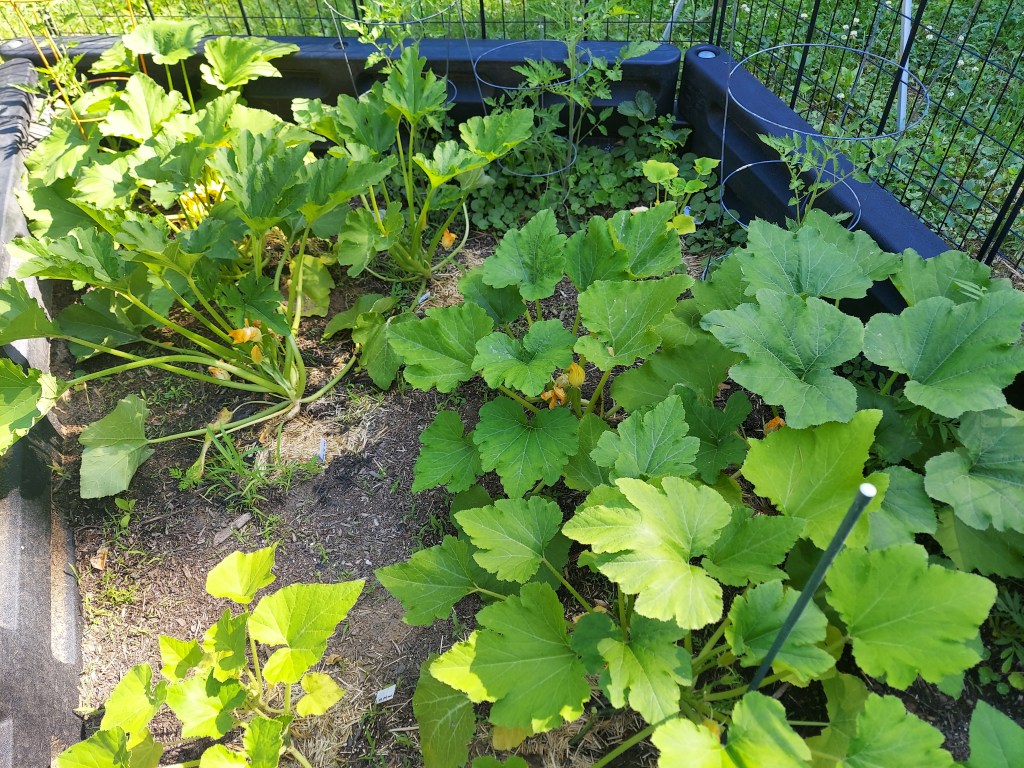
    The winter squash row is also filling in quite nicely, I have about a dozen plants, pumpkins, butternut, and acorn squash. They are flowering now and the bees are certainly around. I have spotted one fruit so far, there will hopefully be more soon.

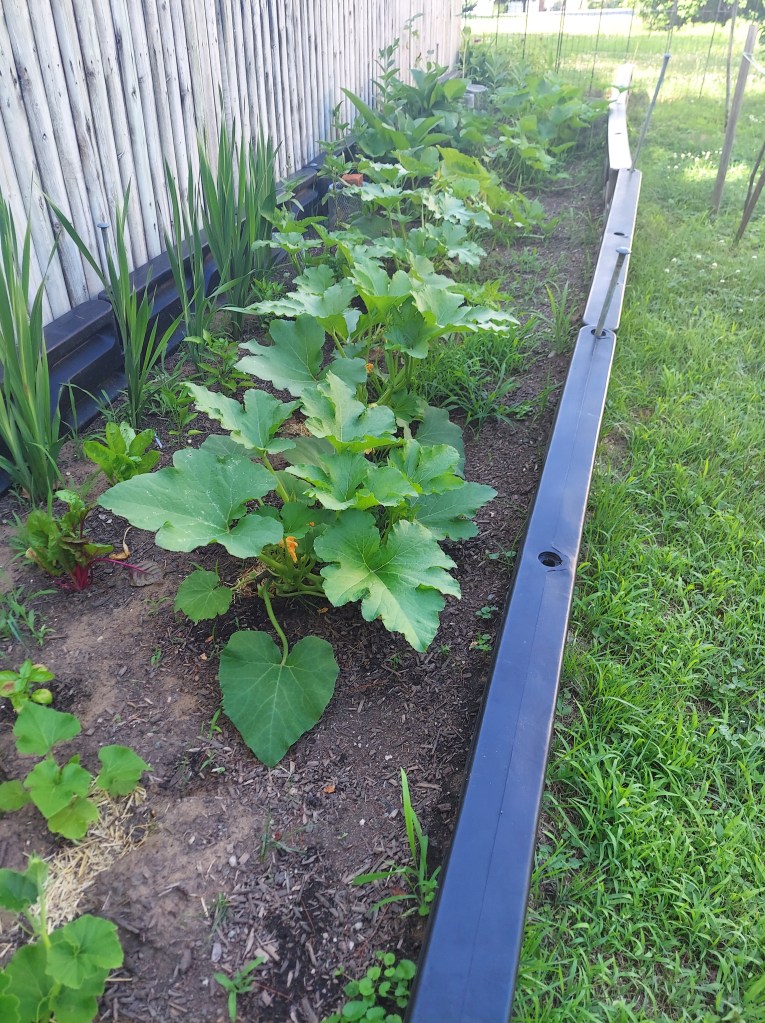
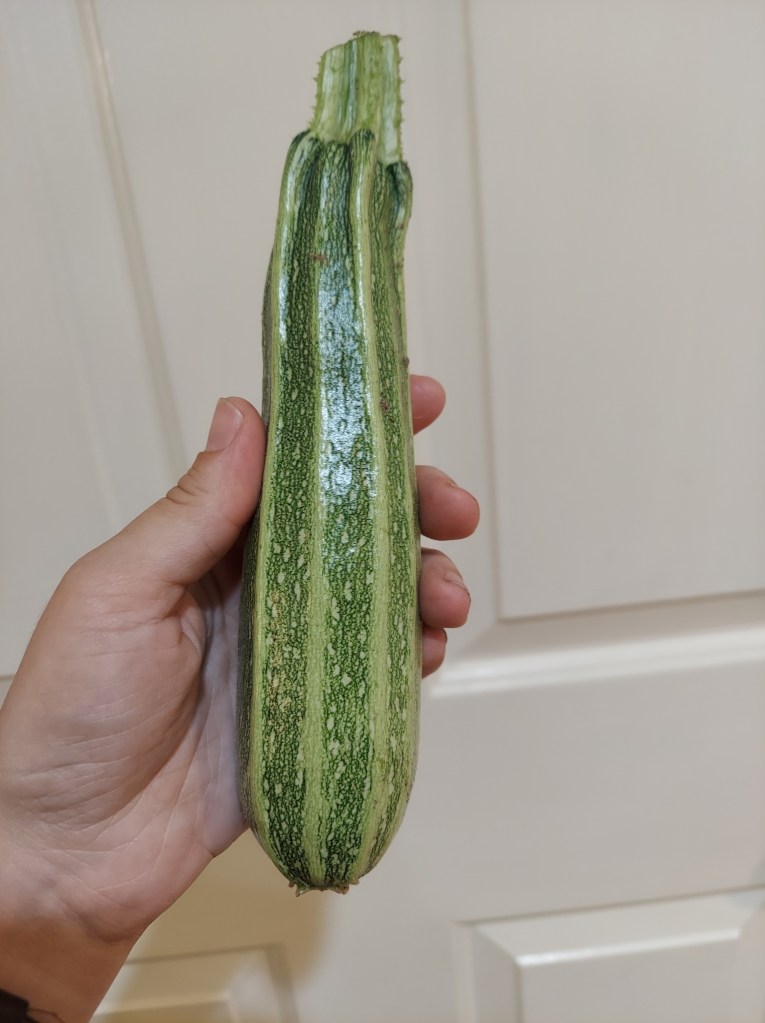
    The zucchini plants have gotten a bit wind-blown but thankfully none of them were uprooted. I harvested my first squash last week, and a second one yesterday!

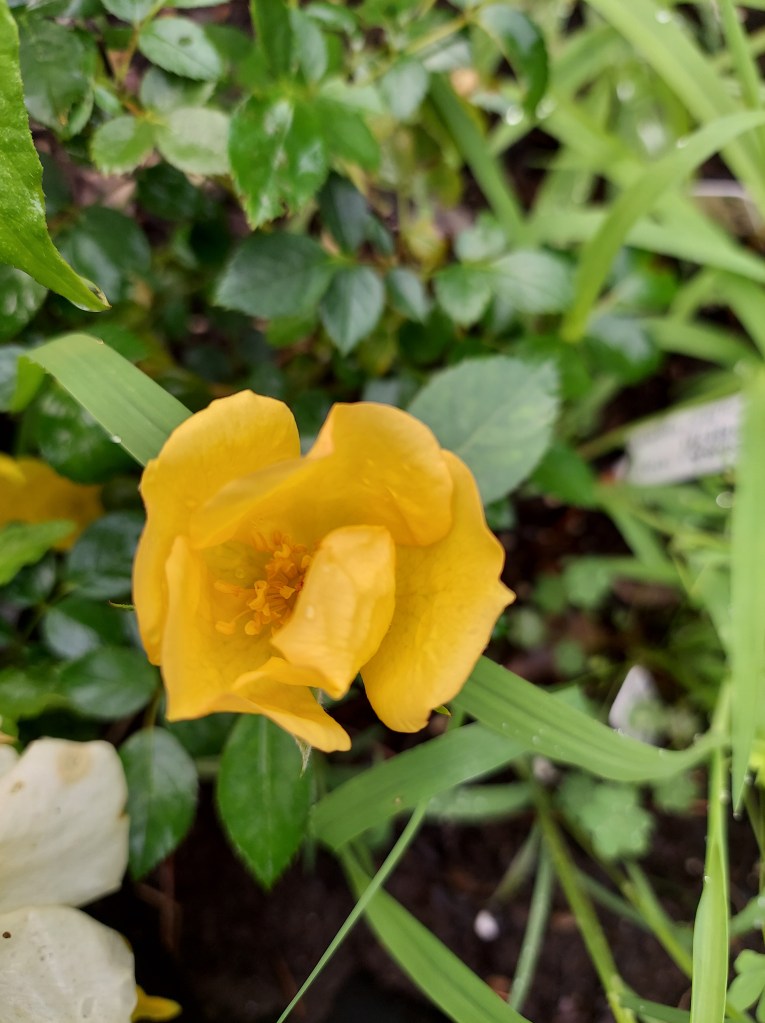
    My new, small yellow knockout rose has started blooming. I bought it this spring in a 4-inch pot. It’s put on a good amount of growth, and I’m looking forward to see how it does next year once it is fully settled in.

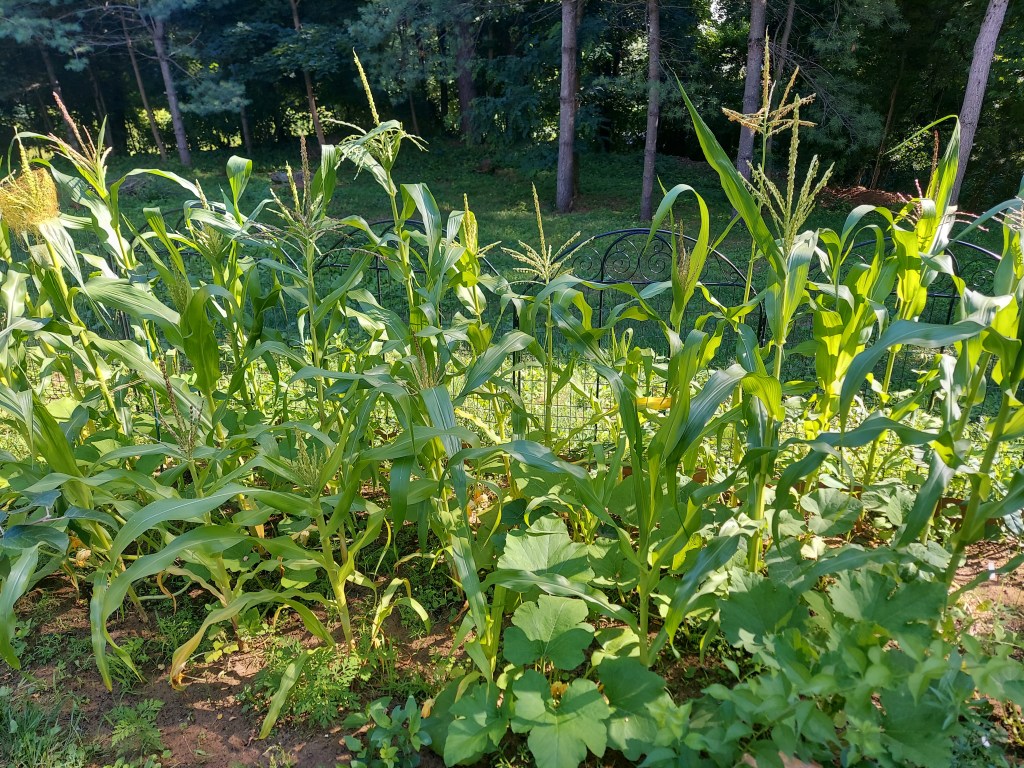
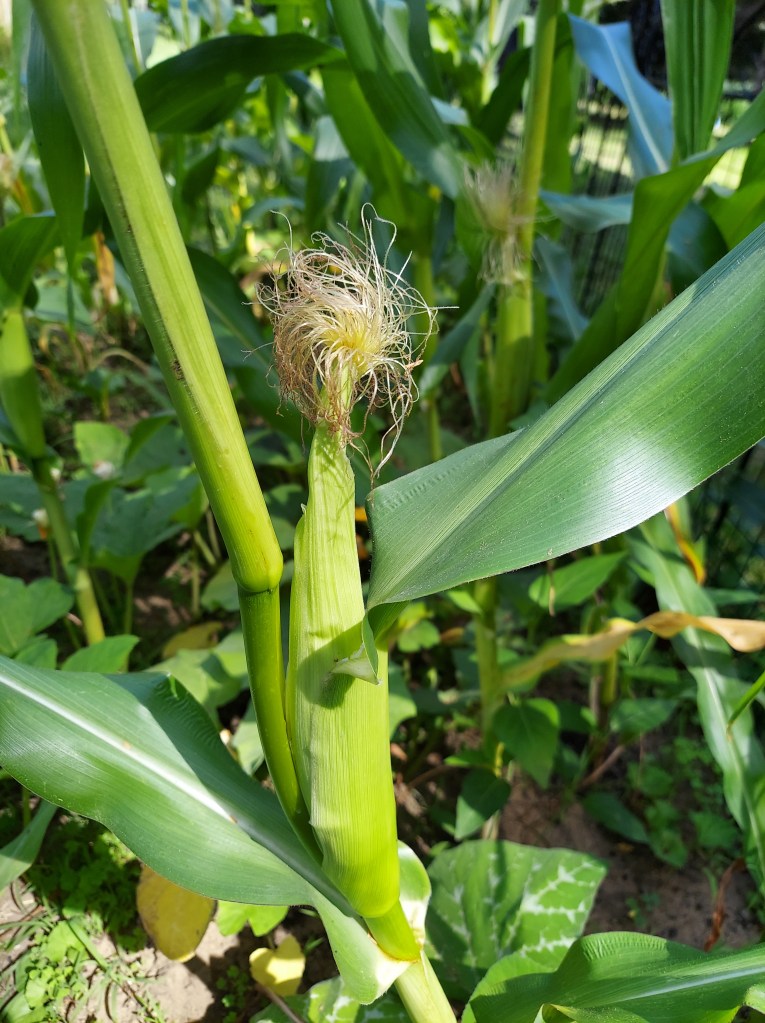
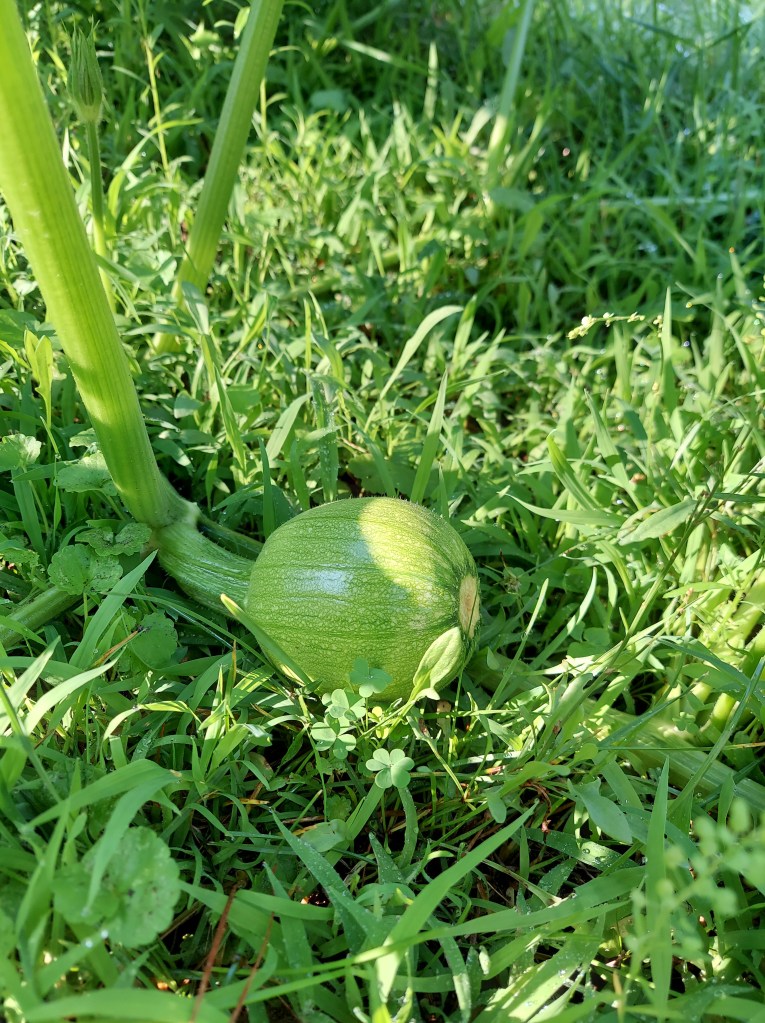
    The corn patch is in production mode! Tasseling and forming ears, there are bees buzzing all the time. The winter squash below are also sprawling and I’ve spotted one small squash so far.

    Many of the corn plants are over 5 feet tall, and it looks like we will get a nice harvest.

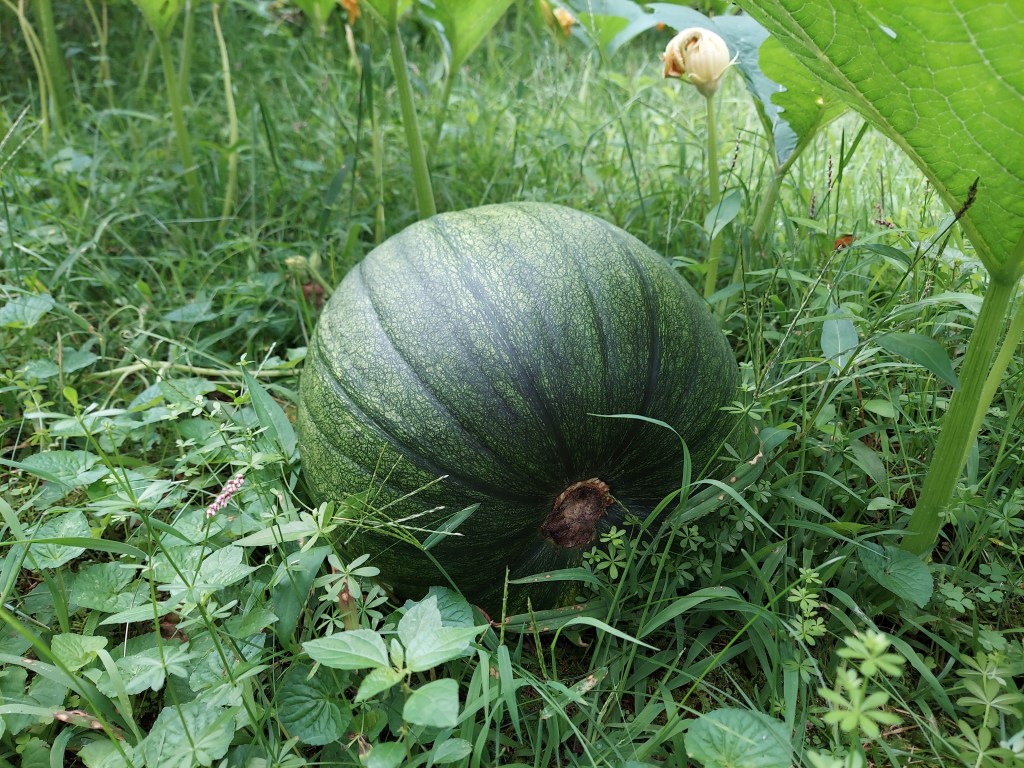
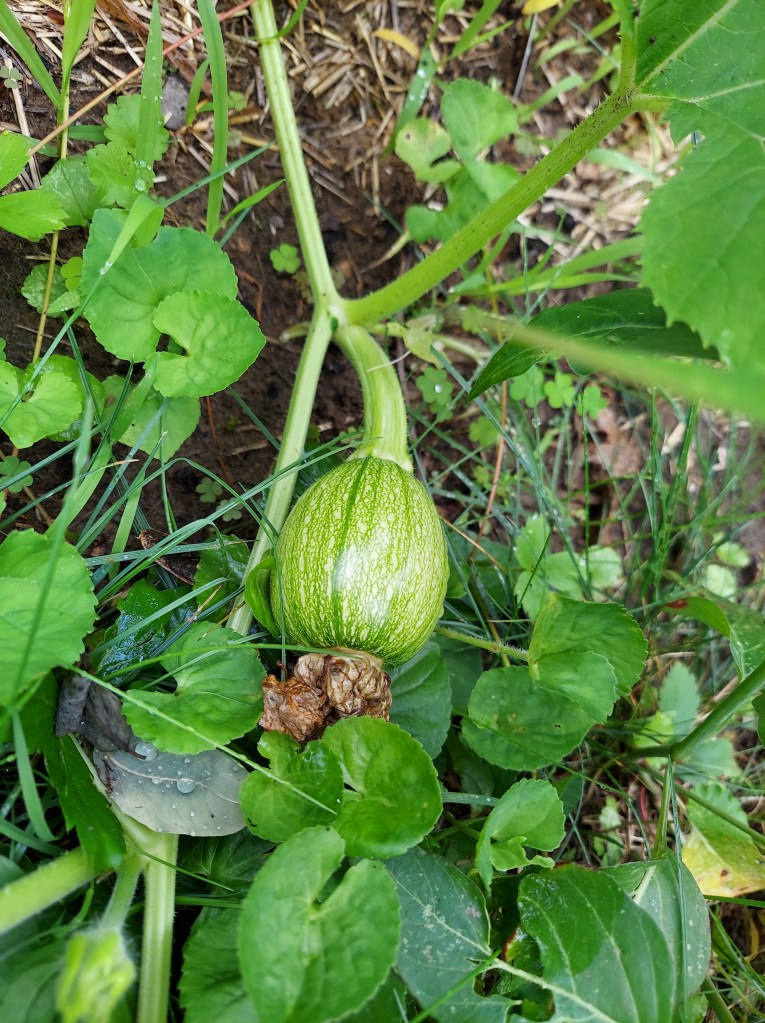
    Spotted the first winter squash growing from beneath the corn patch, right on the edge. Not sure which kind it is, but it looks like a pumpkin at this point.

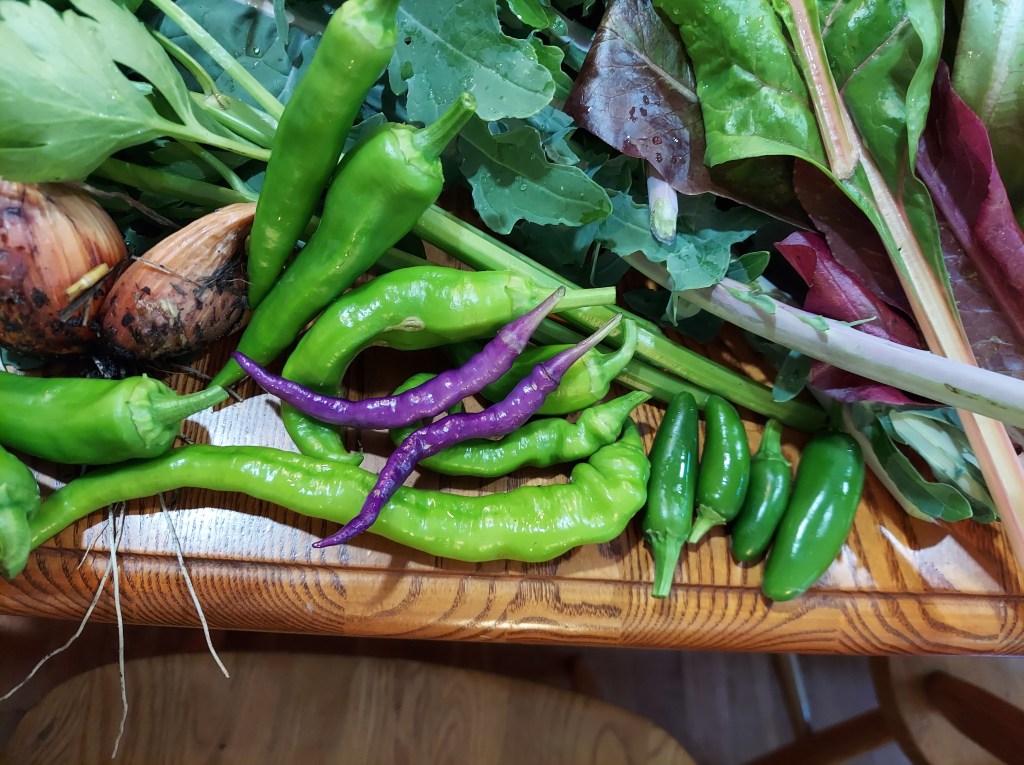
    All the various pepper plants are producing, sweet and spicy. I’ve now had to clear the lettuce since they bolted when I went to camp. I’ve direct sowed some beets in their place and started some more lettuce seeds indoors.

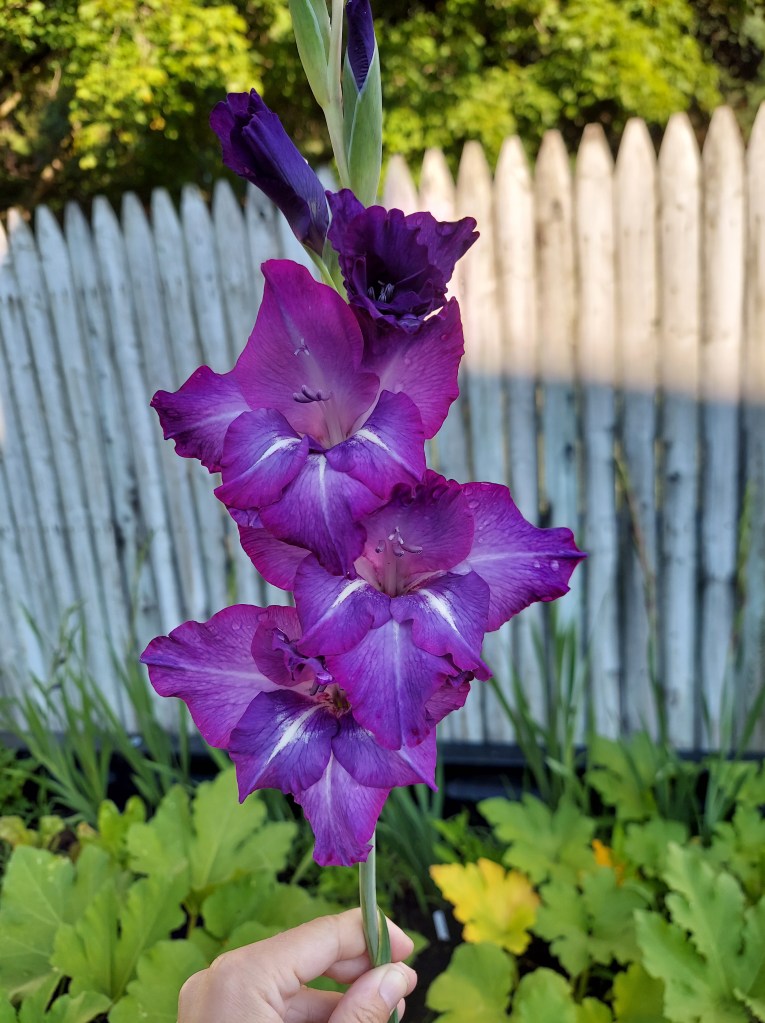
    Cut my first ever gladiolus flower spike this week! The variety is Blue Isle. There are more coming, and I can’t wait for them to start blooming.

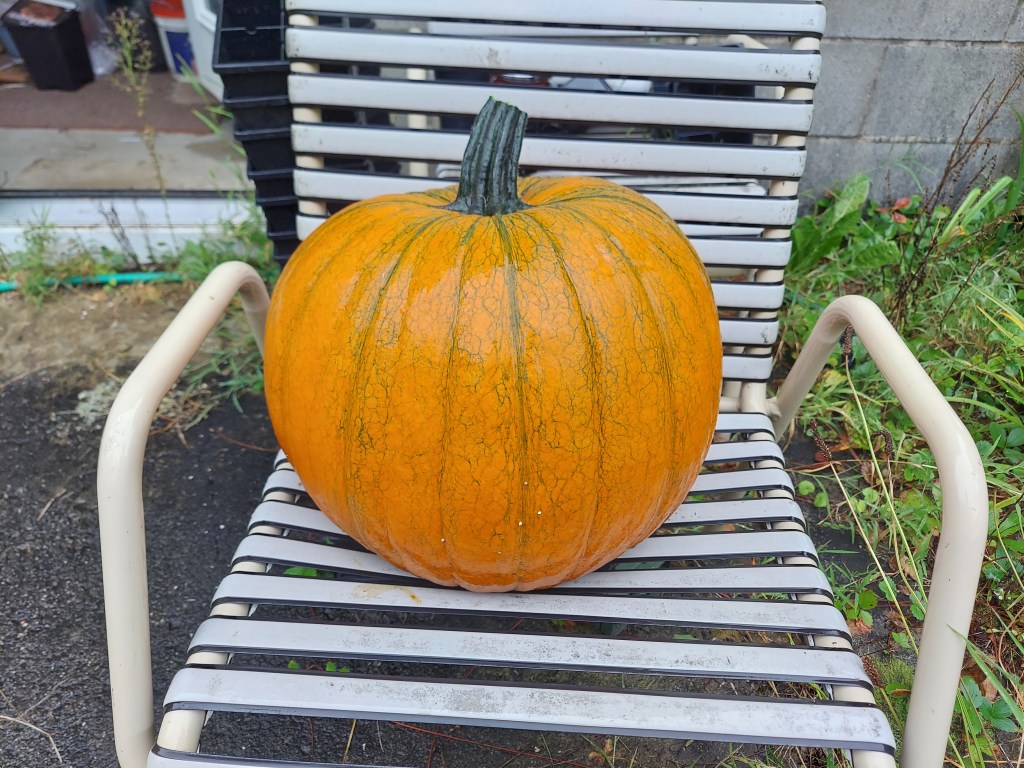
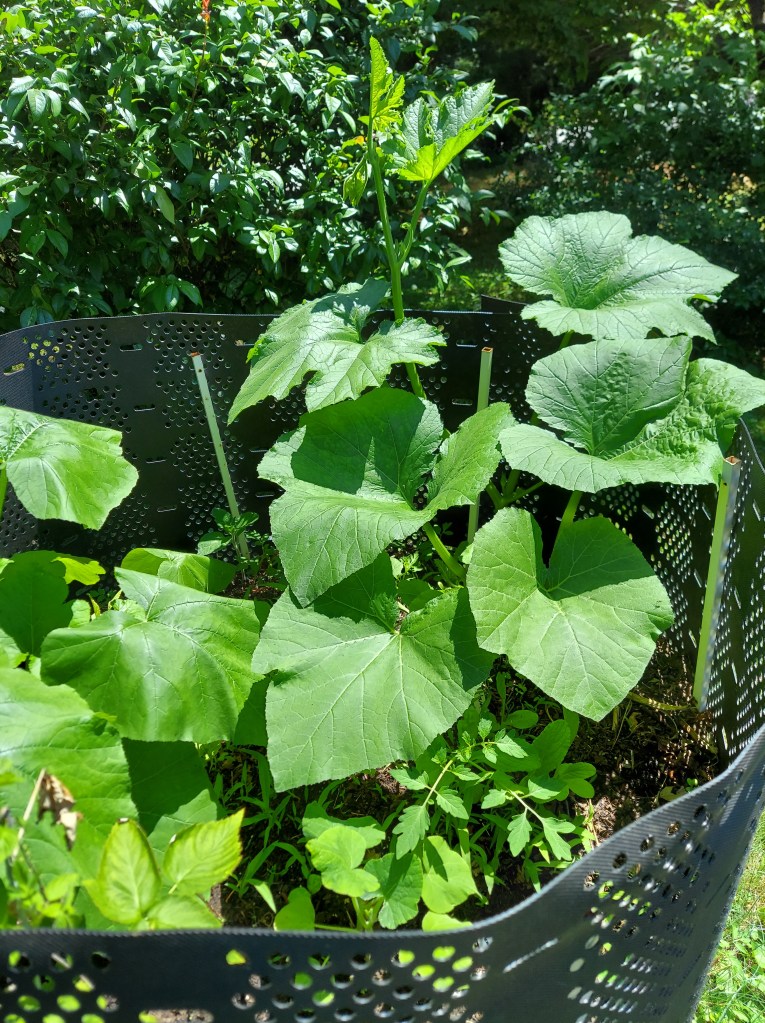
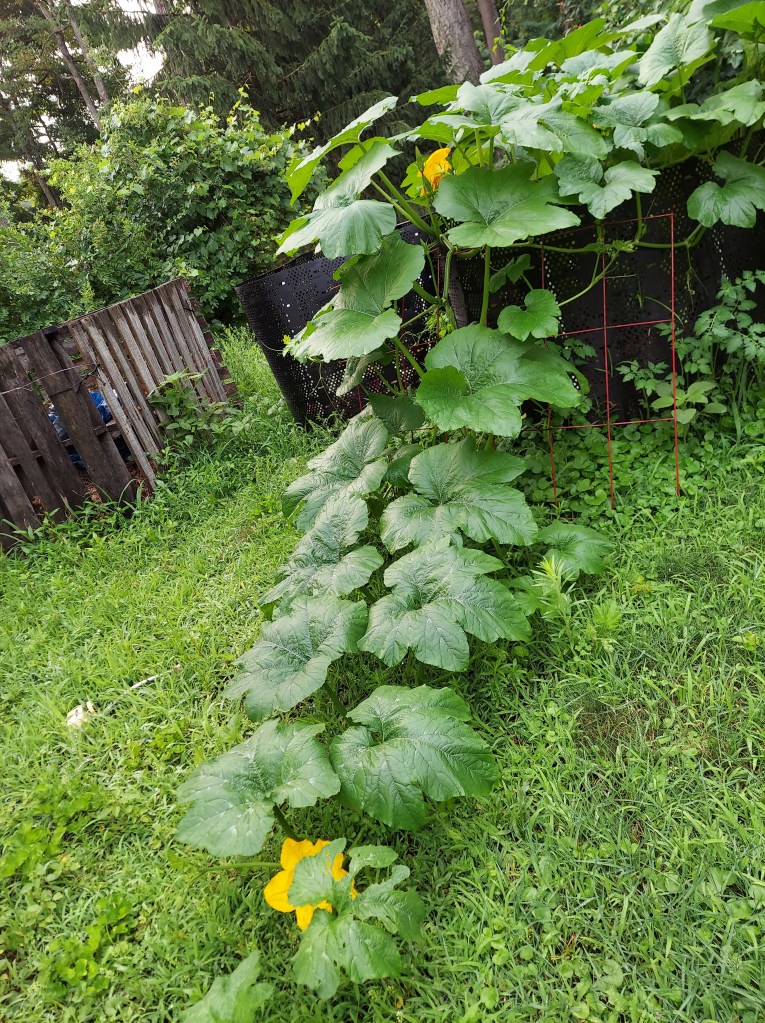
    The first compost pumpkin is growing, and there is a second one further along this same vine!

    The compost pumpkin vines are growing quite well, sprawling all over the lawn.

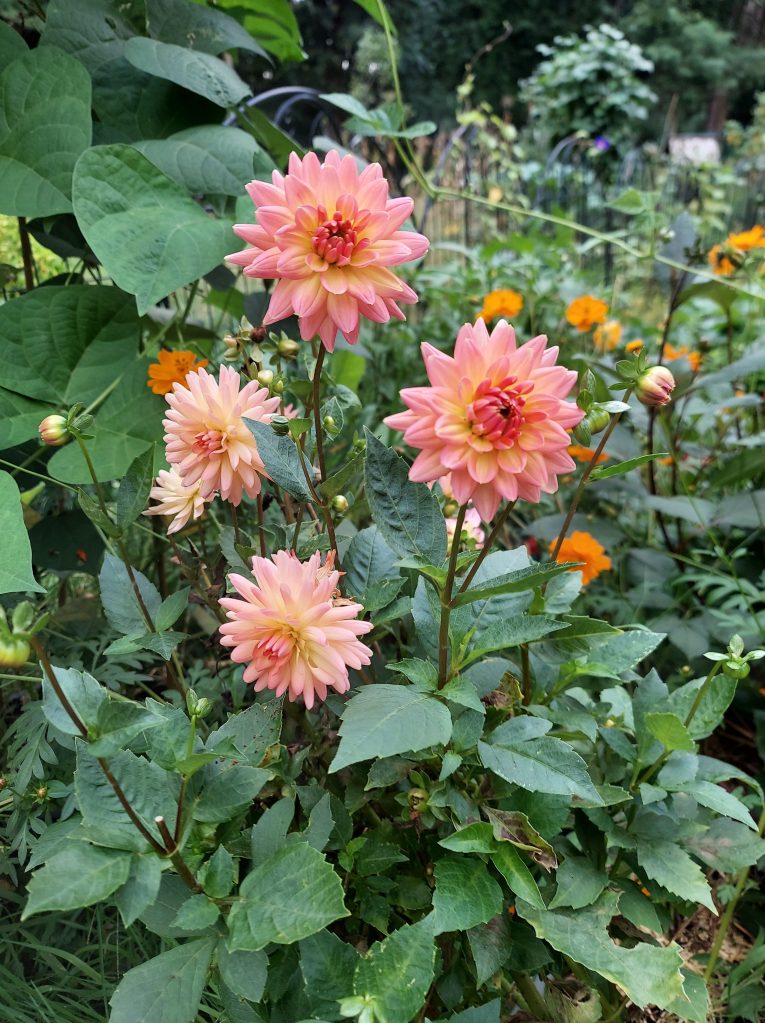
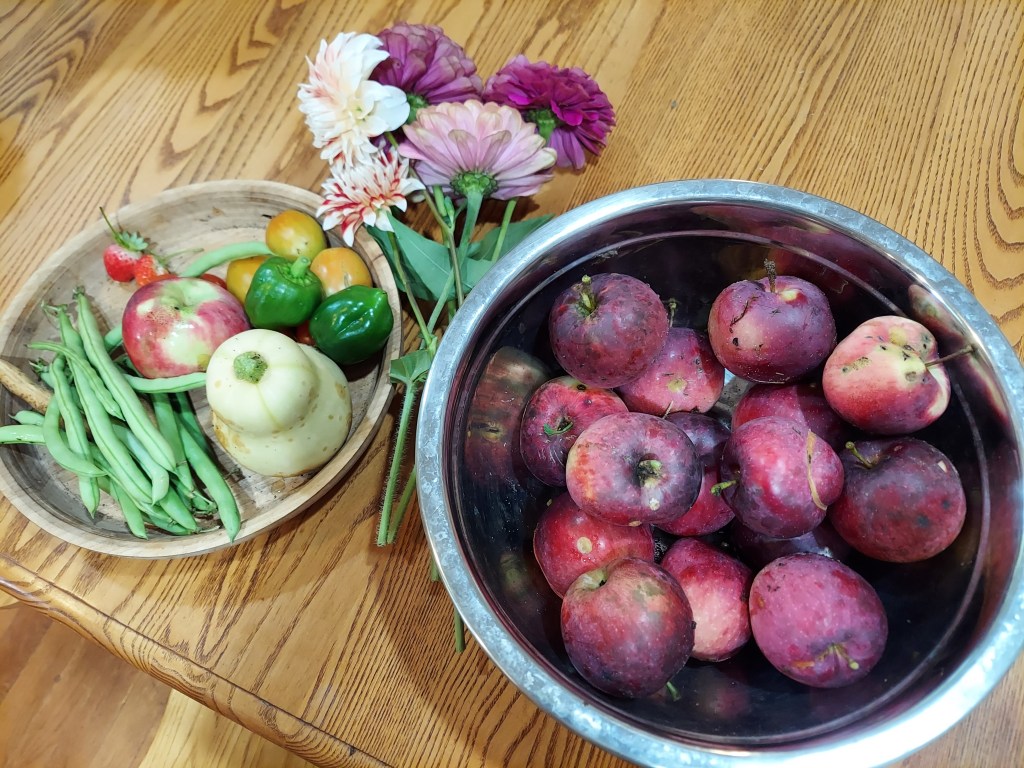
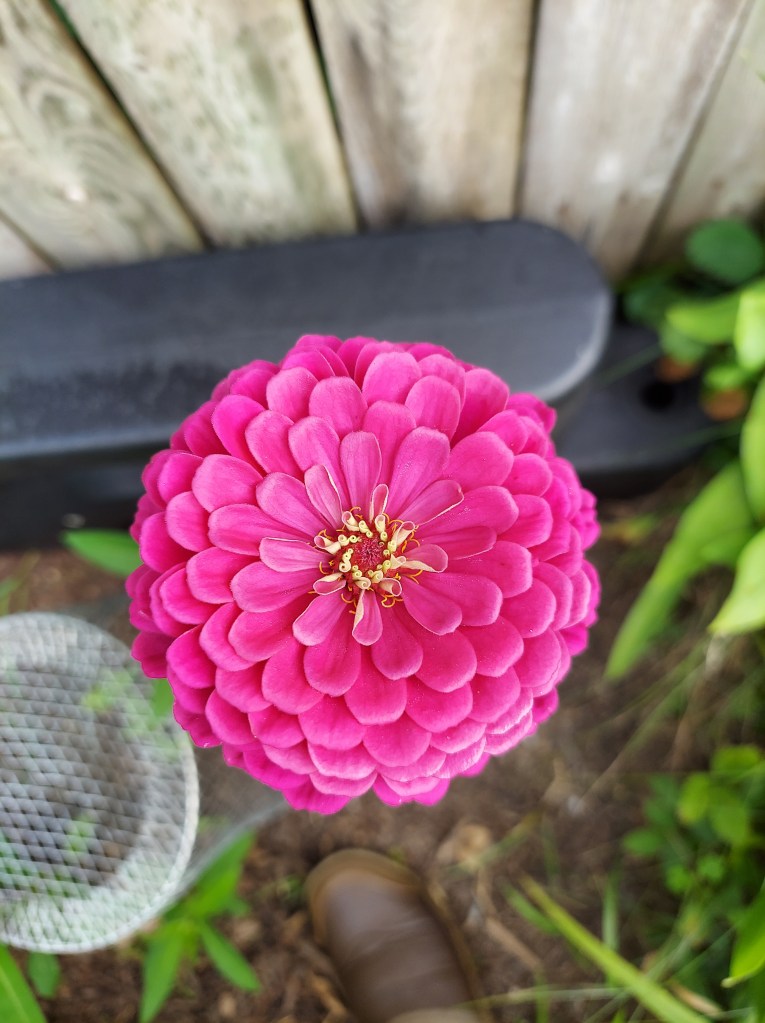
    The flowers are really starting to pop with color. I have calendula, nasturtiums, snapdragons, marigolds, dahlias, zinnias, and salvia. The bees and hummingbirds have been absolutely loving the self-sown borage that I have left throughout the garden.

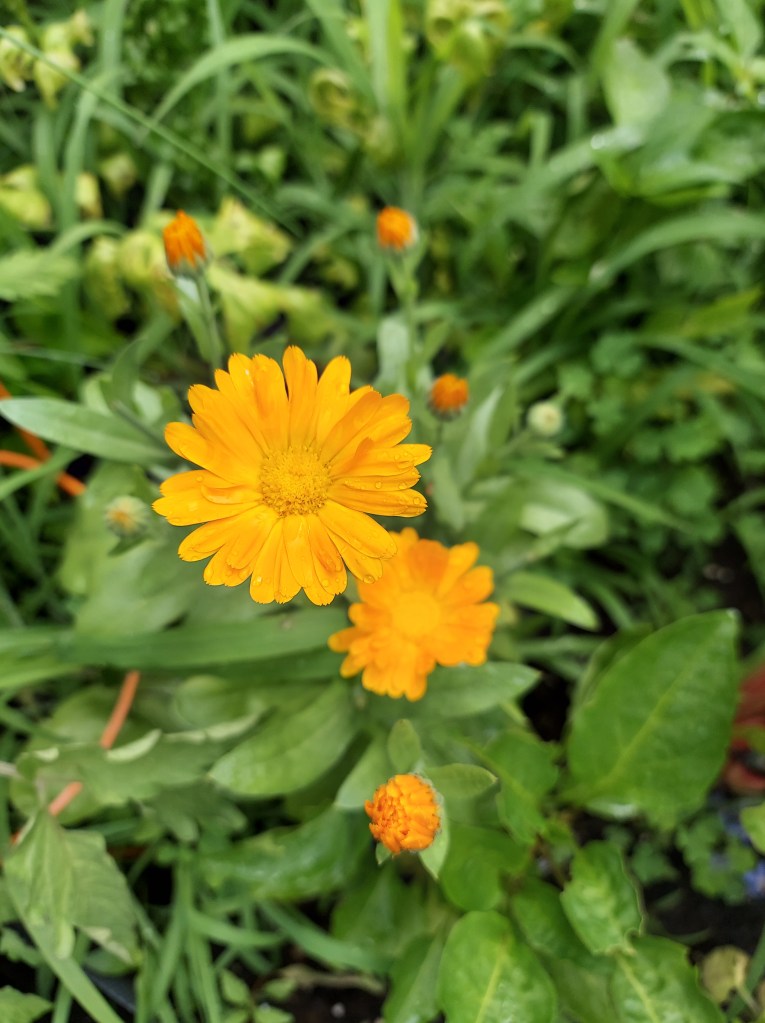
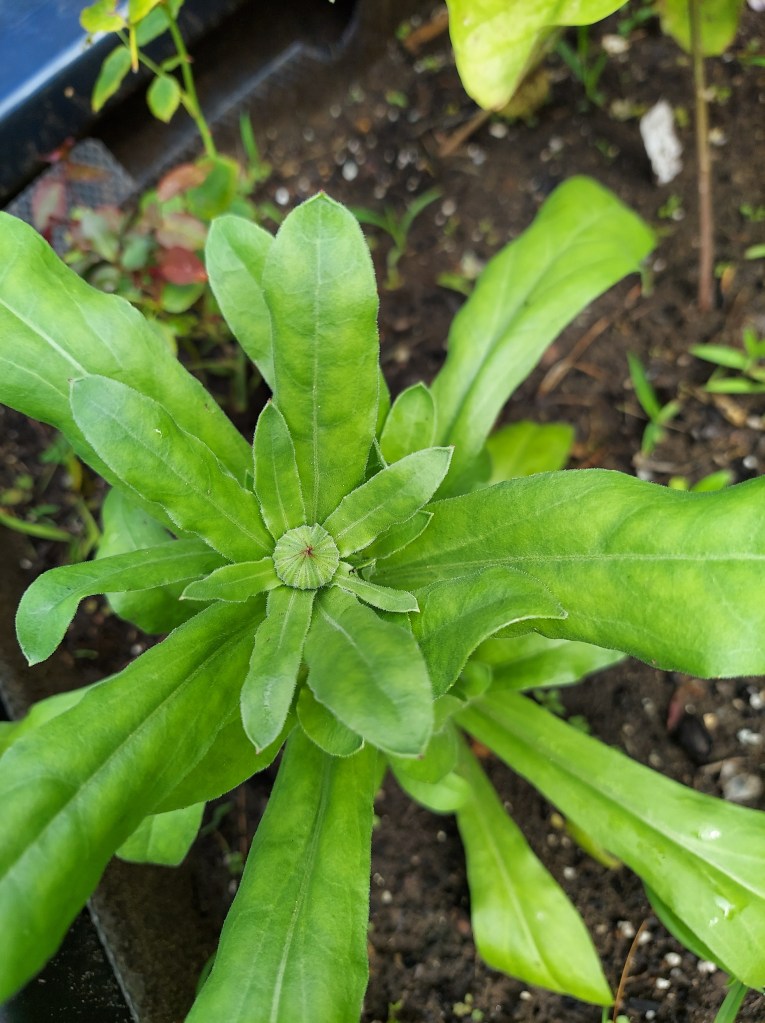
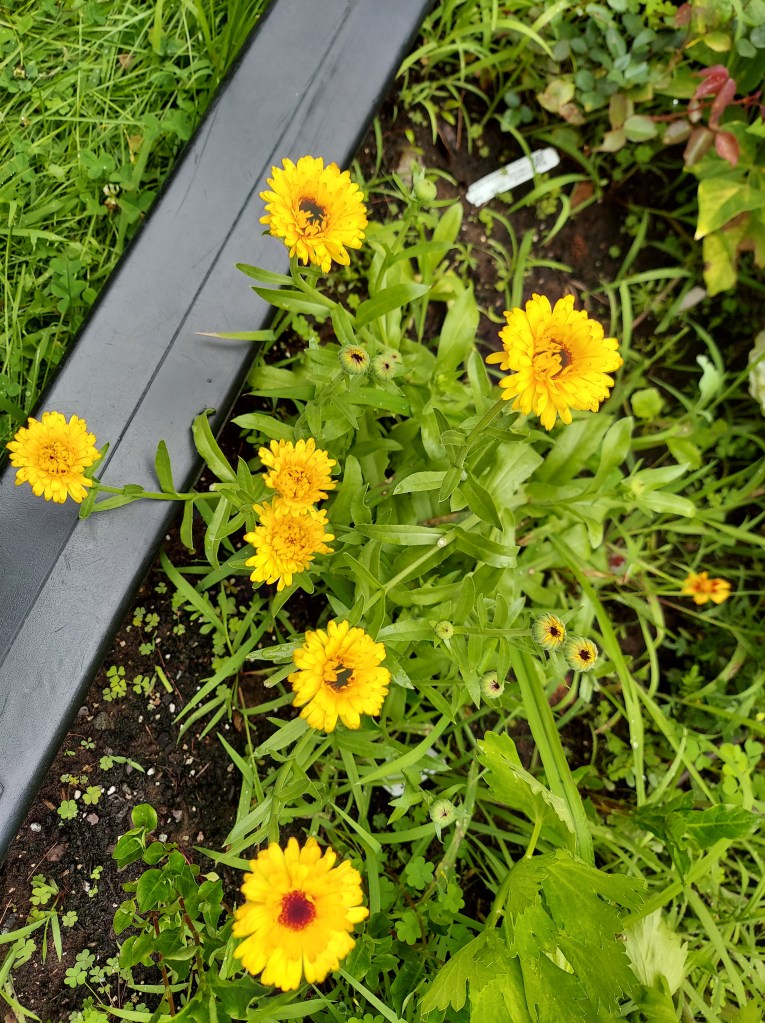
    Bright, sunny calendula plants are scattered throughout the garden.

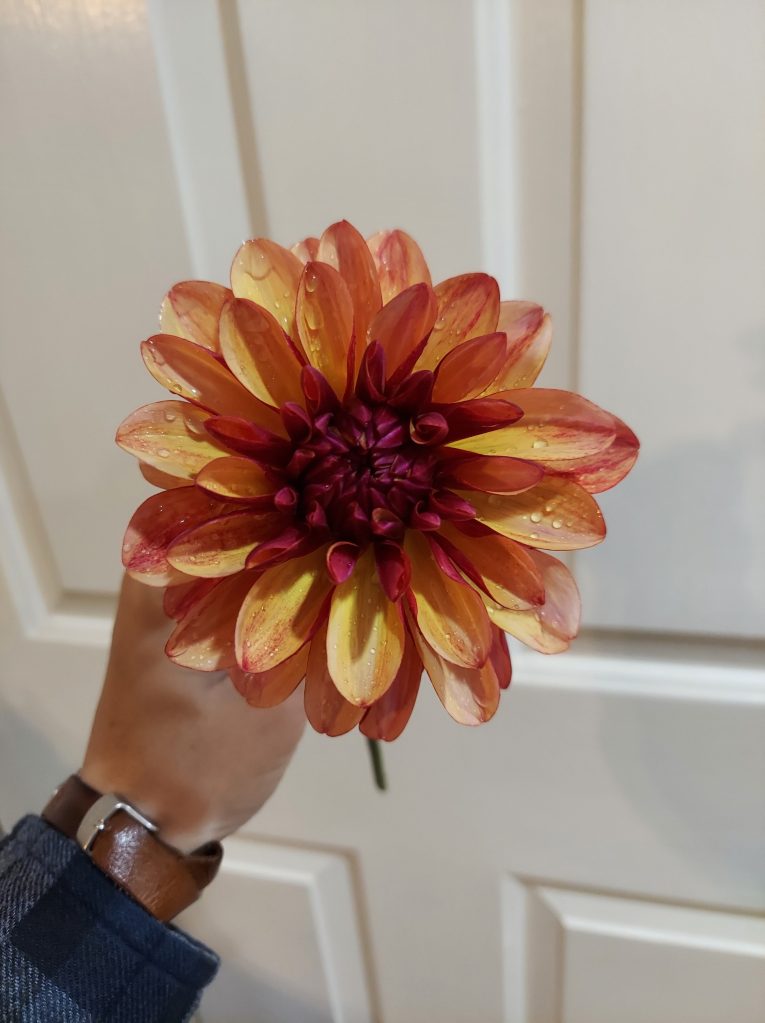
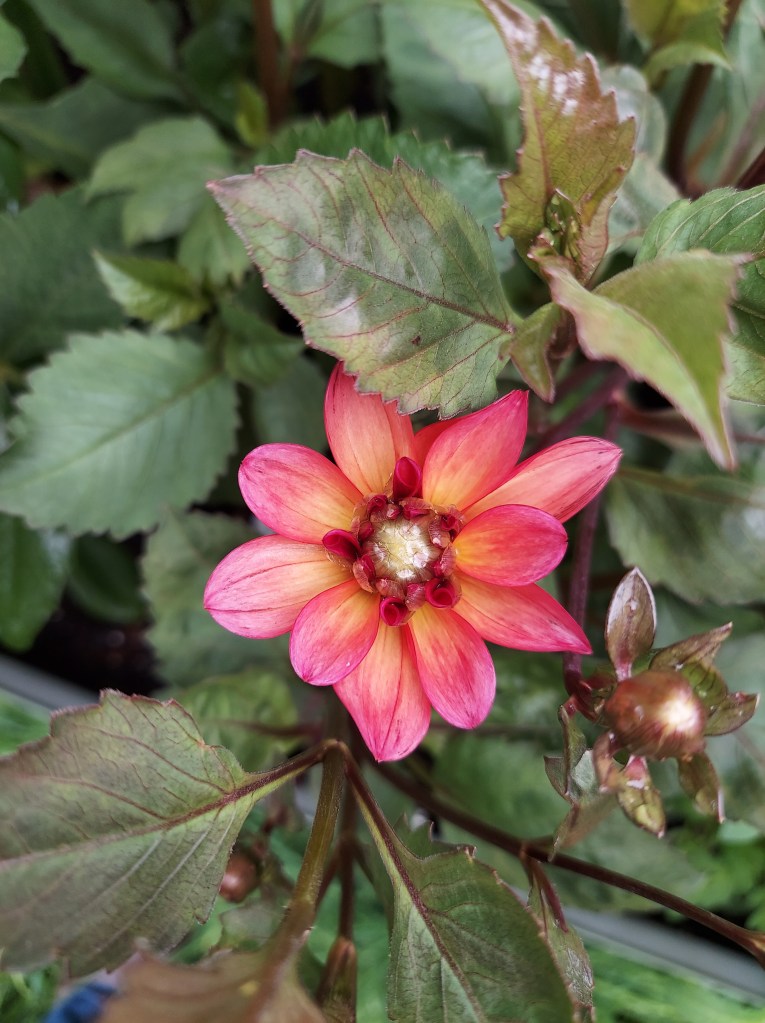
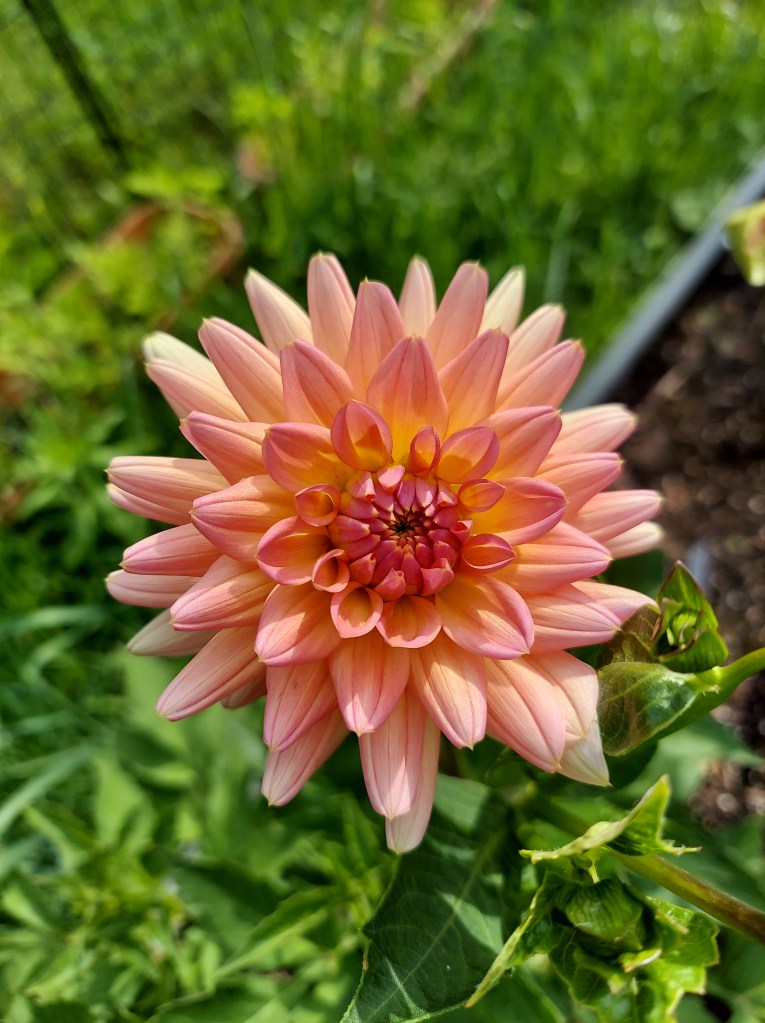
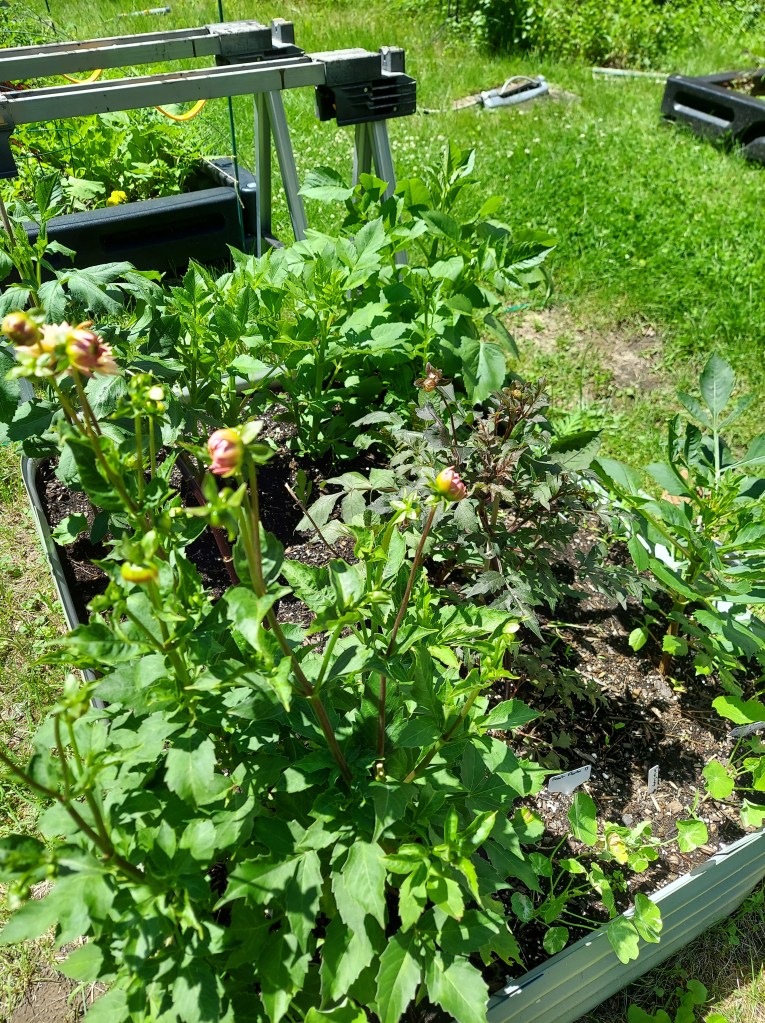
    New dahlia variety, finally opening. Very cool color gradient, at least on the first one. Will have a large white or yellow bloom soon as well from the largest plant.

    2 comments on July Growth
  • June in the Garden

    June 29, 2026
    Overview

    June was a very busy month in the garden. Tons of seedlings needed to be planted out, and the final batch of seeds were sown as well. I’ve been harvesting leafy greens, herbs, a few onions, and towards the end of the month, the garlic scapes.

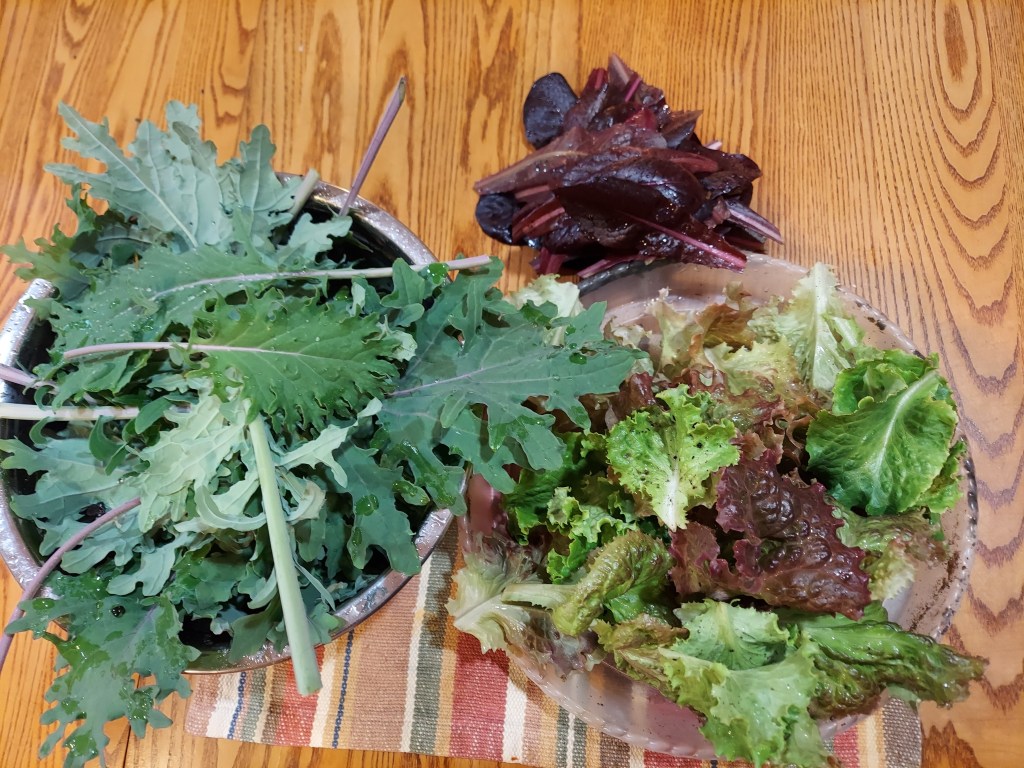
    I harvested several pounds of mixed greens, both kale and lettuce. For the most part the plants have remained pest free. The first round of arugula has now bolted, and I have planted out some swiss chard seedlings.

    My Mary Jane dahlia was the first to produce a flower this season, and right now the plant is absolutely covered in buds. The other plants were slower growing, but have now caught up in height and should be producing flowers soon.

    Cut flower bed filling in nicely. I sowed nasturtium and cosmos along the edges and also added 2 melon seedlings near the far corners.

    The first tomatoes are now forming up in the greenhouse. This is New Yorker, it produces a nice slicer sized tomato.

    The tomato wall in the greenhouse if filling in quite well, many of the plants are currently flowering and setting fruit. I use clips to attach the stems to the bamboo trellis and try to contain their growth a little bit. I don’t prune off the side shoots. I have a couple planters of bush beans, cucumber, and peppers along the front edge of the walkway. They were all extra plants I didn’t have room for in raised beds.

    I planted 3 pumpkin seedlings directly in the recently flipped compost pile and they have really taken off. Nearly ready to drop over the edge, I will need to provide supports for them to wind their way down to the ground level. I did really well with compost pumpkins last year so I’m hoping for the same this year.

    Each plant that I have transplanted out into the garden or greenhouse has received a handful of compost in the planting hole, and a bit of granular fertilizer. So far, this season, I have managed to do better at providing liquid feed as well. I have a kelp/fish emulsion feed that I’ve been using, very low NPK levels, just to give them a slight boost. I’ve used it twice on my potted fig trees as well as on the peppers and tomatoes.

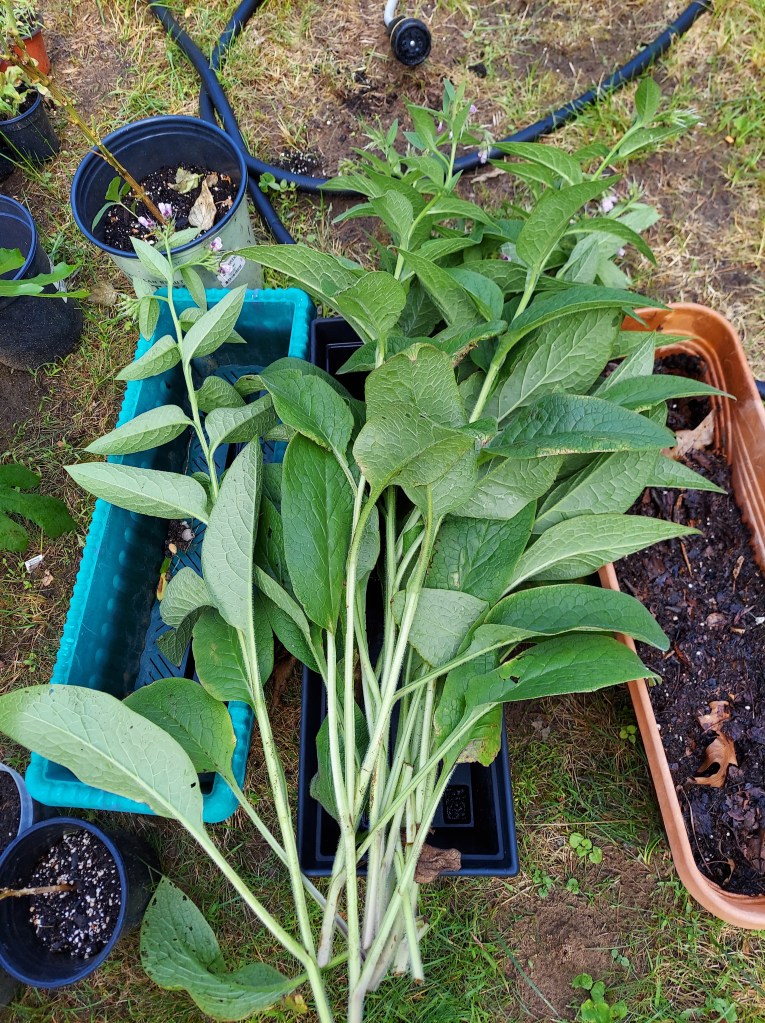
    I’ve also successfully made a comfrey liquid feed and have just chopped back my plants to start another batch. These were half the flowering stems, before I chopped them down into smaller pieces. The plants will grow back and flower again. Comfrey leaves make a nice mulch and are also good ways to accelerate breakdown in a compost bin.

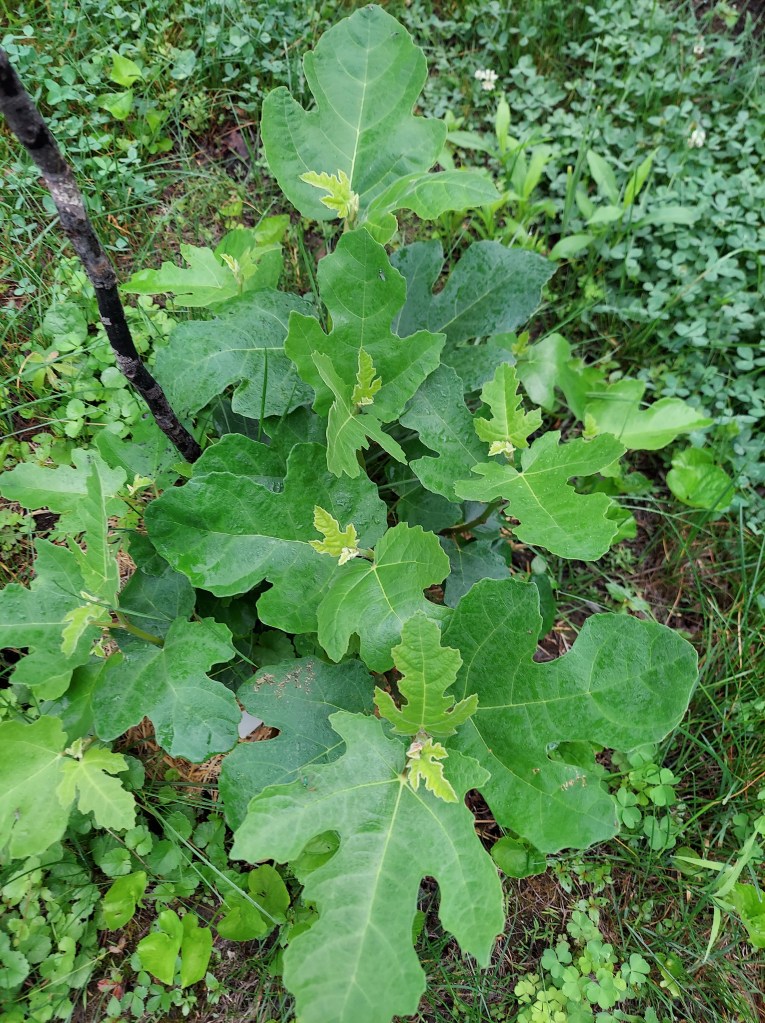
    My in-ground Chicago fig tree survived the winter, and is putting out tons of new branches. Not sure if I will get figs from it, but I’m happy it is alive. Several of the larger potted trees are growing fruit.

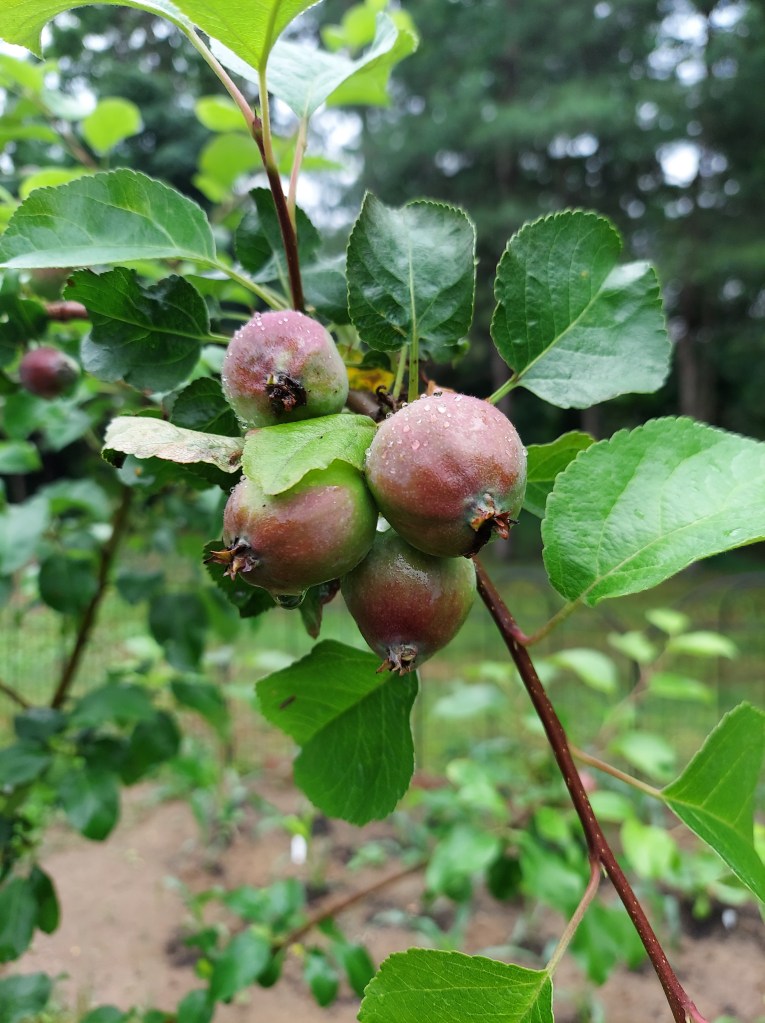
    One of my apple trees is completely covered in small fruit. The tree has already been attacked by caterpillars, and I suspect a deer jumped the fence and nibbled on some of the younger leaves. I will probably need to cover the apples in mesh bags to try and protect them from critters.

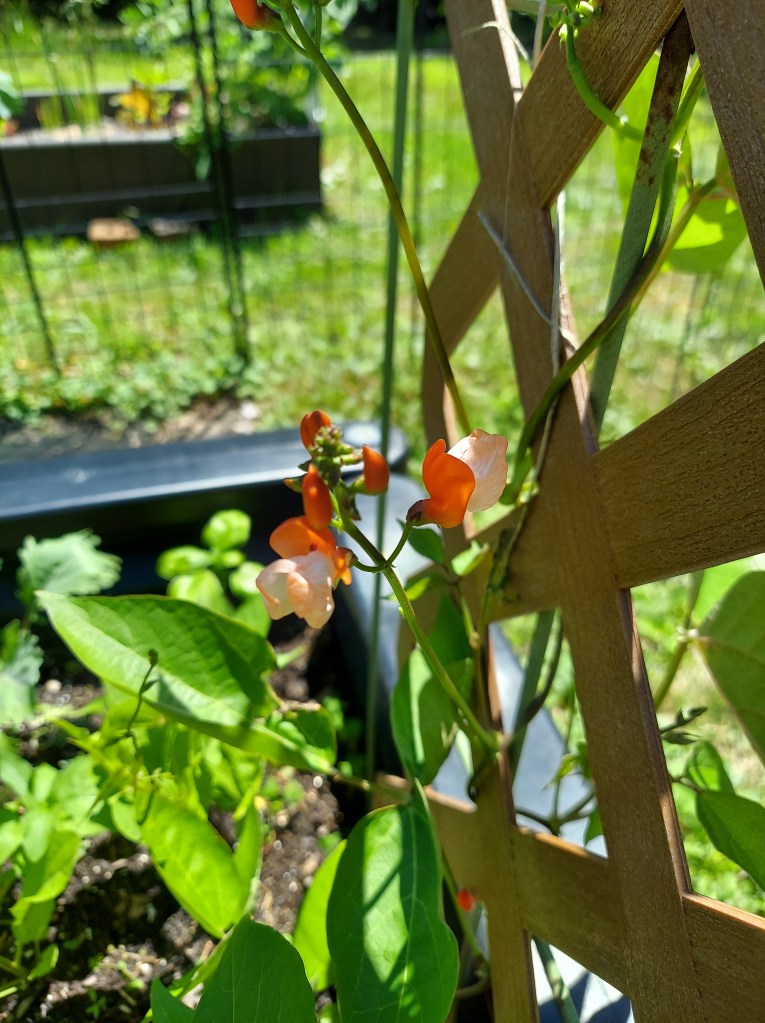
    The first set of pole beans are flowering and should be producing beans soon. Several of the bush varieties are already growing their first round of beans.

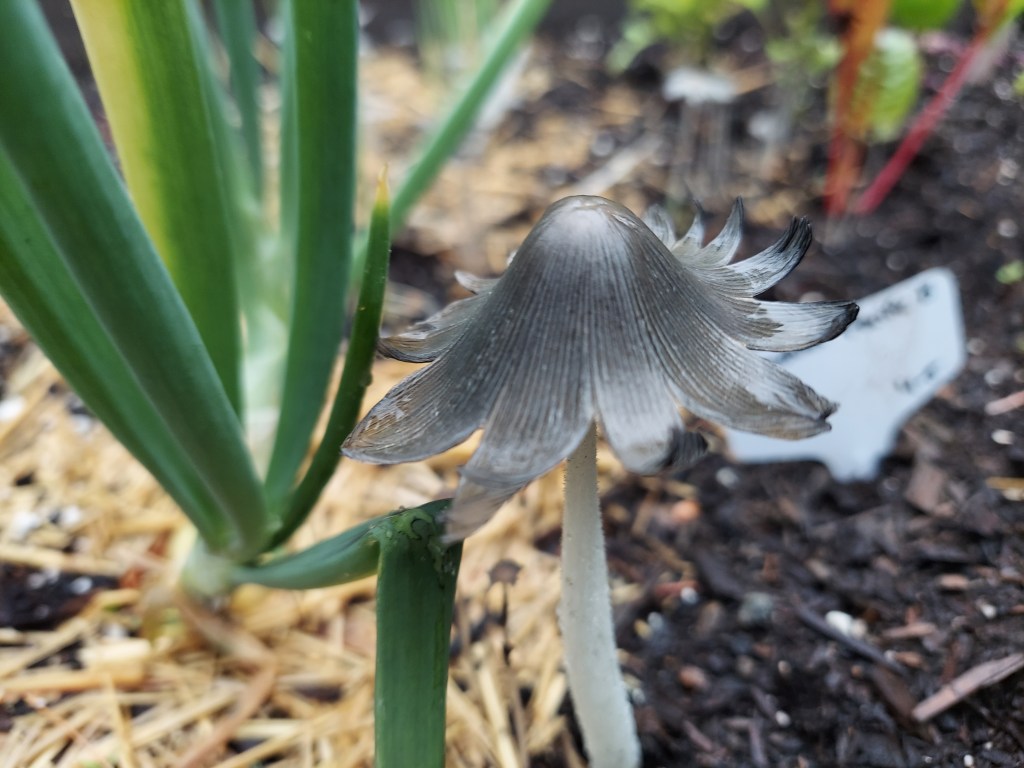
    I’ve spotted a bunch of little mushrooms growing throughout the raised beds, which I have enjoyed. I’ve even sketched a couple of them. When I was transplanting seedlings I disturbed a good number of worms as well, so that is a good sign for the soil. I think after several years of making compost and mulching with straw and fall leaves has led to improvements in our sandy soil.

    The outdoor cucumbers are starting to climb their trellis towards the deck step, and the ones in the greenhouse are at a similar size.

    I grew a bunch of calendula from seed, and the first couple are almost ready to flower.

    I harvested my first snacking pepper from the greenhouse in mid-June, which was really early for me. The plants throughout the garden are all currently covered with flowers and small peppers are forming.

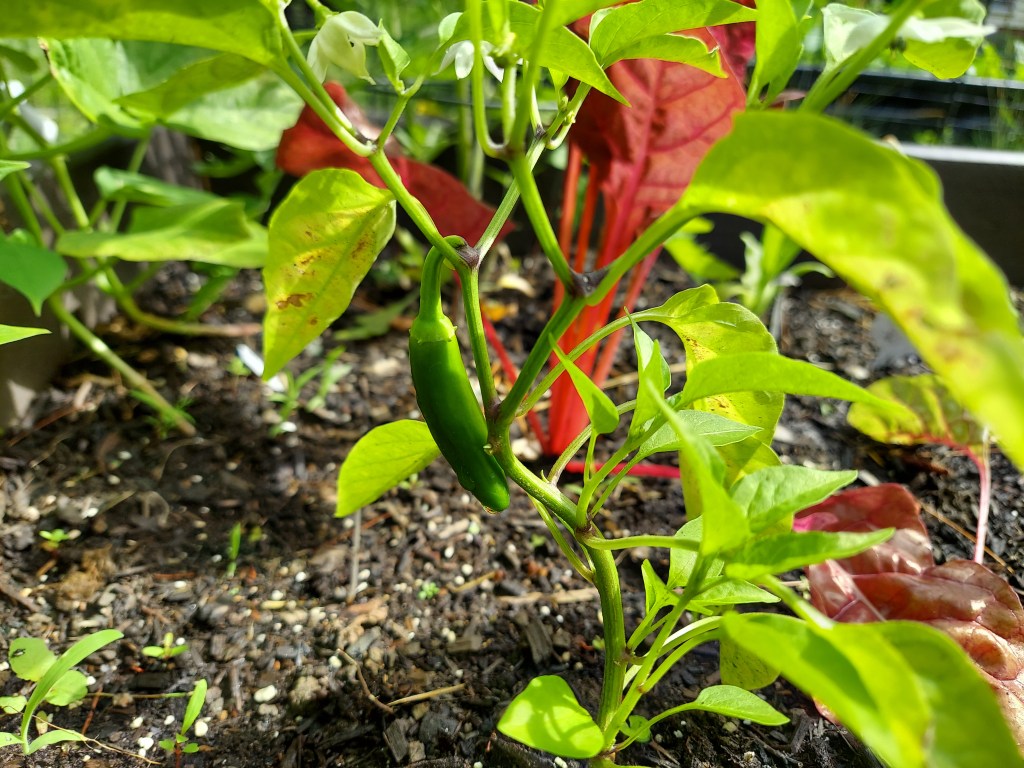
    Jalapeno pepper coming along nicely, with some rainbow swiss chard in the background.

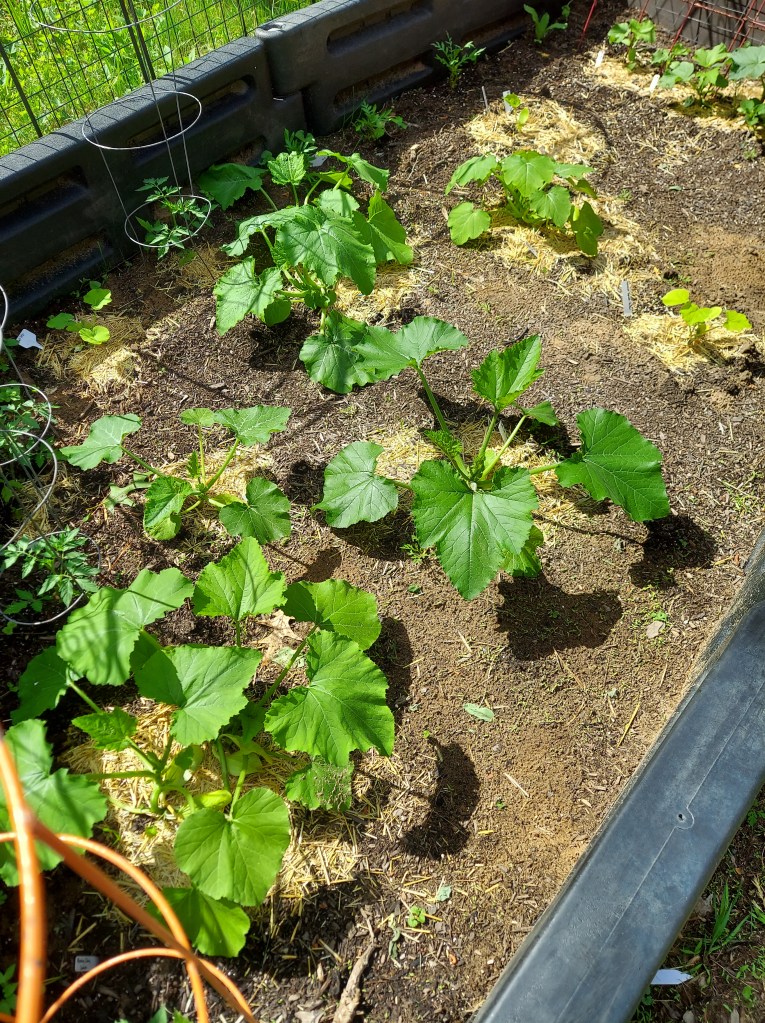
    The summer squash patch is also doing well, almost ready to flower. I have a few tomatoes along the side edge and a tall variety of marigold along the back edge.

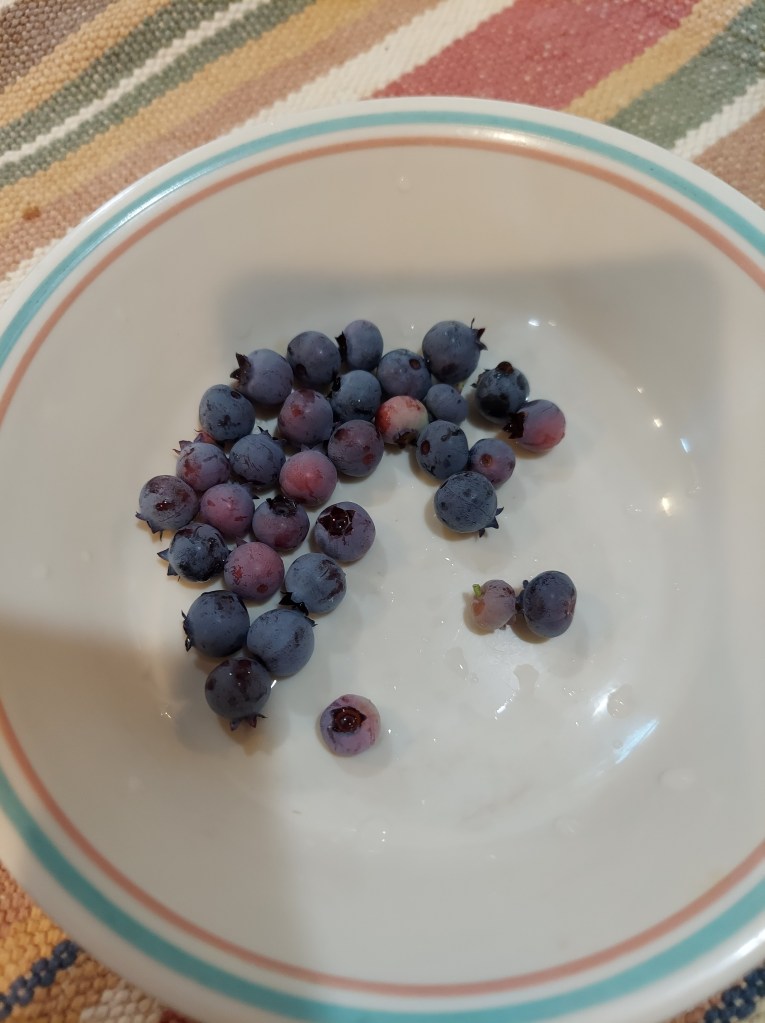
    Harvested my first handful of small blueberries this week. The bushes have not been weeded, and are a bit of a mess, but they are still producing. Maybe I will be able to get ahead of weeding them for next year, but for now I’m hunting around for the hidden berries.

    I have squash family plants everywhere, among the corn, along the fence, in the greenhouse, and in the compost. I’m really hoping to have a successful year, since last year I only got pumpkins. I’m trying acorn, butternut, honey nut, black futsu, honeydew, cantaloupe, and sugar pie pumpkin. Looking forward to a lot of harvests and poundage coming in over the next two months.

    I sowed some more seeds for fall crops. I direct sowed carrots, arugula, and lettuce and started indigo, broccoli, and cabbage in seed cells in the greenhouse. The garlic bed will be cleared out in a few weeks so that will open up space for cooler weather crops. The corn is over waist high, and a few stalks are starting to form silk and tassels. My potatoes in the grow bags are starting to yellow, so I will probably be able to harvest them in a couple weeks as well. All in all, it is shaping up to be a good gardening season.

    No comments on June in the Garden
  • Late May in the Garden

    June 8, 2026
    Figs, Overview

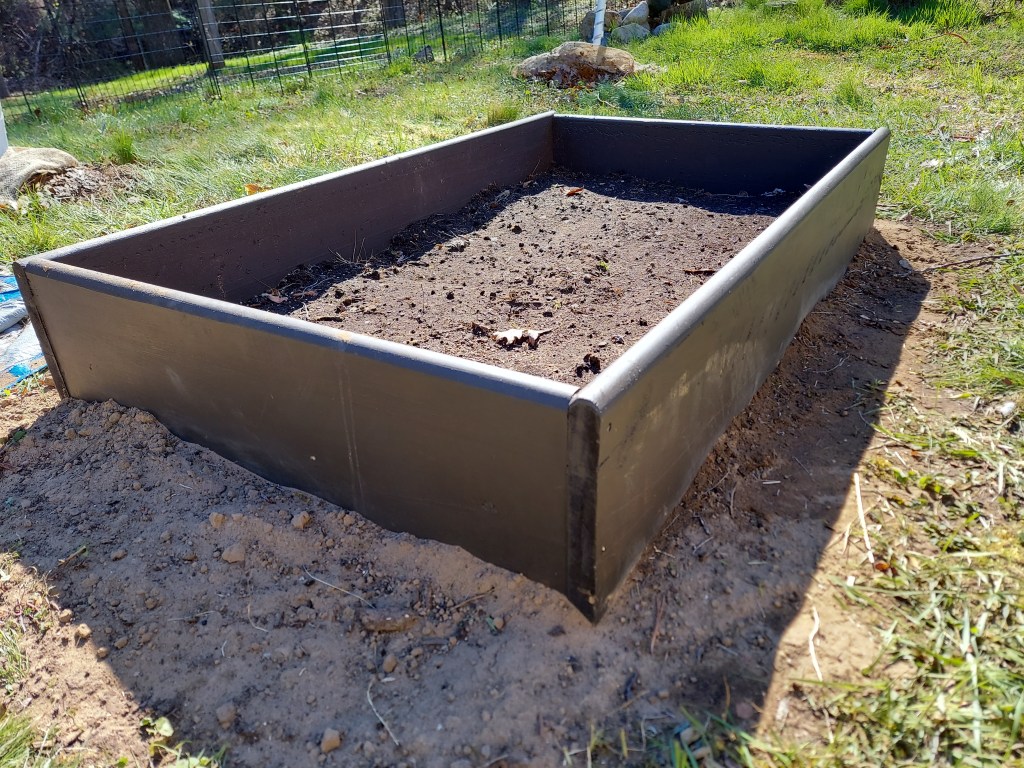
    May was a very busy month in the garden. We assembled a new metal raised bed, replaced a rotting wooden bed, and spent an entire day digging up and putting hardware cloth beneath the longest single growing area in the garden. Many plants were transplanted out to both the greenhouse and the beds, and I also sowed a bunch of seeds.

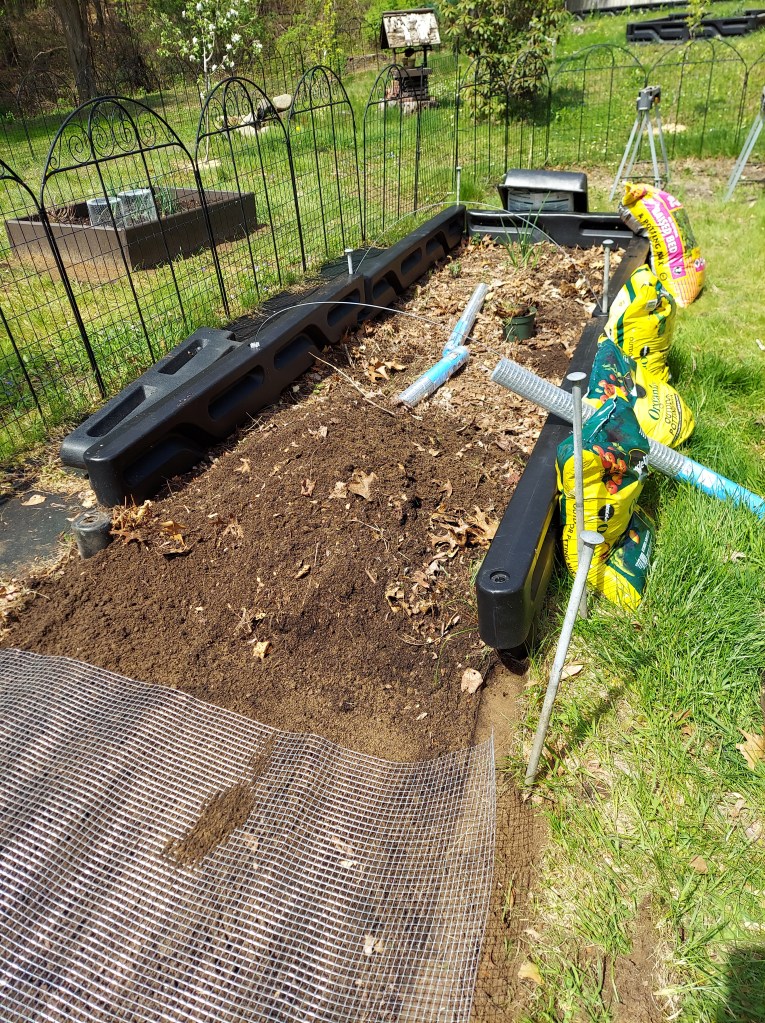
    We’ve been having vole problems for all the years that we’ve been gardening. I live in a very sandy area, so there is very good drainage, but also makes it very easy for voles to tunnel. Towards the end of last season I was losing plants left and right, one whole section of a different bed was dug under and plants died because their roots had been eaten. In May we completely dug up this section and added metal hardware cloth underneath.

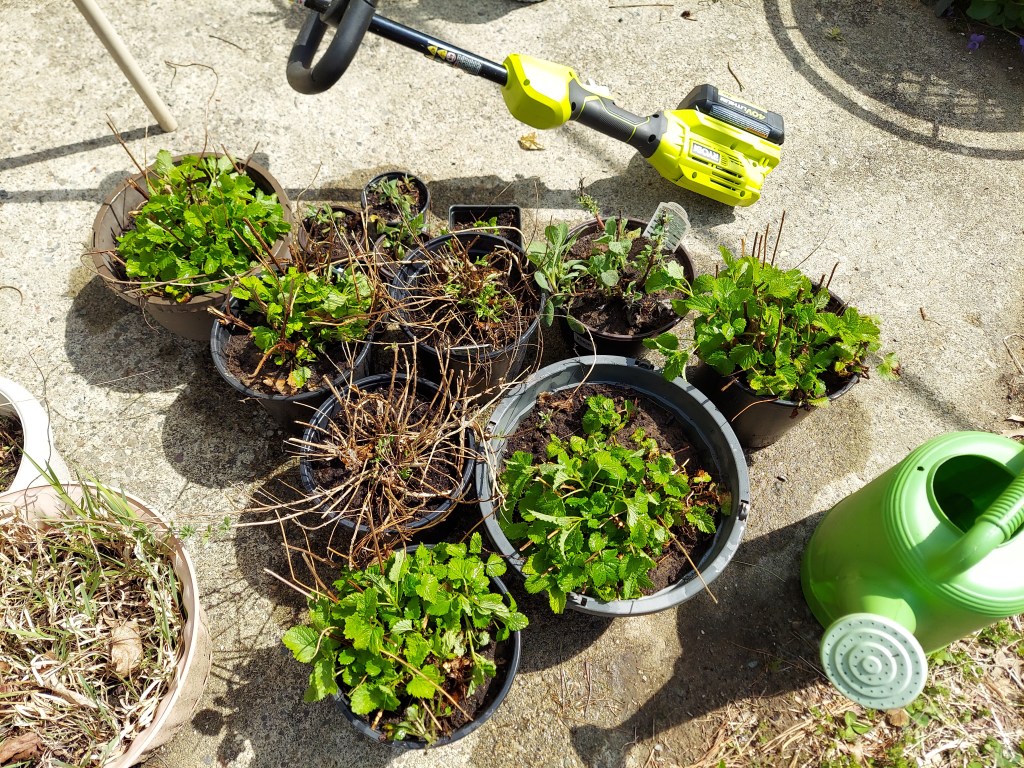
    Before we began, I dug up and potted a bunch of perennial herbs that I wanted to save to replant into the bed. It was mostly lemon balm along with a couple of lavender, sage, and forget-me-nots. They all lived in pots for a couple of days before I decided on where I wanted to replant them. We protected the bed section by section, throwing the dirt from one to the next. When finished, we topped it off with several bags of new raised bed soil. As I planted into the bed each plant got a handful of homemade compost and a sprinkling of granular fertilizer in the hole.

    The big, long bed is now mostly filled in with a variety of plants including peppers, tomatoes, climbing beans, leeks, the perennials, flowers, chard, and kale. Took me several days to get everything in. I used shade cloth over part of the bed because we had a few very warm days and I didn’t want the seedlings to get burnt.

    The dahlia bed is all planted out, from tubers I overwintered in the garage and then potted up in late April. I had about a 50% survival rate from the ones I dug up in the fall. There are 8 plants in the bed. I also direct sowed some nasturtiums and cosmos around the edge.

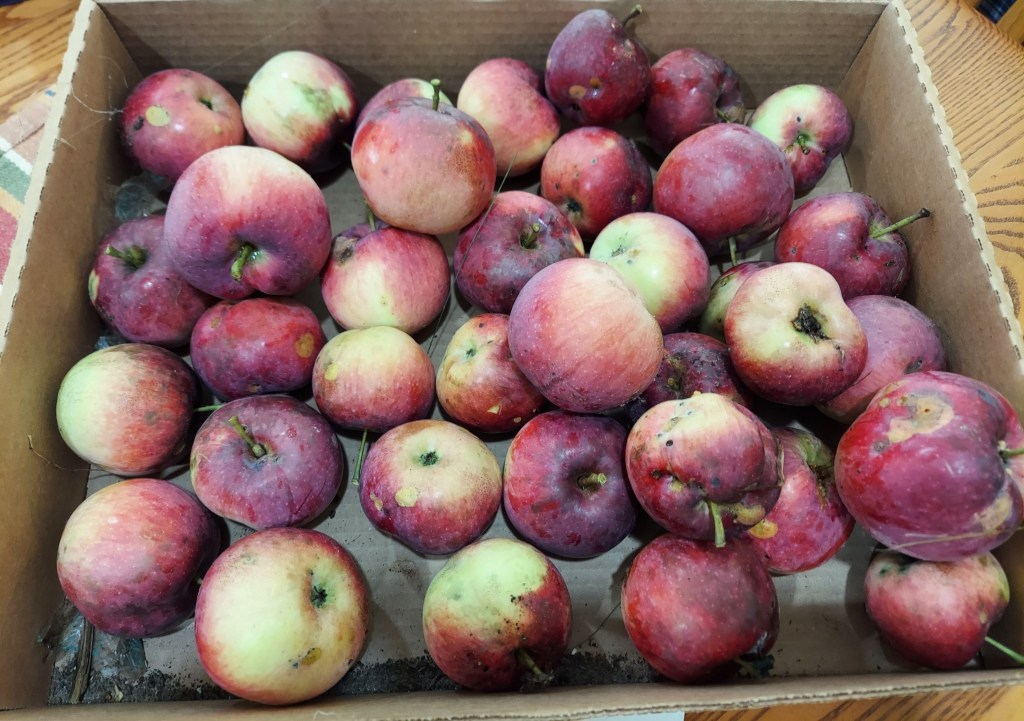
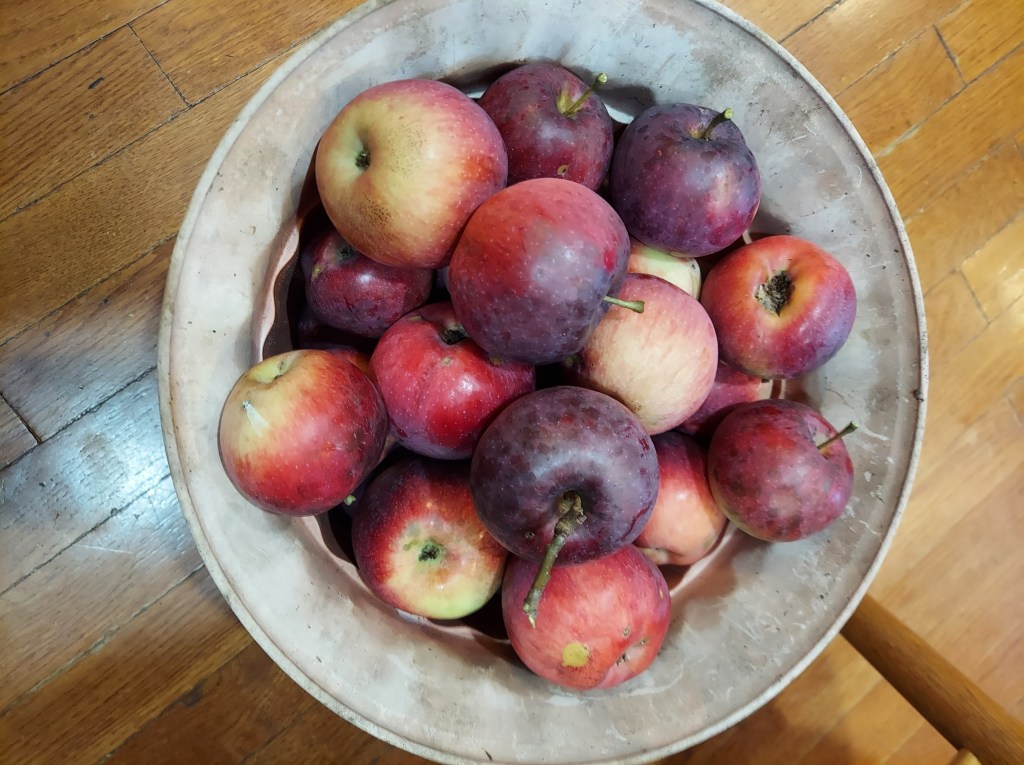
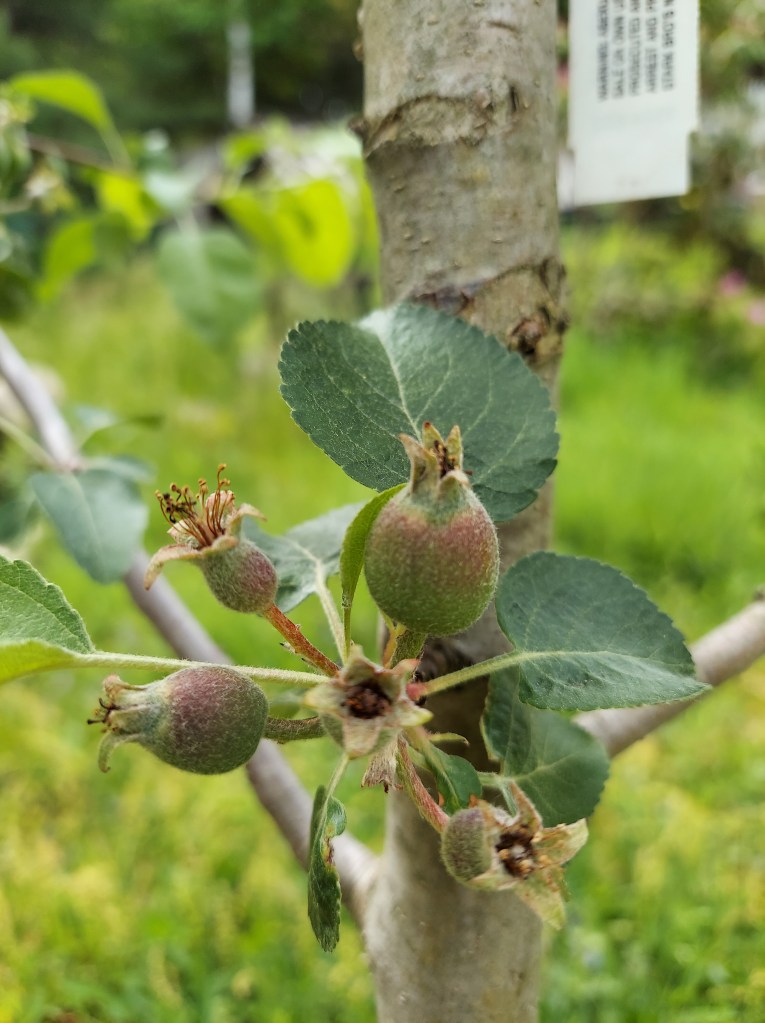
    Two of the apple trees (Liberty and Cortland) are covered in tiny fruit. Sadly, no pears this year. I thinned the apples down to only one or two per cluster and will probably thin again in a month to the largest 5 or 6 per tree. These are young trees and I don’t want to get a bunch of small apples with minimal flavor. Last year I got 3 apples off this tree so I’m aiming for double that this year.

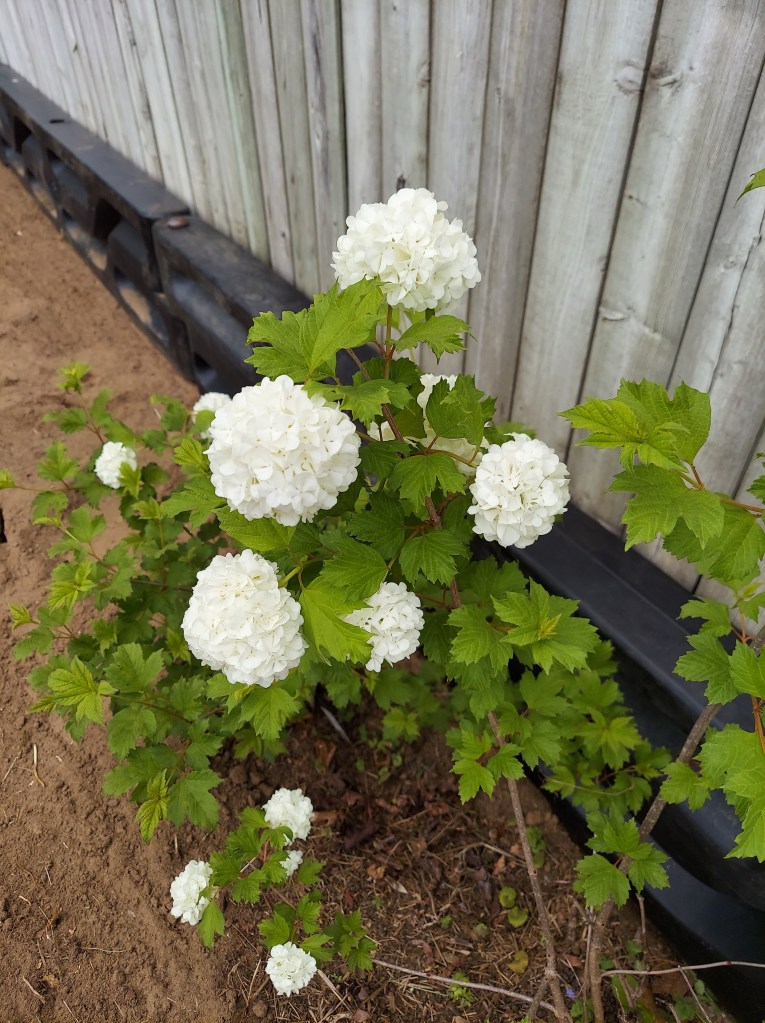
    Early season flowers, these snowball bushes (viburnum) were 25 cents at the end of the season. All three survived and are currently blooming.

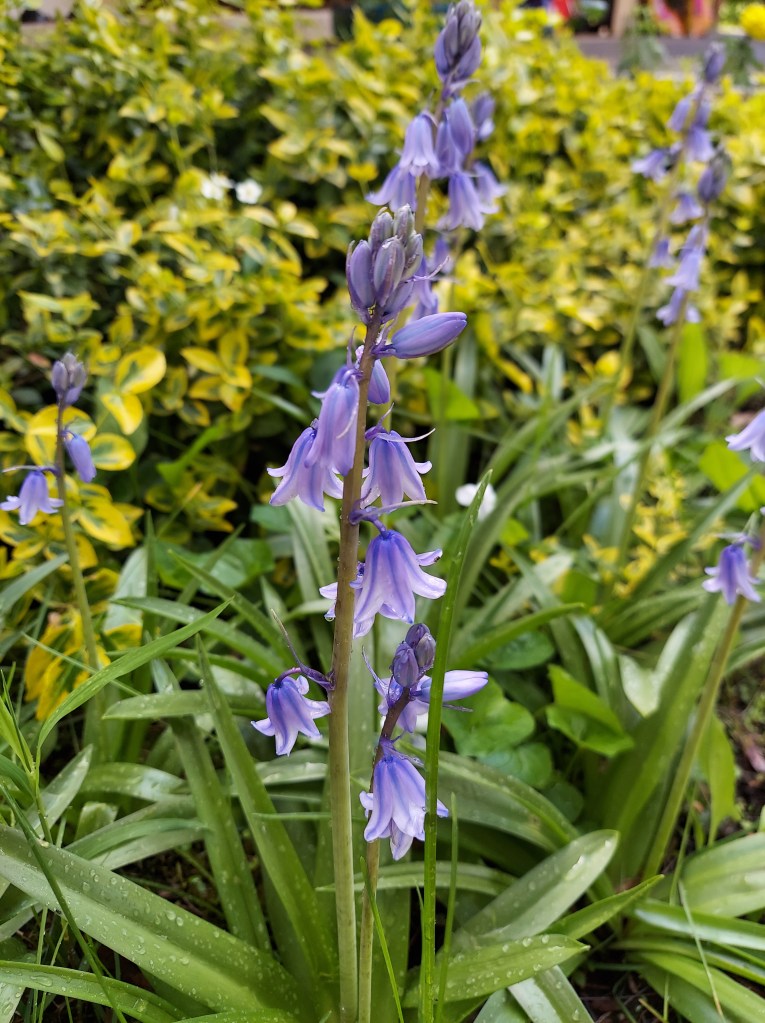
    The wood hyacinths were very pretty at the end of May, all of them were blooming in the front of the house.

    The figs have all been moved out of the basement and are on the back patio. The sun shade has been re-built so that they can adjust to the outdoors. At least two of the trees are working on figs, which is great. A couple of the leggier trees received a trim in the hopes of bringing them back into a more compact size.

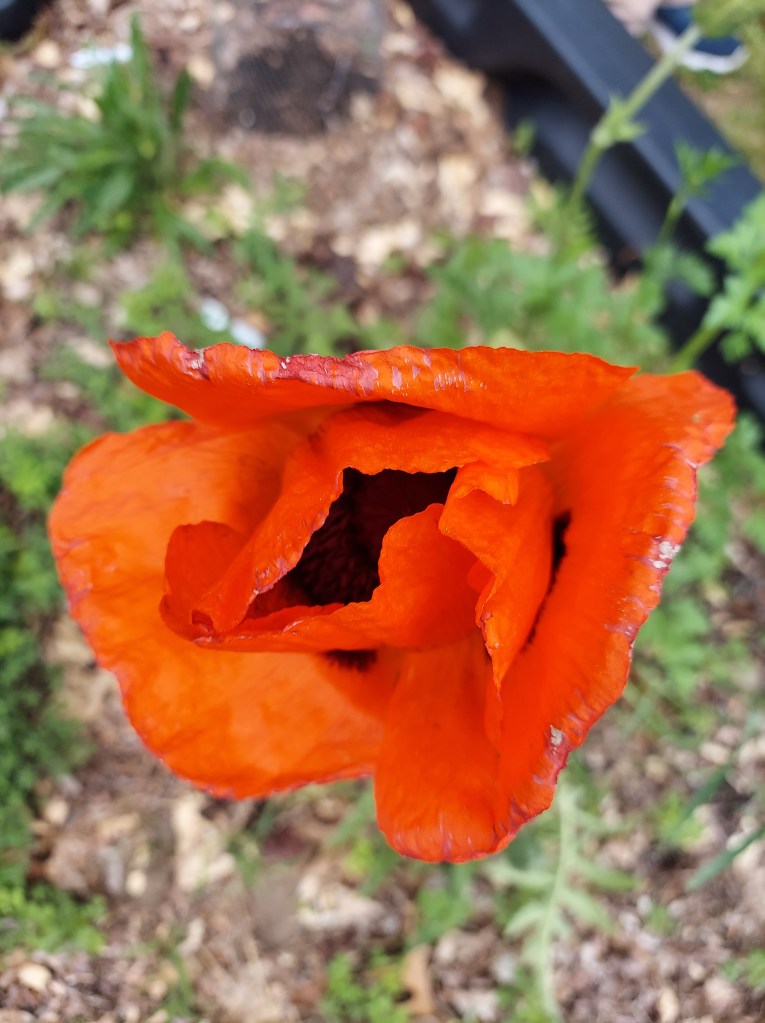
    My largest poppy plant is also blooming. It’s working on 5 different flower heads, 2 of which have opened. Not sure if the other ones will flower this year, but they have all grown larger than last year.

    The grow bag potatoes are coming along quite well, and the first set of flowers have appeared. Can’t wait to harvest some home grow spuds. The in-ground growing space in the greenhouse is pretty full. My earliest tomatoes and peppers are there, along with a few flowers and herbs. I’ve spotted my first jalapeno pepper and the first tomato flowers are developing on the largest plant.

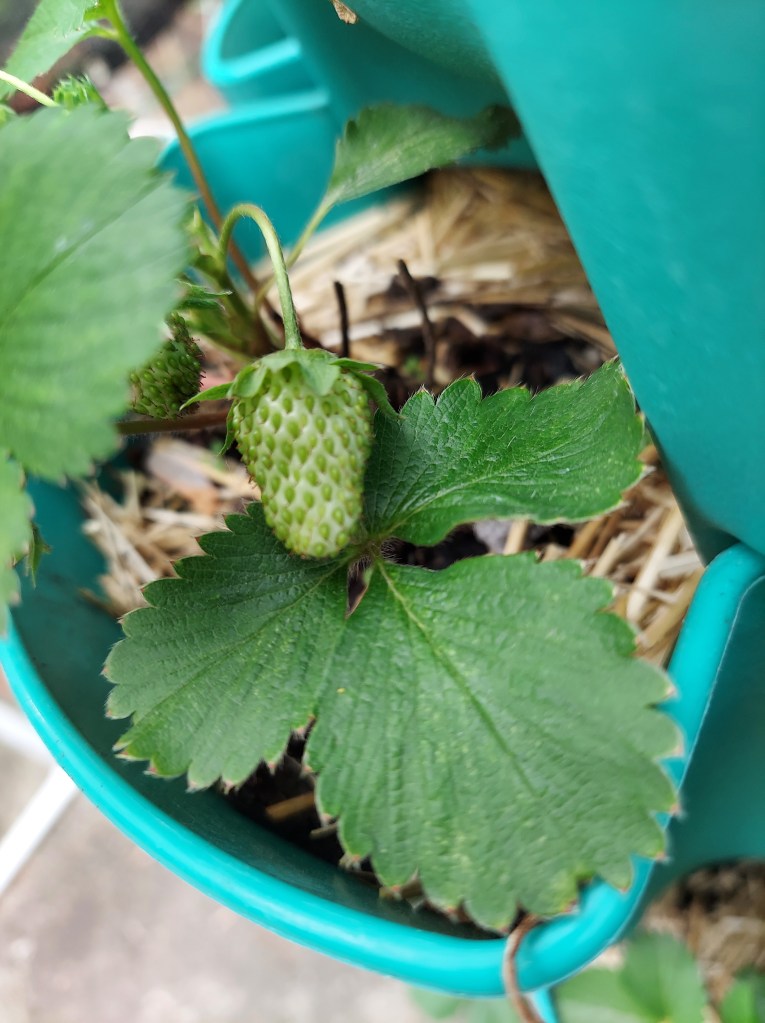
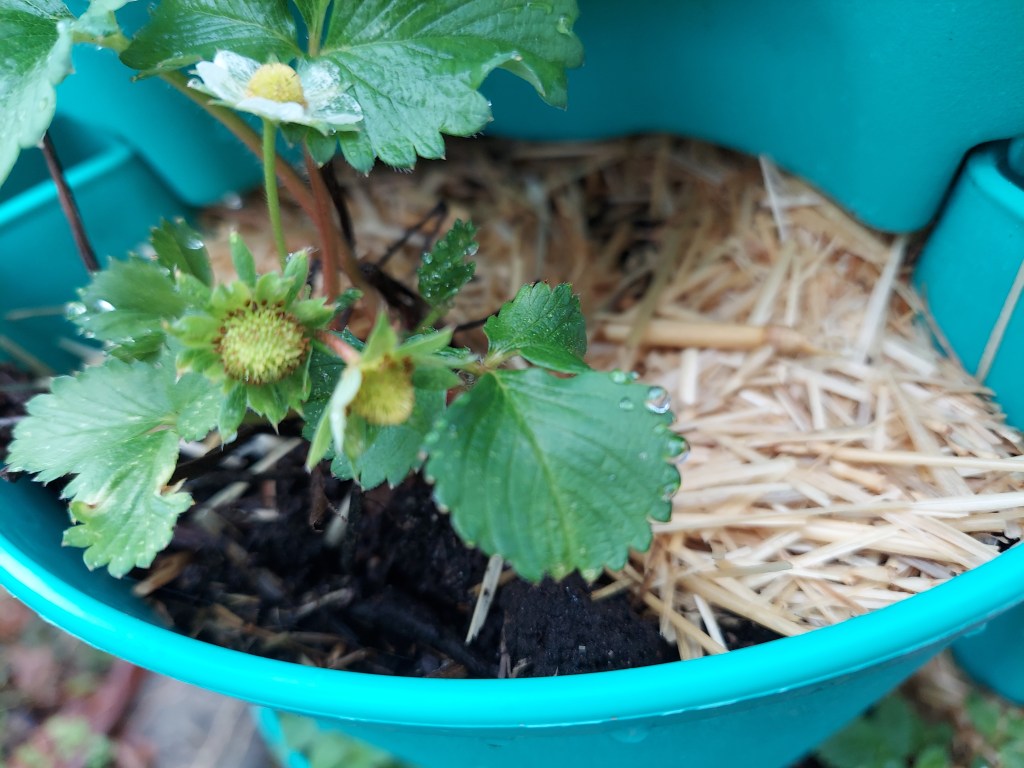
    The first tiny strawberries are growing on the plants in my Greenstalk tower. It’s only been outside for a few weeks, and I had to replace several plants that didn’t survive the winter. The next batch of fruit should be larger, now that the plants have settled in.

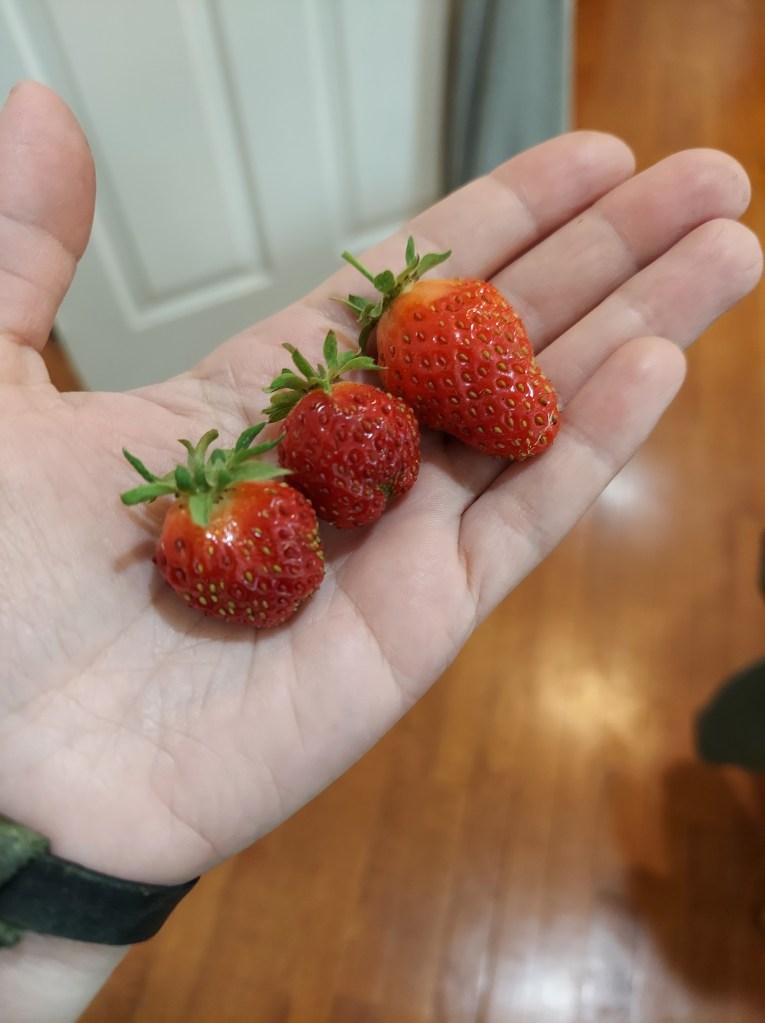
    These were the first ones to ripen, tiny but very sweet. Looking forward to more to come over the summer.

    I haven’t noticed as many self-sown plants as some years, but we had a very cold winter. There are a couple of random chamomile, when normally one whole bed is filled with them early on in the season. I did get several borage, and I have transplanted a few of them to other spots. Borage is great for the pollinators, I have seeds but rarely need to start it that way since it makes prolific flowers and drops seeds on its own.

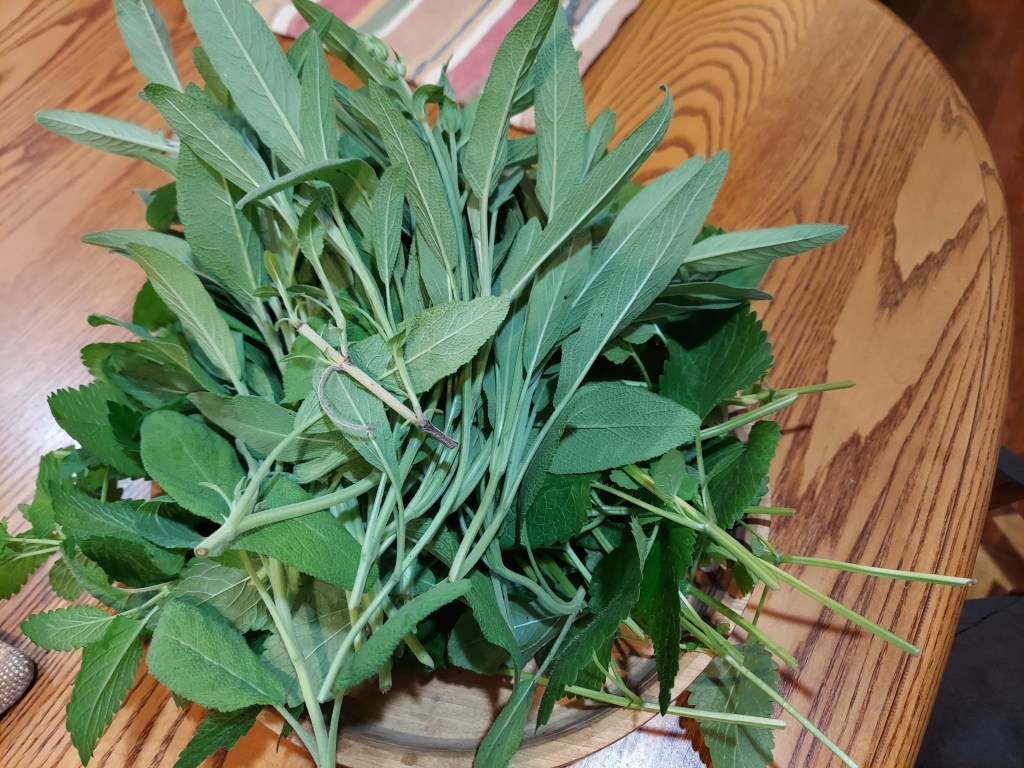
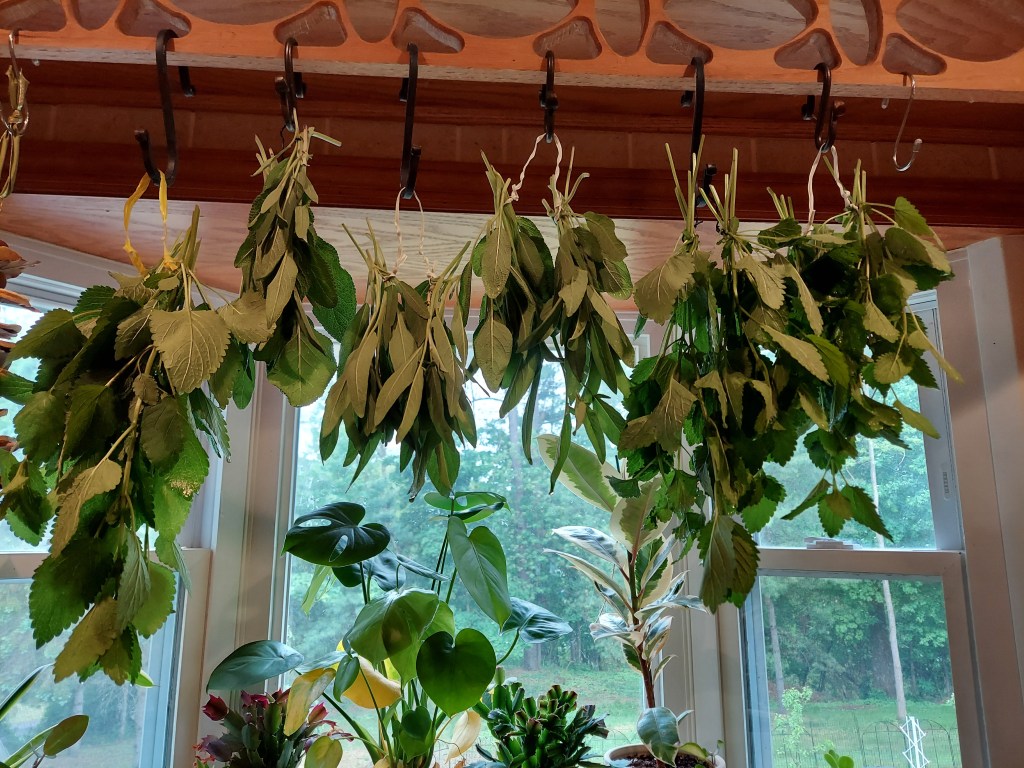
    The perennial herbs have already been productive. I’ve harvested sage twice and lemon balm once. Several ounces of fresh stems each time which I have been air drying. When I get more volume over the summer I will use the dehydrator to speed things along.

    Bundle drying in the kitchen window

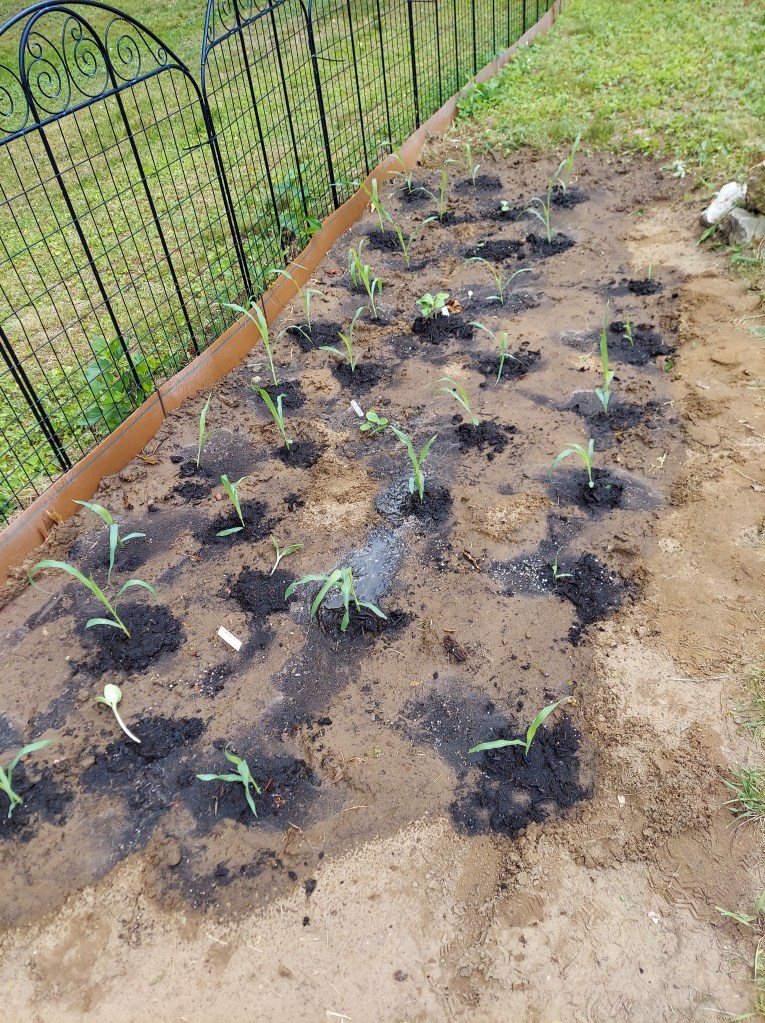
    The last big project for the month of May was planting out the corn patch. Here we have four rows of 30 corn seedlings with 6 winter squash seedlings down the middle. I also flipped the current compost pile into a new bay, so it can sit and continue to break down over the course of the season. After it sat for a few days I planted a couple of pumpkins in the top. The ones I grew last year in the same manner did really well, so hoping for a repeat on that.

    I still have several more trays of seedlings to plant out including the rest of the winter squash and cucumbers, indigo, melons, zinnias, basil, and a few straggler tomatoes and peppers. I bought two new small coreopsis plants that also need to be planted. Unfortunately, most of the onions I planted from set bolted already, so they have been harvested, chopped, and frozen for future use. I spotted my first garlic scape a couple days ago!

    No comments on Late May in the Garden
  • Early May: Plants are taking off!

    May 12, 2026
    Uncategorized

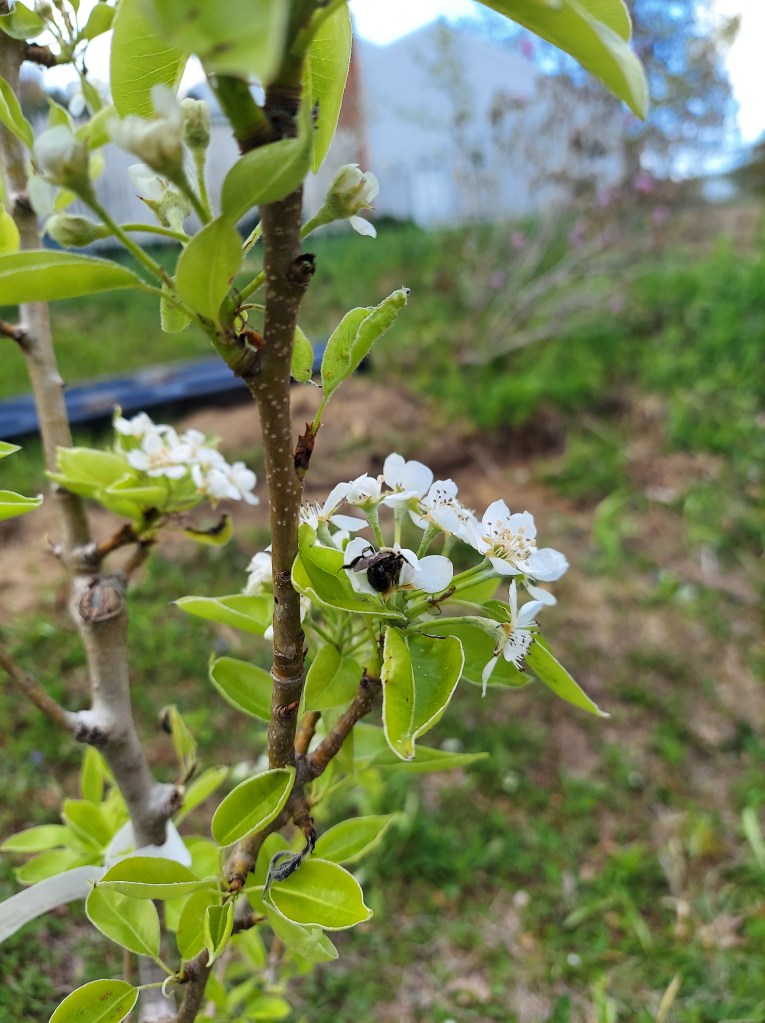
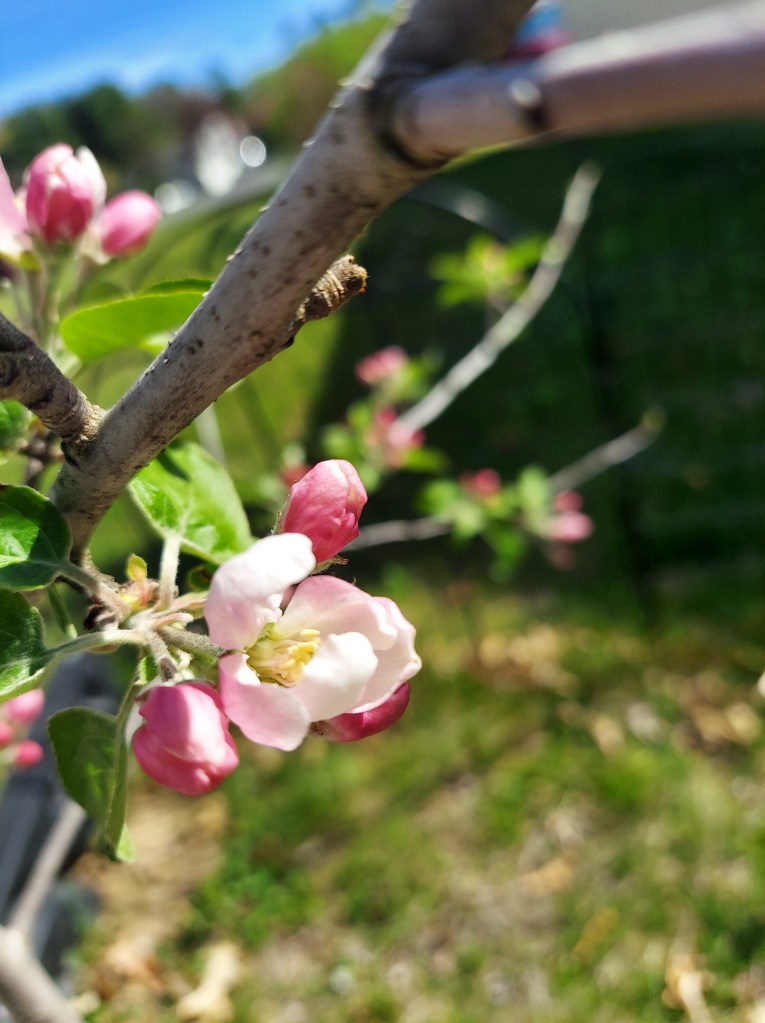
    Towards the end of April we had a hard frost, which unfortunately came after several days of unusually warm weather. A few of my fruit trees had buds that were starting to open, and the cold weather would have frozen them off. We spent several hours wrapping and covering them using frost cover, garbage bags and bubble wrap. Thankfully they pulled through just fine, lost a few branch tips that were touching the edges, but right now three of the trees are covered in flowers. I might get a few apples and pears this fall!

    Pear tree covered in flowers, with a bumble bee

    apple blossoms

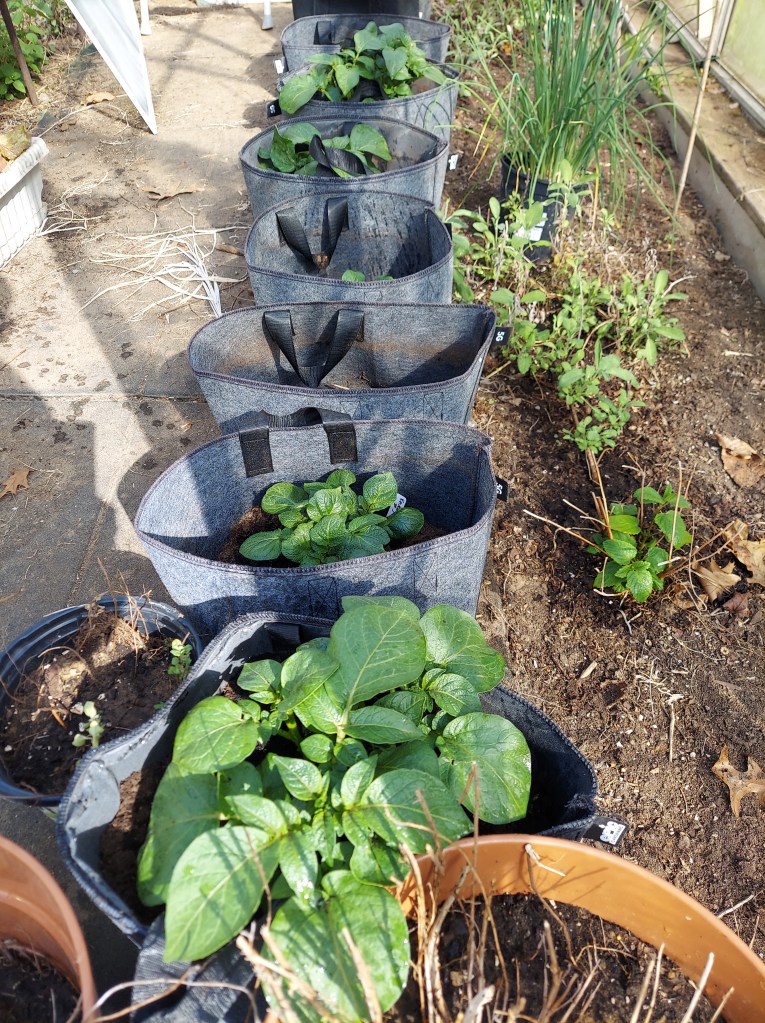
    The potato grow bags are all looking good out in the greenhouse. As the stems have grown taller I have been backfilling the bags with soil to keep them covered over. This will provide a bigger harvest in a few months. Once the soil level reaches the top I will mulch with straw.

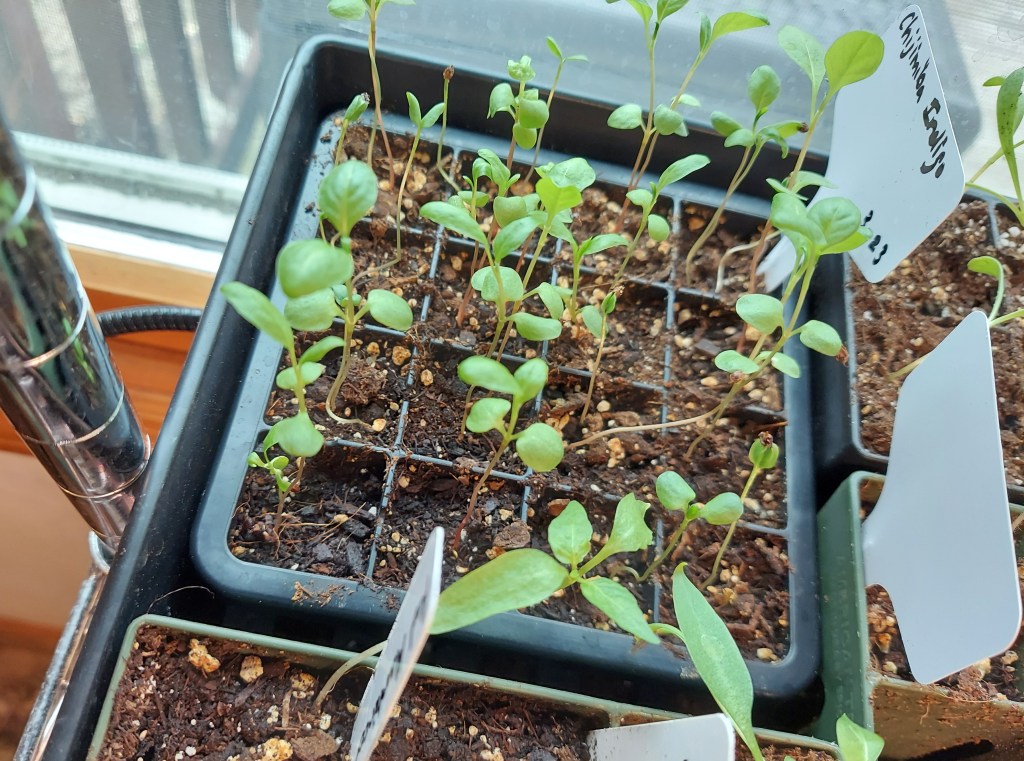
    I managed to do very well with the fresh indigo seeds I bought this winter. Very high germination rate. I have since potted them up into 6-1 trays, most have two plants per cell. I started a second set to have as backup, and they have all sprouted as well.

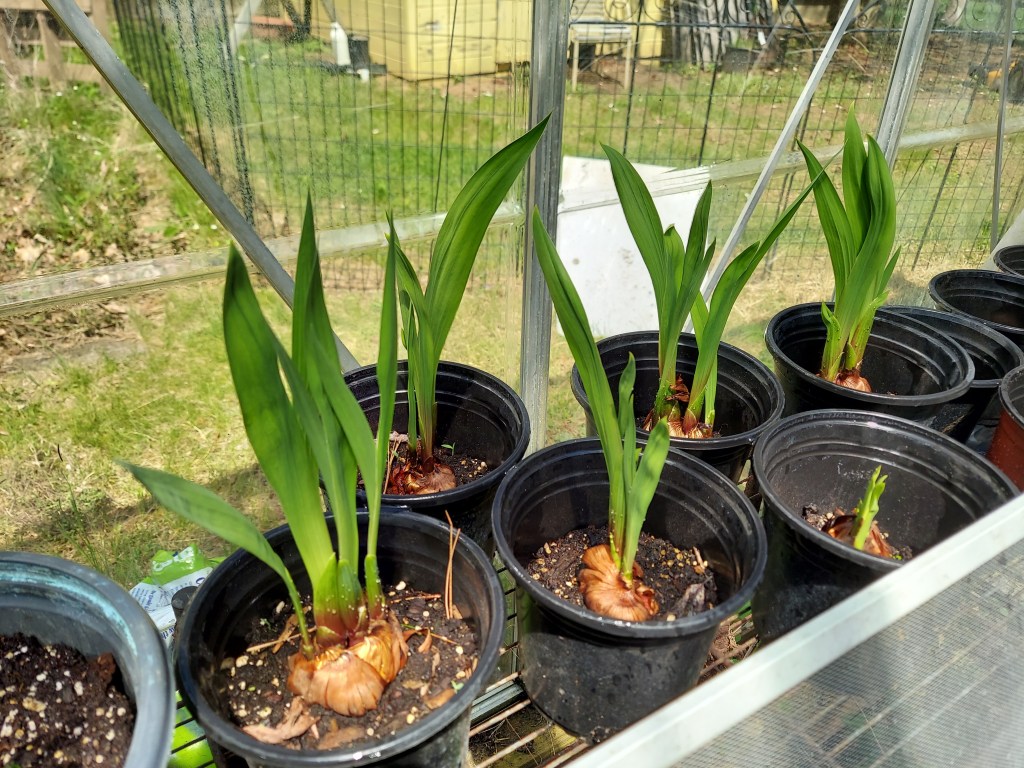
    I got a bunch of free gladiola bulbs and started a few of them in 6 inch pots. They all sprouted and are now out in the greenhouse until the fear of frost has passed. I’ve never grown them before but I’m going to try. I just started a second round too.

    gladiolus

    The fig trees are all awake in the basement and waiting to be moved outside. A couple have tiny figs started as well. Should be able to get them outside in about a week. Most of the cuttings I took over the winter have also survived, and I now have way more than I need.

    This month we replaced an old rotten wood raised bed with a new, larger one. It has hardware cloth on the bottom to keep out the voles, and I recently planted out a couple of kale plants, and a row of onion starts.

    I reset the strawberry vertical tower. Several of the plants did not survive the winter in the basement, probably due to lack of light on the side facing away from the door. I bought a set of 25 bare root plants and replanted all the empty spaces. I added a bit of compost on top and then mulched all the layers with straw before restacking the tower.

    The first couple of strawberries are already growing

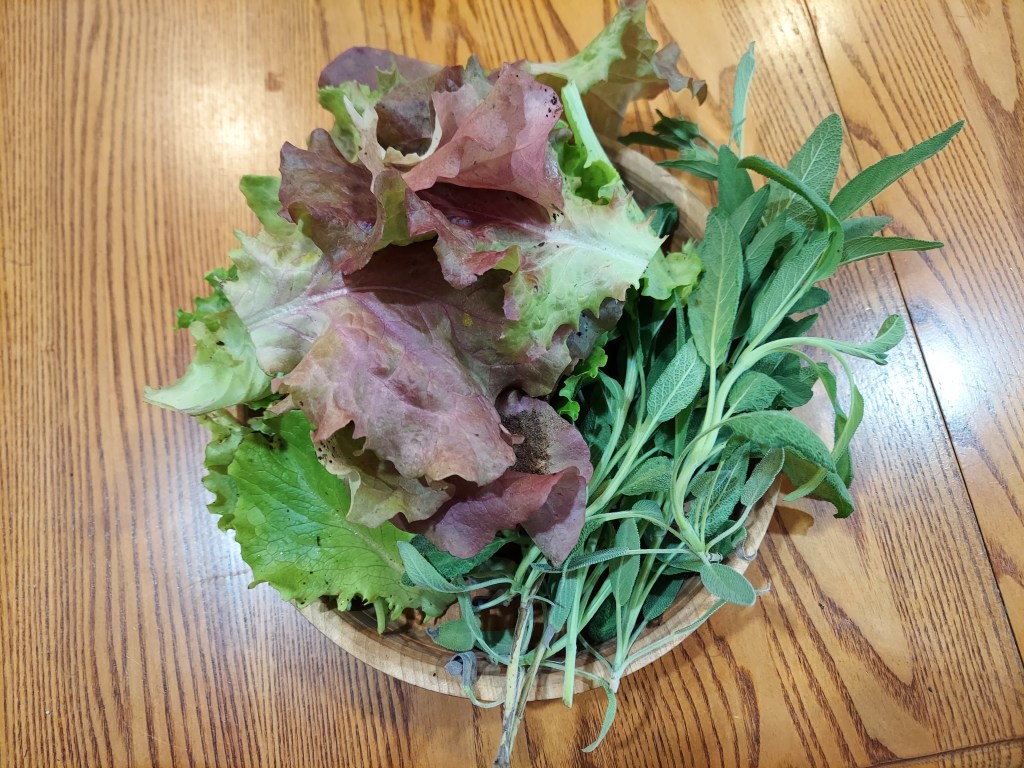
    I took my first harvest from the garden! Mixed lettuce and several sprigs of sage from the greenhouse.

    No comments on Early May: Plants are taking off!
  • April Garden Prep

    April 13, 2026
    Overview

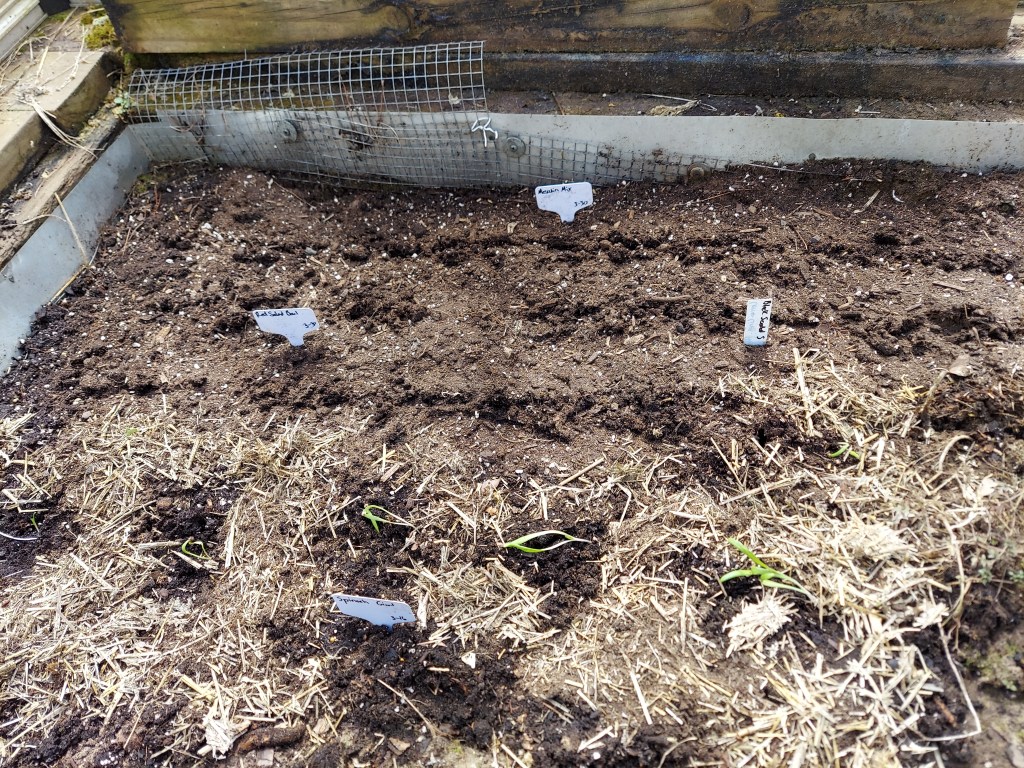
    It is slowly warming up here in upstate NY, the snow is gone for now and it’s time to start working on the garden. Last weekend I weeded in the greenhouse, because there were quite a few of them growing all over. The chives look great and the lemon balm plants are starting to push out new growth. I added fertilizer and some fresh potting mix to one corner of the greenhouse. I planted out a few spinach plants and direct sowed two rows of lettuce seeds.

    Inside the house I’ve started more seeds, and have pricked out my second batch of tomato seedlings to individual pots. I sowed a bunch of flower seeds last weekend including marigold, cosmos, snapdragons, and calendula. I currently have about two dozen tomato seedlings, four different varieties. I started four more types of tomato seeds this week, that should do it for tomatoes.

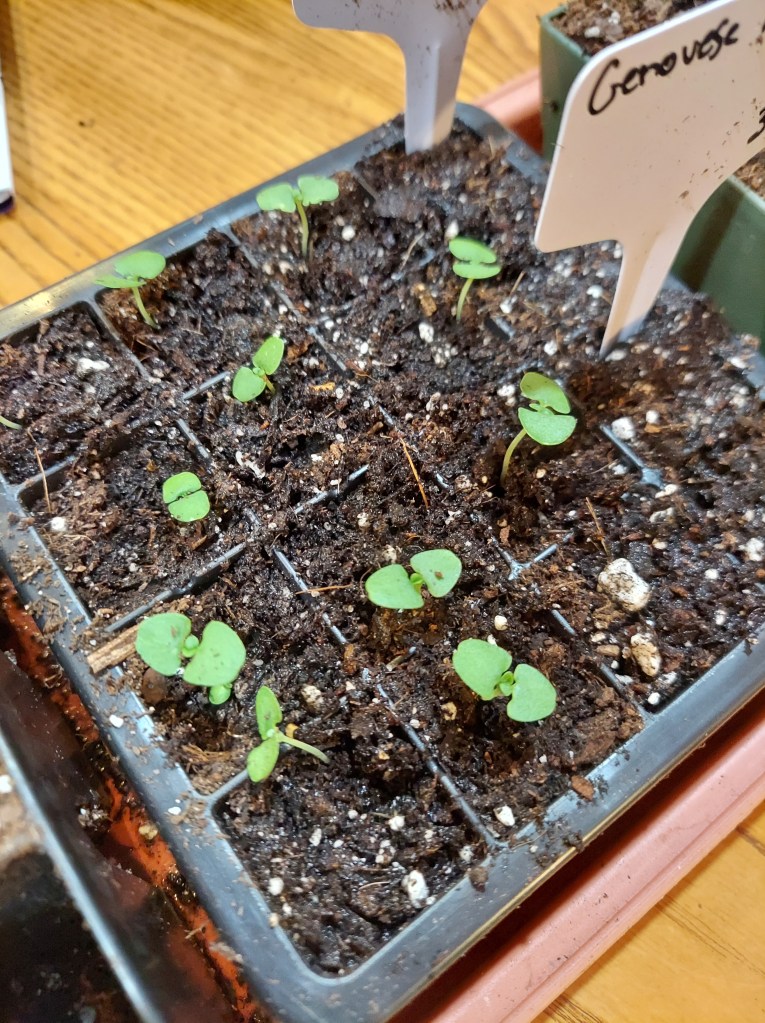
    The basil seedlings sprouted from my second seed snail, and I put them in individual seed cells this weekend. I grew both Genovese and purple varieties.

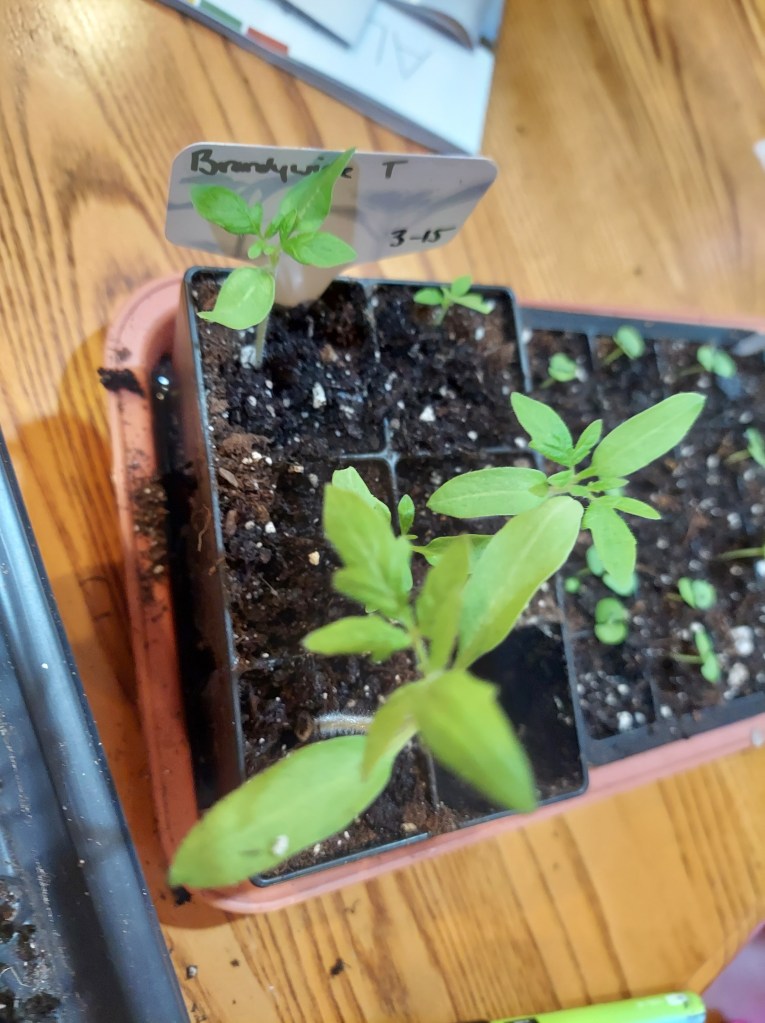
    The seed snails were a success, once again. I now have 8 tomato seedlings (Brandywine and New Yorker) which are strong and healthy. They should be ready to move out to the greenhouse in early May.

    I potted my 4 mail order dahlia tubers about two weeks ago. Two of them have woken up and put out new growth, still waiting on the others to show signs of life. I’m expecting some more strawberry plants later this week, and will need to get them put in small pots before being transplanted out to the tower in about a month.

    I started my first batch of indigo seeds this month. Hoping to grow enough plants to be able to make some dye this summer. They need light to germinate, so I tried to place 3 seeds on top of the soil in each cell, then sprinkled a tiny amount of soil over top. I’ve had trouble in the past with keeping seedlings alive once they come up.

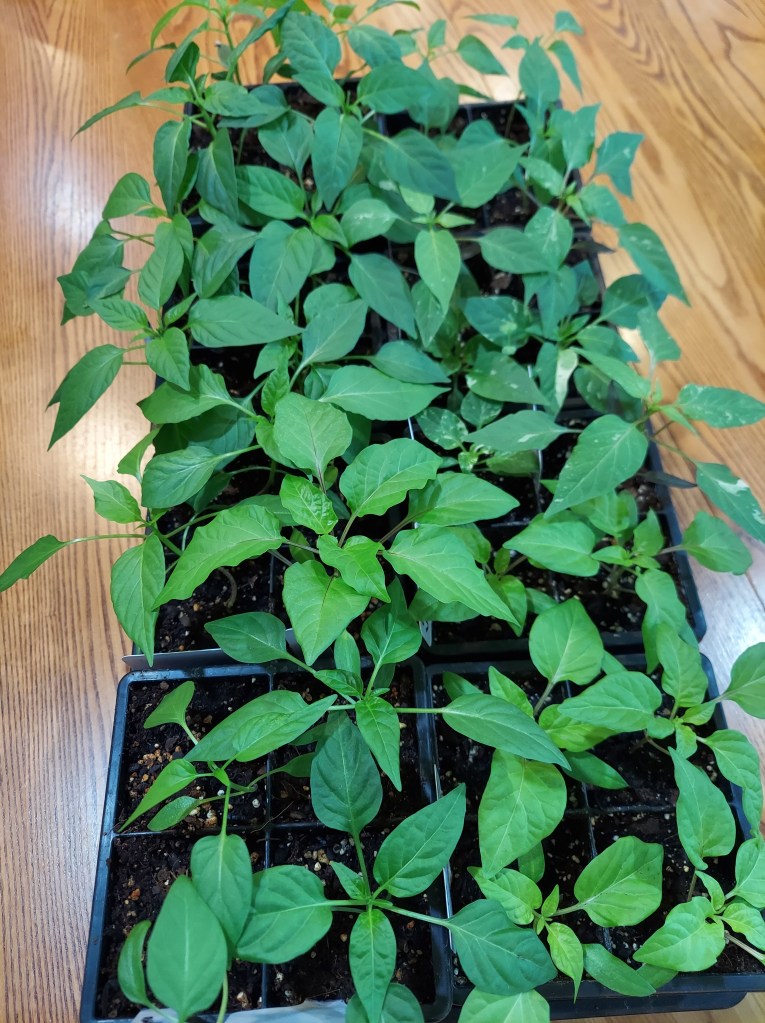
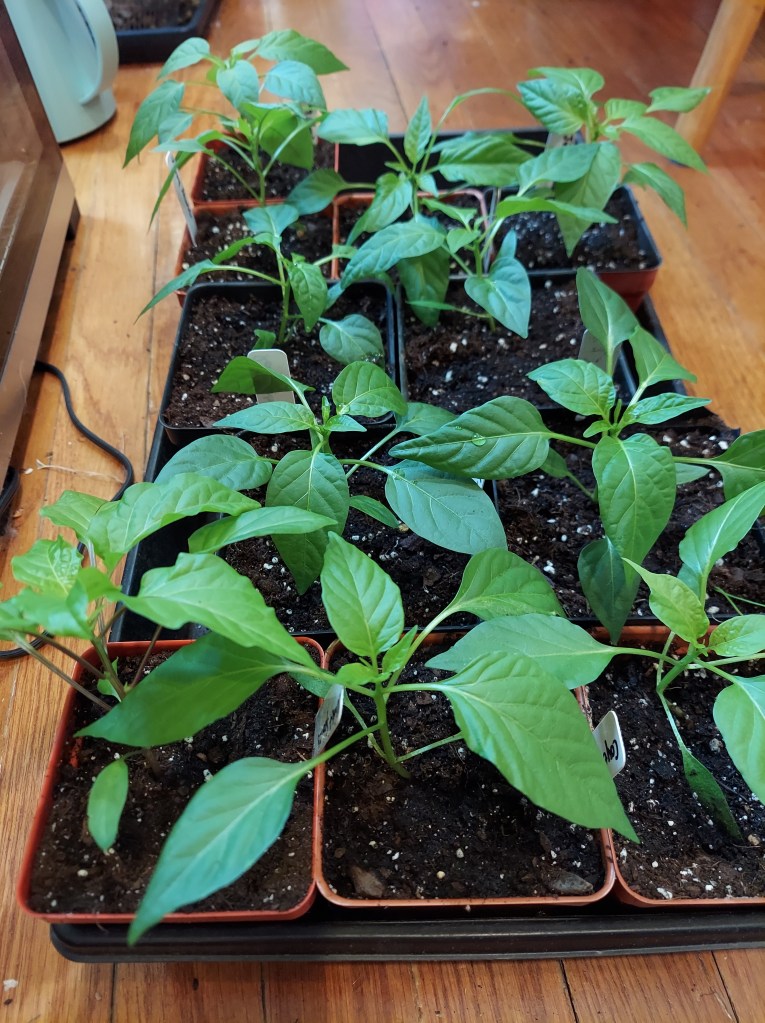
    I potted up about 20 of my pepper plants from 4-1 seed cells into individual pots. Several of them had tiny flower buds starting to form.

    Here they are, with a bit more space between them and more soil for the roots to grow into. They should be ready to move out in mid-May.

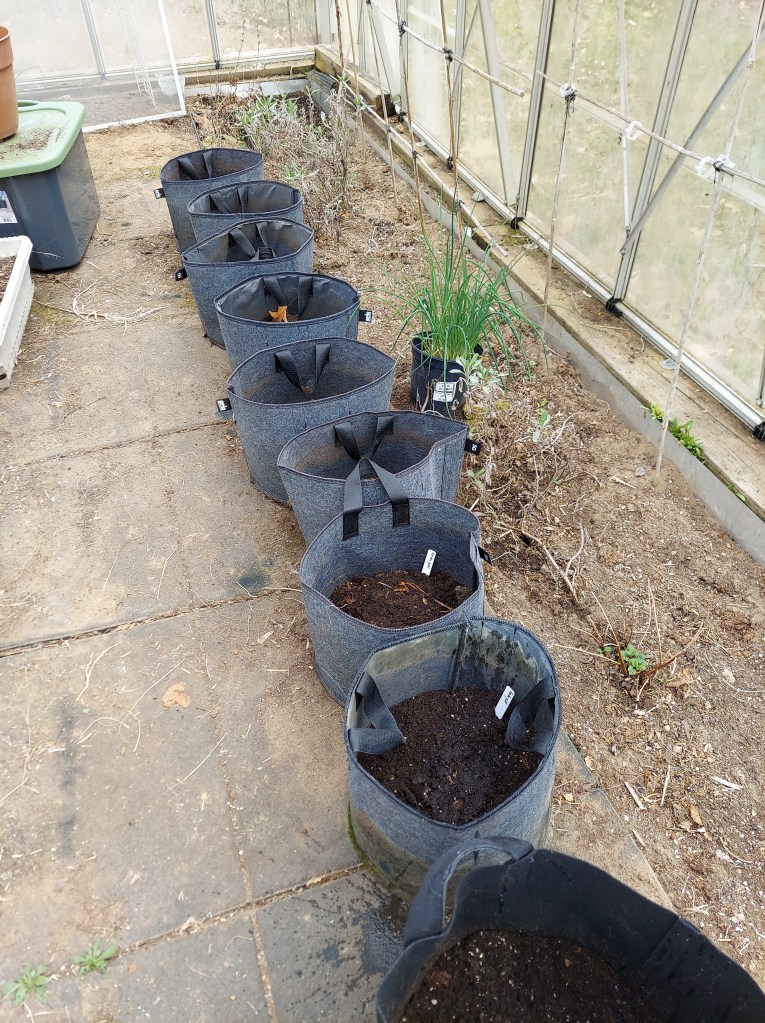
    I pre-ordered seed potatoes from a local seed company and my order arrived last week. I purchased one pound of Keuka gold and 1 pound of Norland Red. This weekend I planted them in grow bags and moved them into the greenhouse. If there is a frost predicted I will move them back into the basement but for now I want them to get all the sunlight they can. Each grow bag is about 1/3 full, I used old potting mix, my homemade compost, and a good sprinkle of granular fertilizer in each bag. As the potatoes grow I will continue to cover the stems until I reach the top of the bag. This will ensure I get a larger harvest of potatoes as they grow and develop up the stem but still under soil.

    All lined up in the mostly empty greenhouse

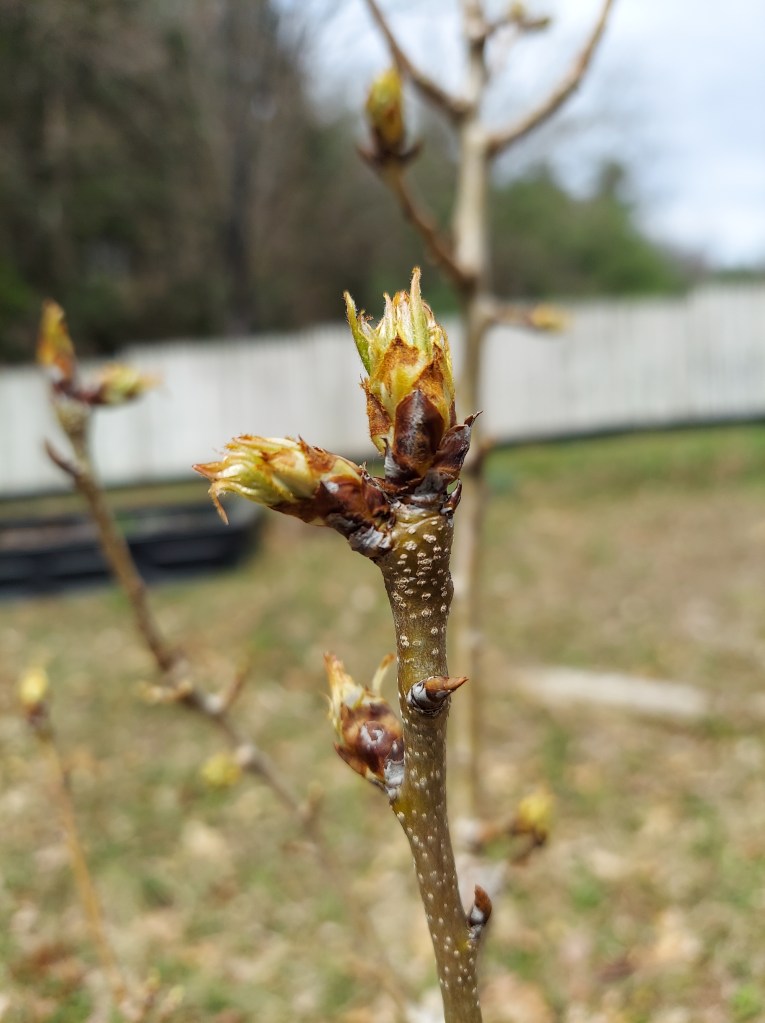
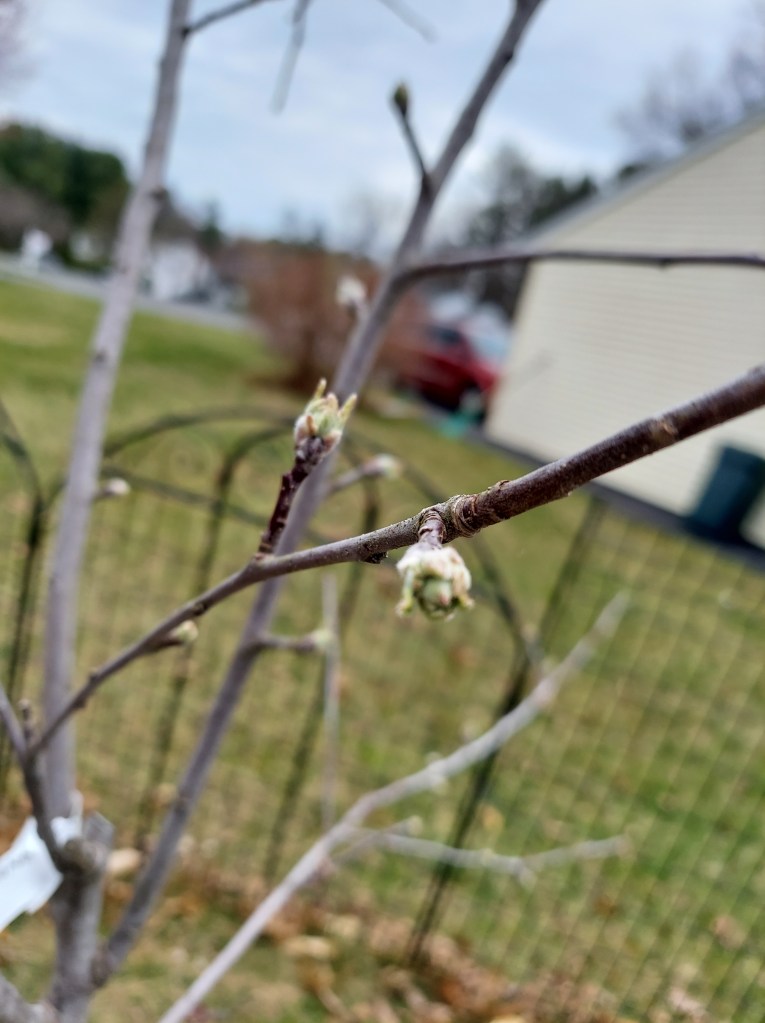
    Early spring is here. Two of the pear trees are starting to bud and are ready to start growing! The other two haven’t shown signs of new growth, but it’s still early.

    The Cortland apple tree is the furthest along, which is the same as last year. It is preparing to bud and leaf out.

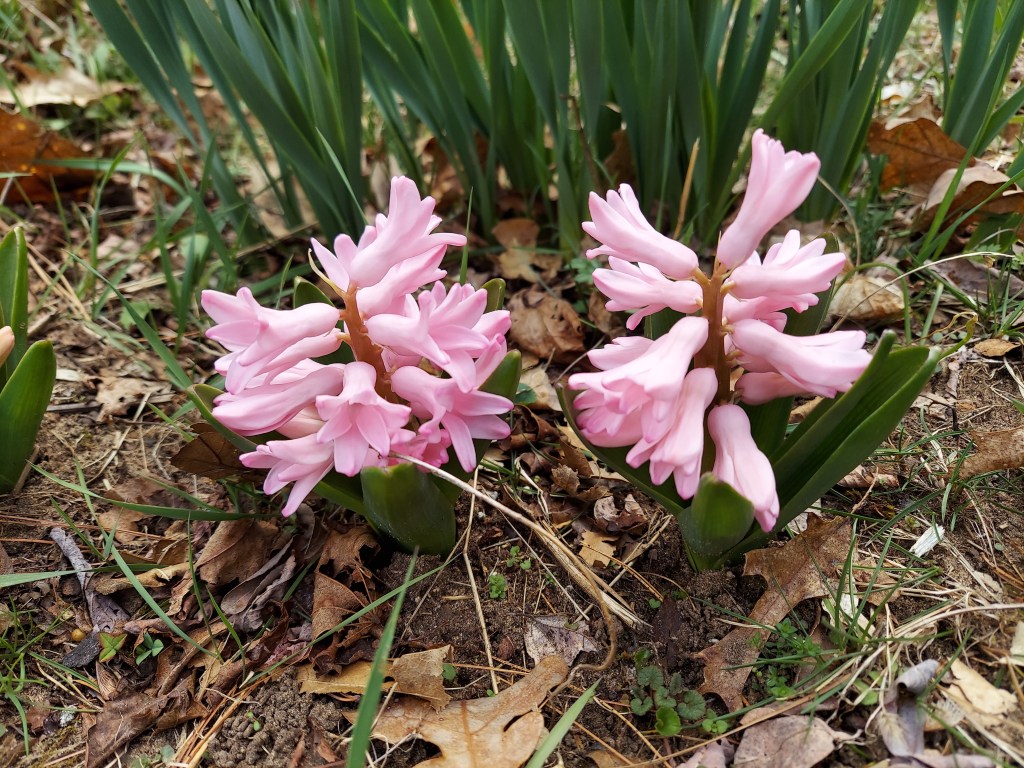
    And last but not least, the hyacinths are now blooming! The row of daffodils behind them are starting to form flower buds as well.

    No comments on April Garden Prep
  • Late Winter Tasks

    March 14, 2026
    Uncategorized

    It’s now mid-March, and false spring has come and gone. The weather had been lovely for a few days in a row and most of the snow melted. I was even able to go on a walk without wearing a coat. I know the thaw would only be temporary, but I am looking forward to actual spring coming soon.

    As the layer of snow retreated, I was able to go outside in the yard and assess the garden. I did a bit of clean up in the beds, mostly removing frozen/eaten plants and pulling up old tags to throw out. I pruned the fruit trees this week, mostly just topped the main stems and removed any crossing branches to ensure they have good airflow. All the trees are still pretty young, so I do want them to put on a good amount of leafy growth this year. I did harvest 3 apples last year so maybe I will get the same amount this year.

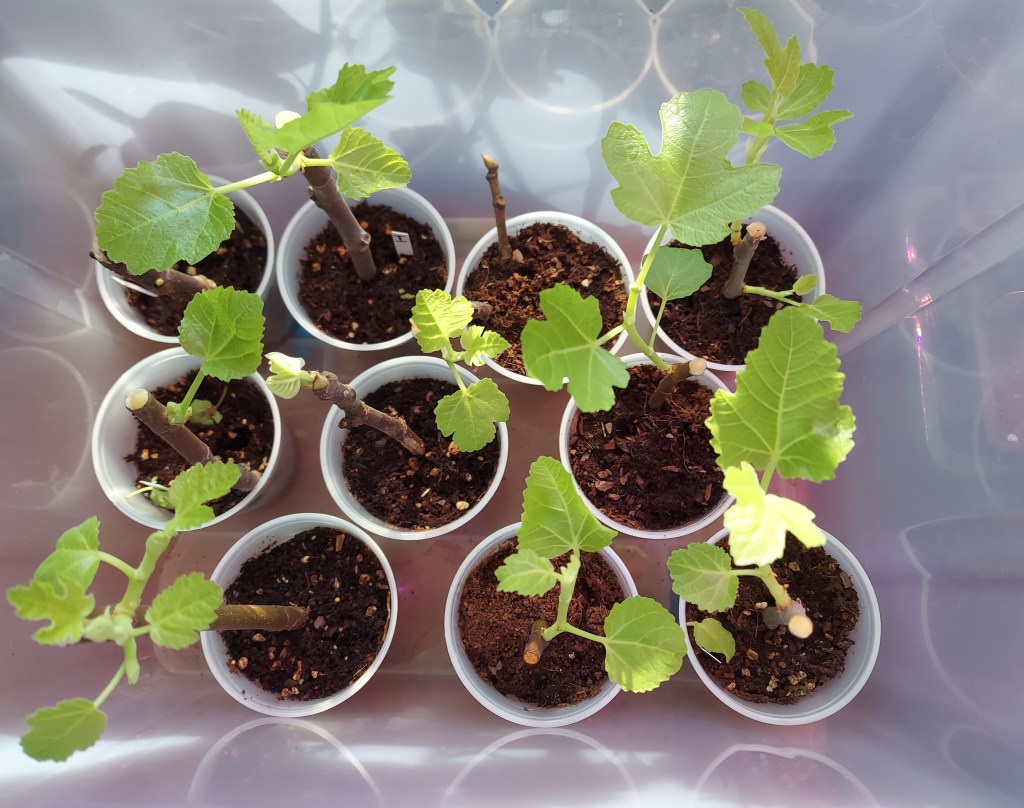
    I have been slowly potting up the fig cuttings, I don’t really have room for them all, but they are doing very well. I potted up 10 of them over the weekend, into 4-6 inch pots with fresh soil. I have been giving all of the figs a diluted liquid fertilizer about once a month to boost their growth, and supplement their limited amount of soil.

    Bigger pots will allow the roots to keep growing.

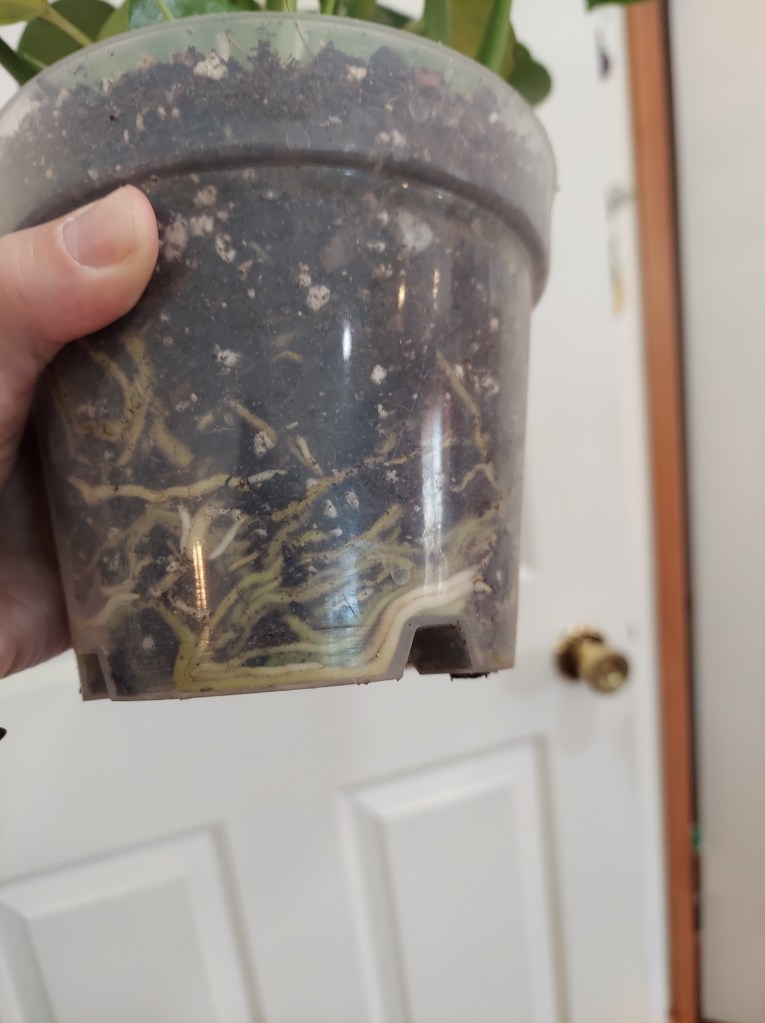
    I also repotted a couple of houseplants this weekend. The monstera was completely root bound and circling the bottom of the pot.

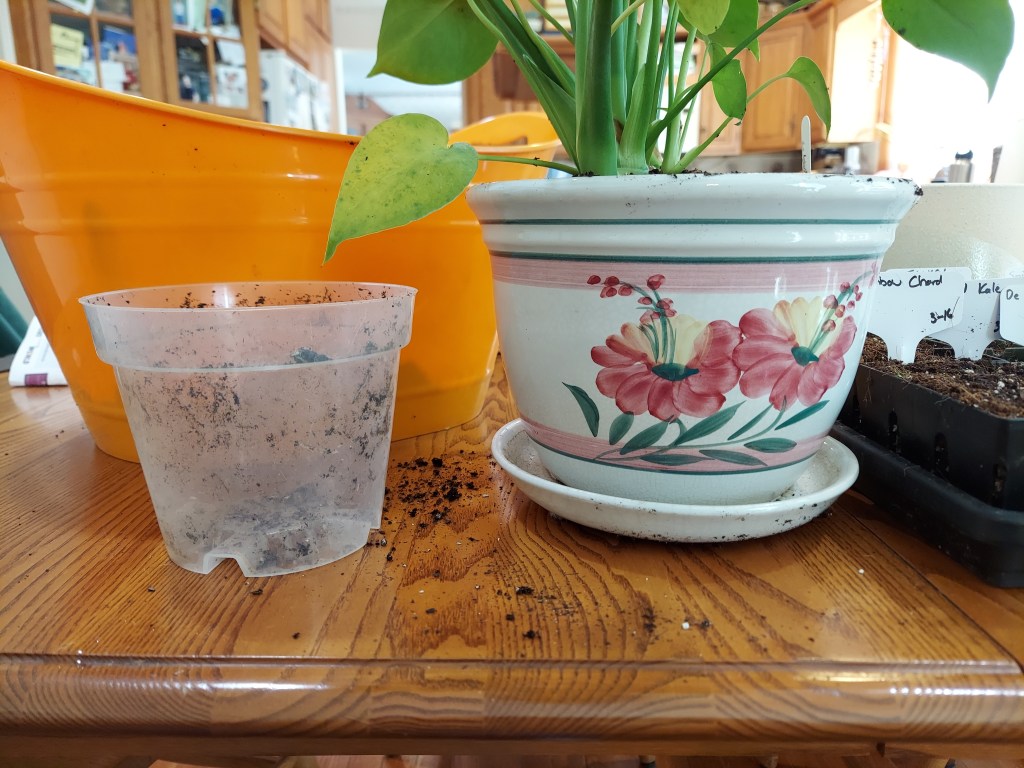
    It had been in this pot for about 6 months, since I had purchased and initially repotted it over the summer. Time for some more space. I went looking in the basement and found a good pot which would allow it more room to grow. It’s ceramic with a drainage hole leading to the attached tray.

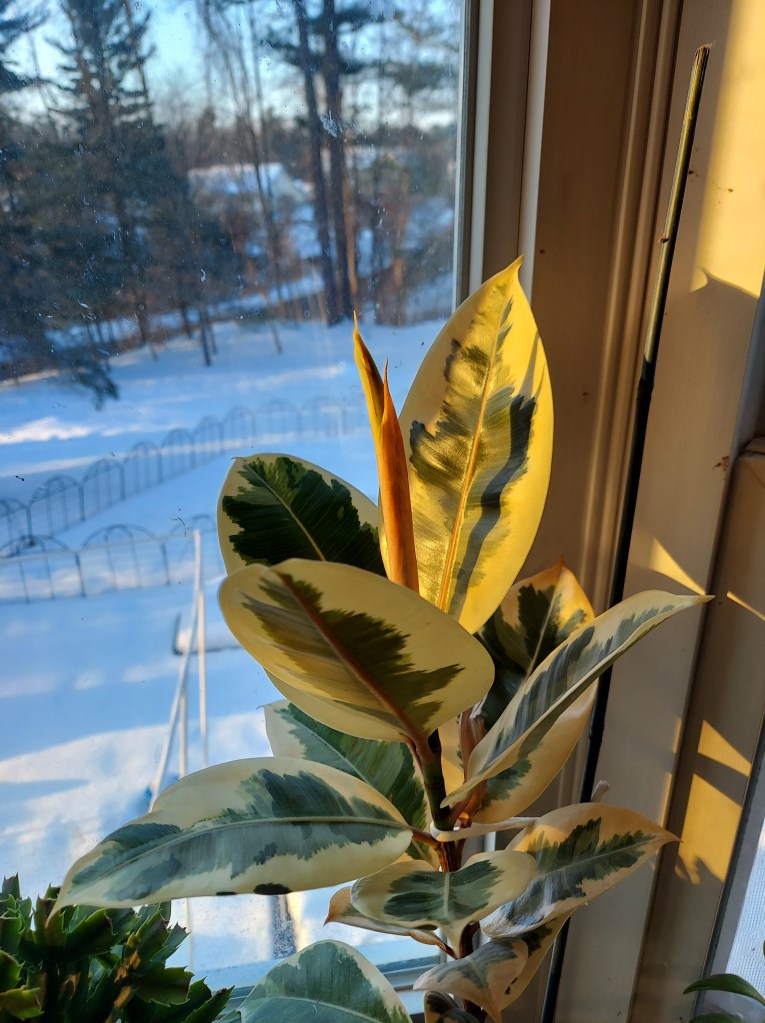
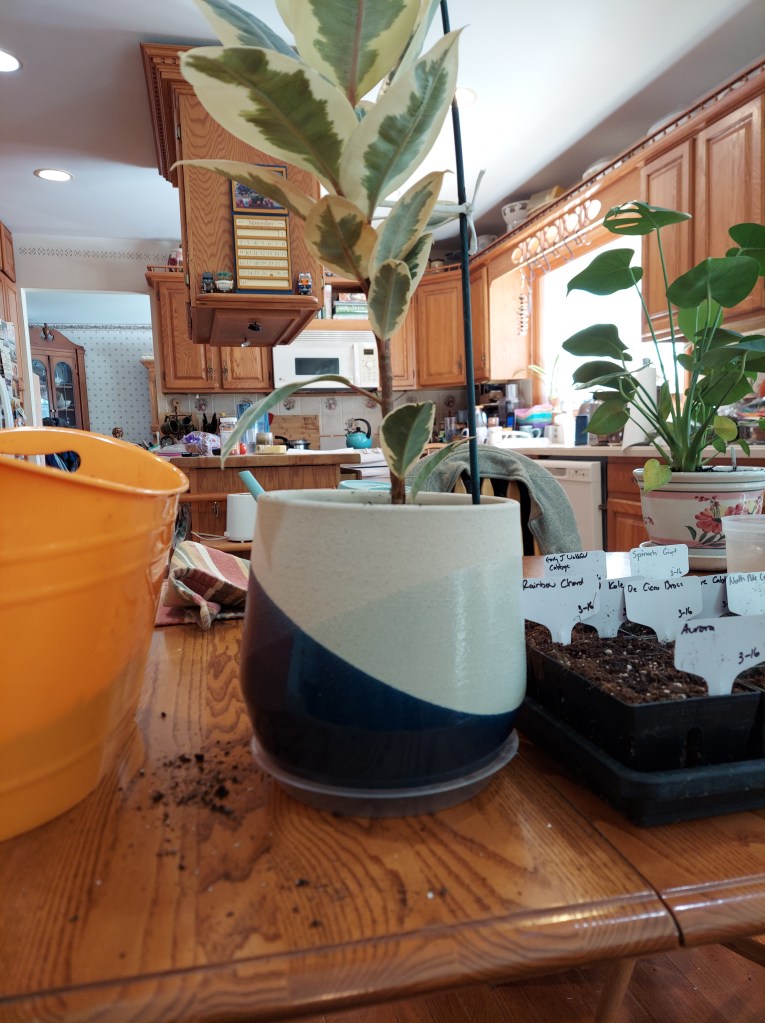
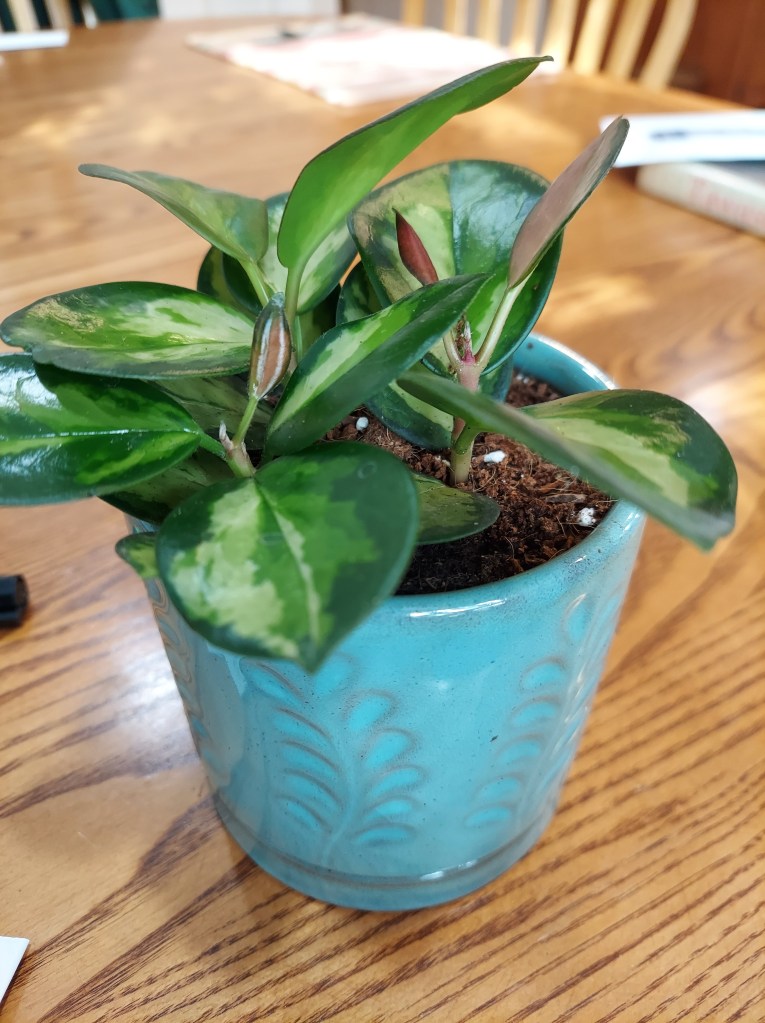
    I also repotted my actively growing ficus plant. It has put out several leaves this winter and I wanted it to have more room. I found a cool pot I really liked at work, and bought it with this plant in mind.

    Here it is unfurling its most recent leaf. This photo was from a couple weeks before transplanting, with the early morning sun hitting the kitchen window.

    I didn’t take a before photo of the pot, but it was similar in size to the monstera. I also re-staked the Ficus because it is leaning a bit and not growing straight up.

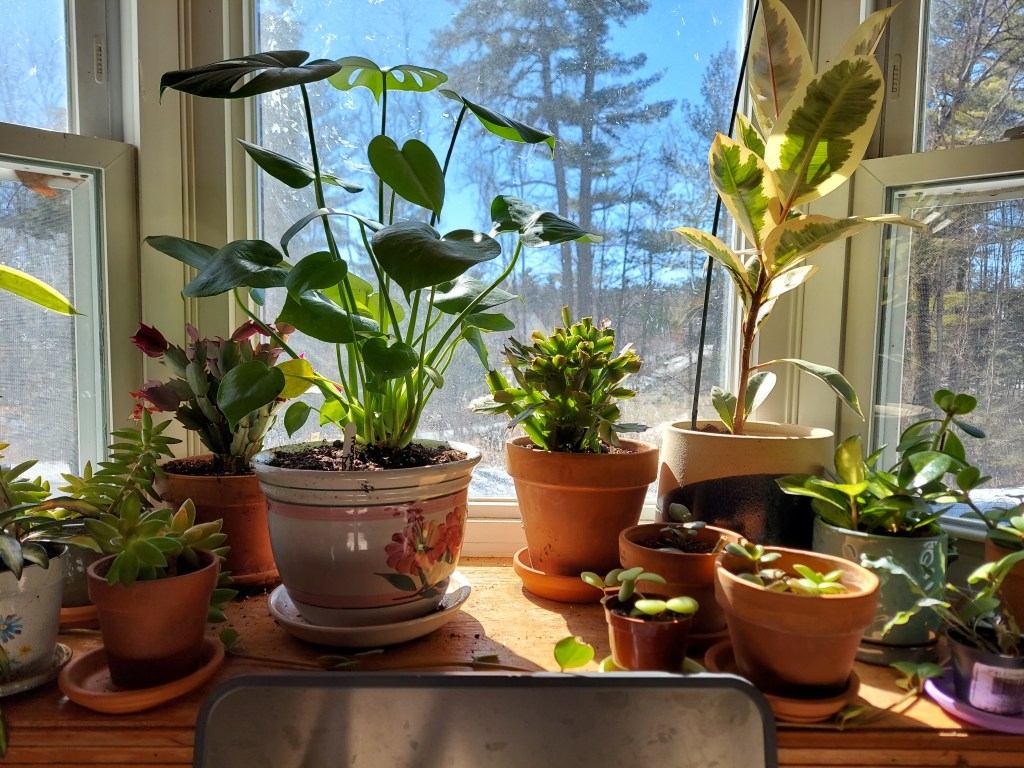
    Both plants now on the kitchen windowsill. The monstera had been on the floor in the family room but I wanted to add some more height to balance out the Ficus. Hopefully it will adjust to its new placement and put out more growth this spring.

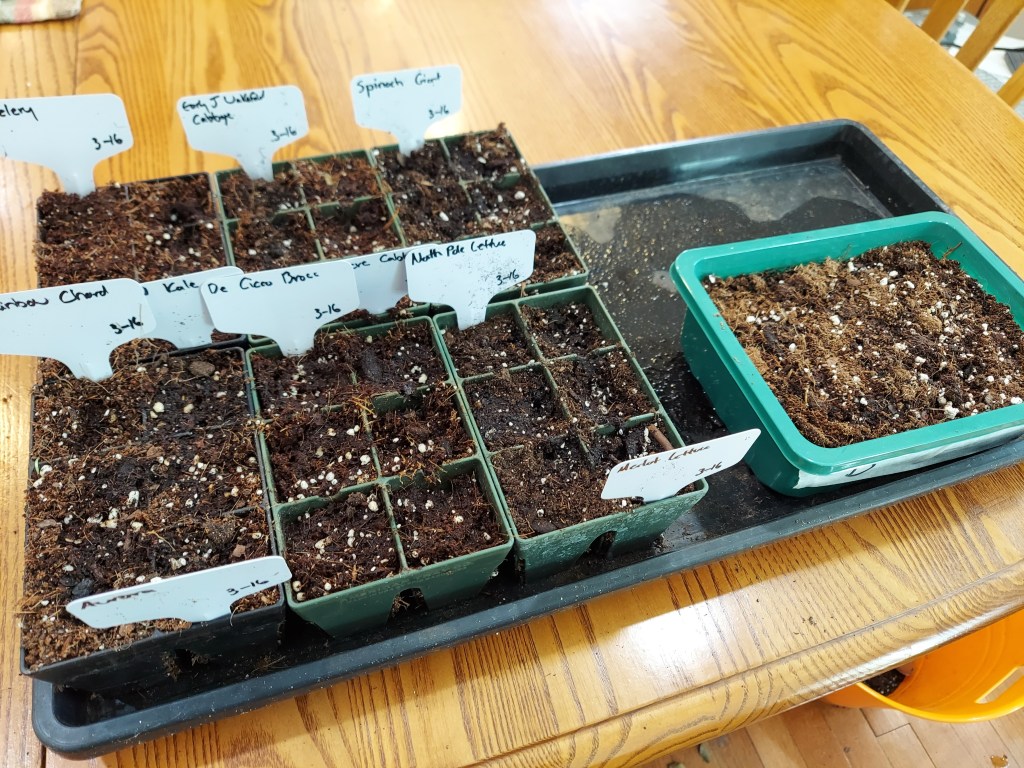
    I also started a bunch of cold weather crops, mostly leafy greens and brassicas. Celery, broccoli, kale, chard, spinach, cabbage. A mini-tray of pea shoots as well, because I really like them on sandwiches and salads this time of year. They provide a nice crunch and very nice pea flavor when its too early to get fresh peas from the garden. It may be too early to garden outside, but I am preparing for the season and enjoying all my houseplants.

    No comments on Late Winter Tasks
  • Seed Starting Experiment

    February 24, 2026
    Overview

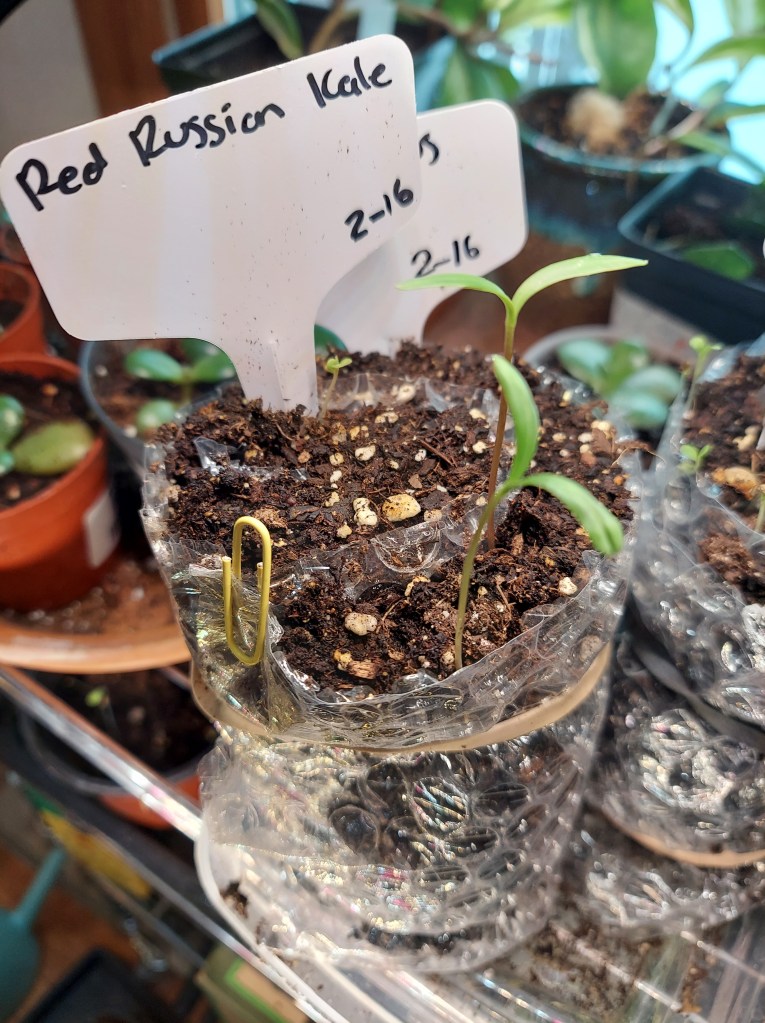
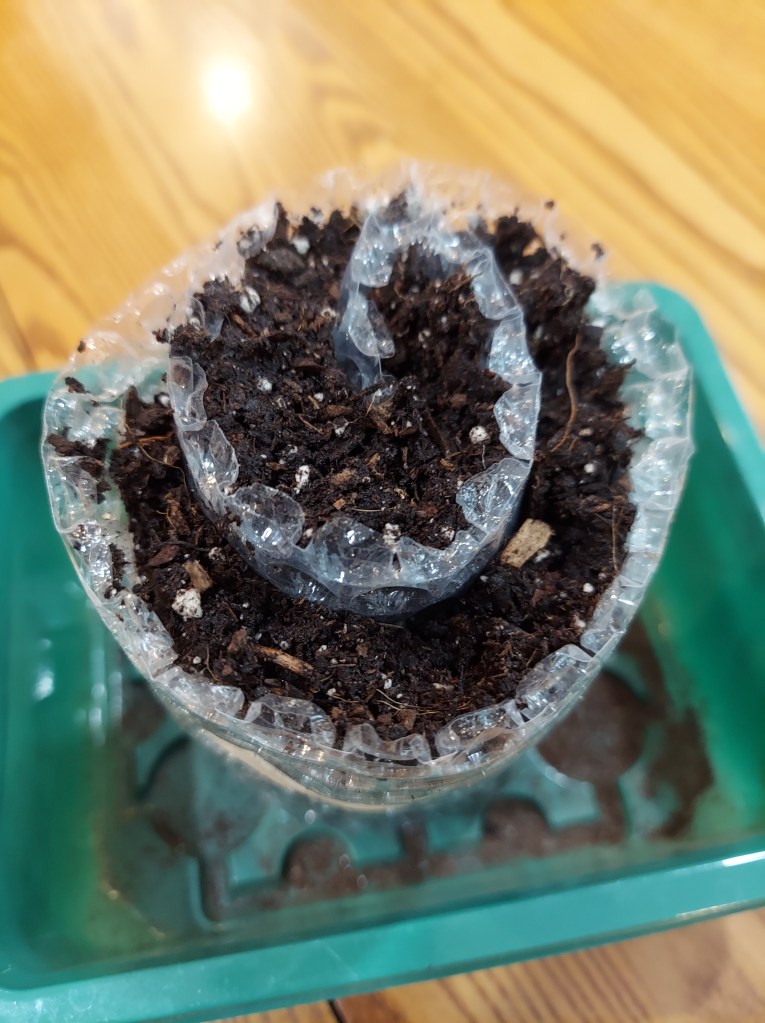
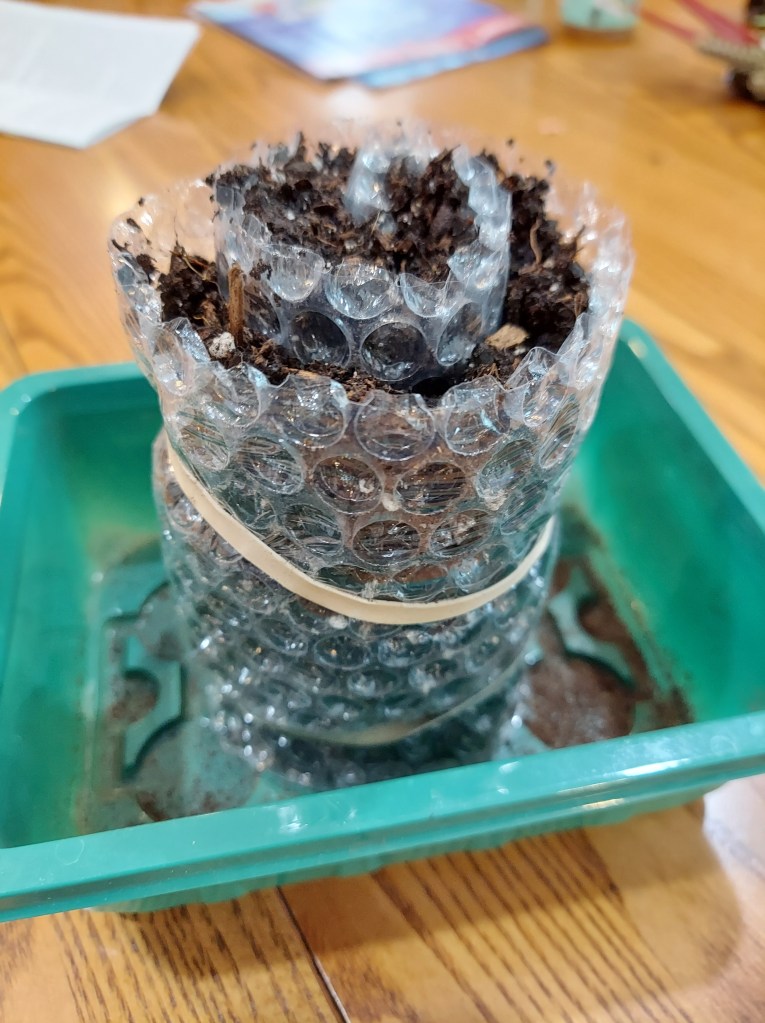
    In mid-February I decided to try a new method of seed starting that I had seen on the internet. The new method is called a “seed snail” and is basically a rolled up bundle of potting mix with seeds. It is supposed to save on space when starting seeds, and also be beneficial for root development because it has a long, narrow section of potting mix held between two non-porous layers.

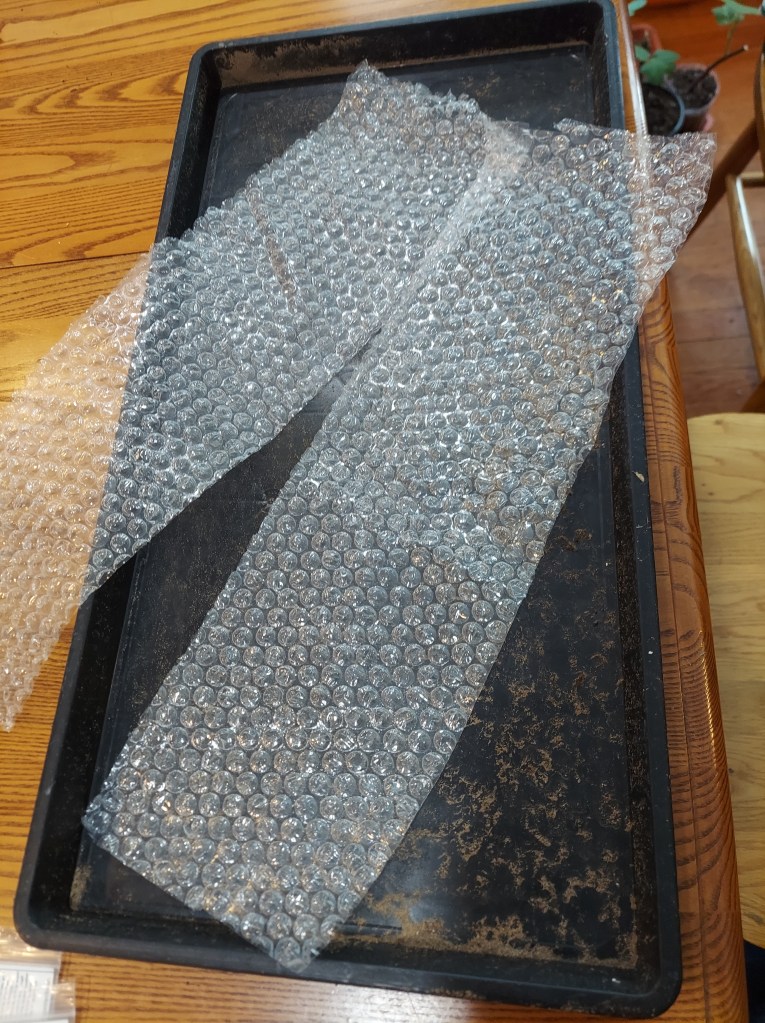
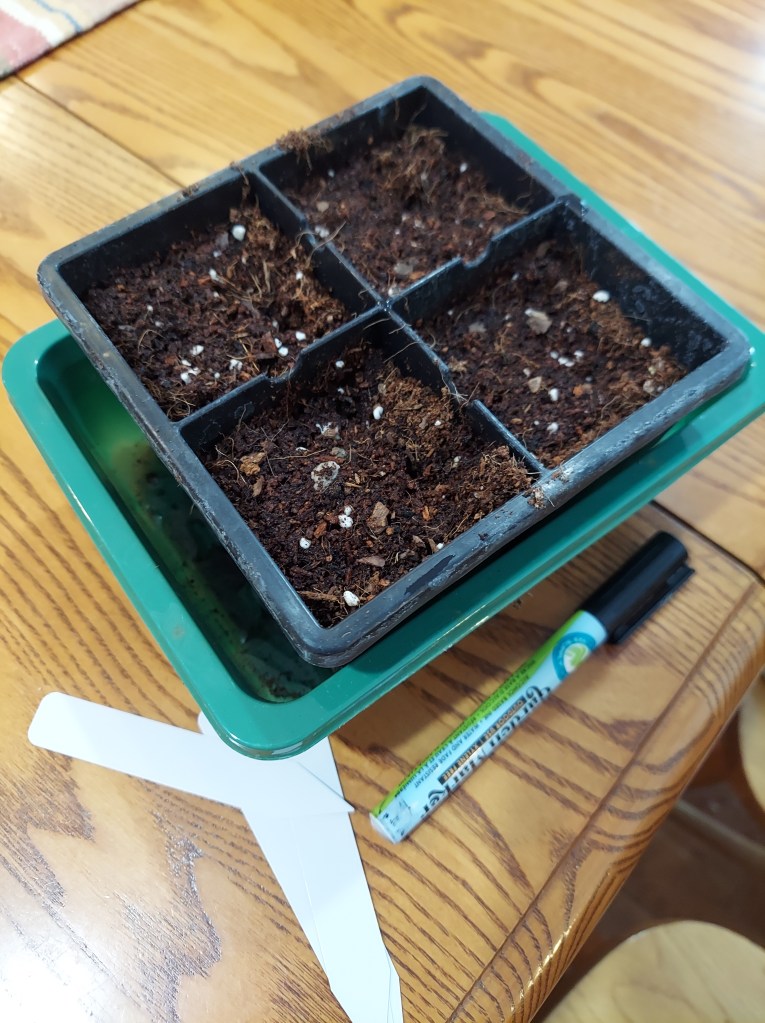
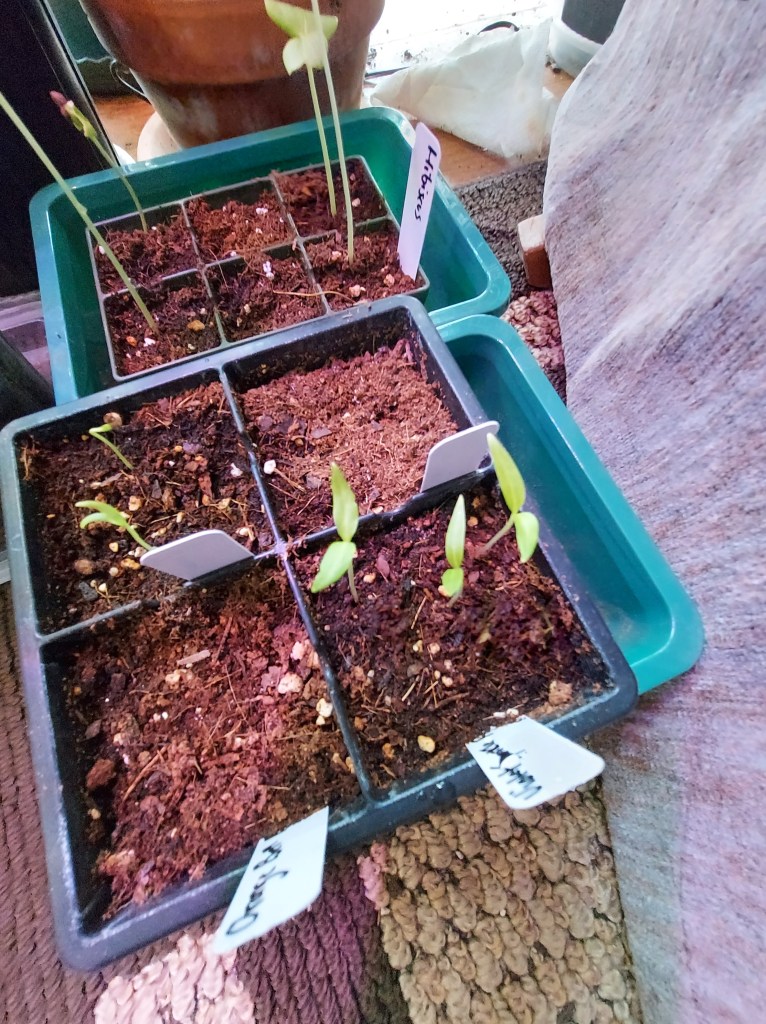
    To start out, I cut up some bubble wrap into two sections, roughly 5×15 inches in size. I then got some potting mix nice and damp and picked out what seeds I wanted to try. I went with three different types of seeds, and in order to test out the seed snail I also started the same seeds in normal 3 inch pots and in an Epic 6 cell (standard seed starting pack).

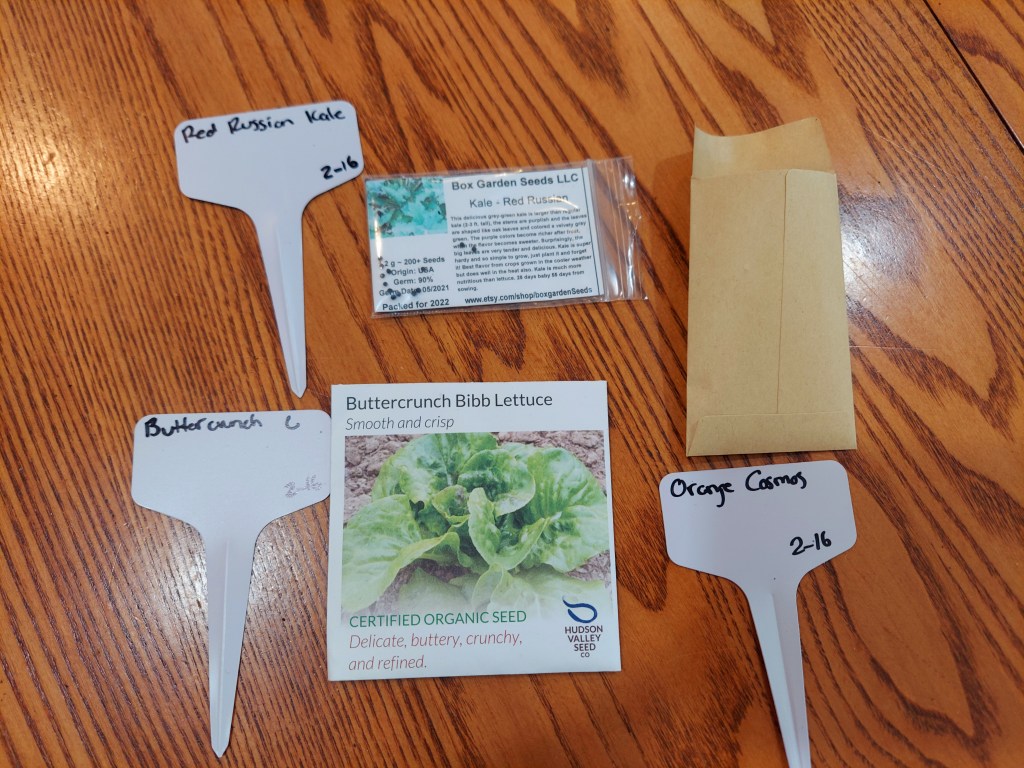
    The seeds I started were Red Russian Kale, Buttercruch lettuce, and my own home saved orange cosmos. Each type of seed went into each growing environment.

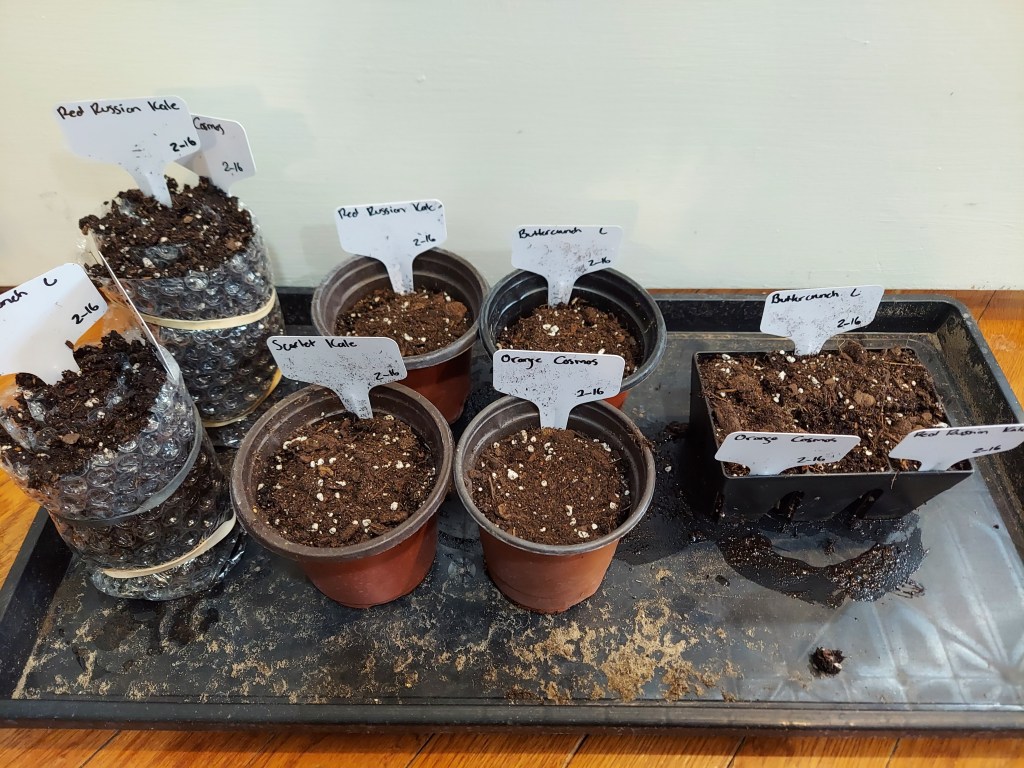
    I spread the damp potting soil across the length of the piece of bubble wrap and then carefully rolled it up. I used two rubber bands to hold the end in place. I then carefully placed two of the types of seeds around each swirl and added a pinch of potting mix over top to cover them.

    I then stuck in the labels and placed them on the tray with the “control” seeds in the more traditional pots. Everything will be going on a shelf by the window and I will also utilize a grow light so they all have the same environment.

    I’m curious to see if this method works. The seed snails are taller than the pots, and since the seedlings will have a narrow space to grow in that should force the roots to head down to search for more soil. It’s reportedly easy to transplant seedlings out of, since you can unroll it and see the roots. Could be less damaging than having to dig up/dump the 3 inch pot and tease seedlings apart. Not sure what the results will be but I’m going to give it a try.

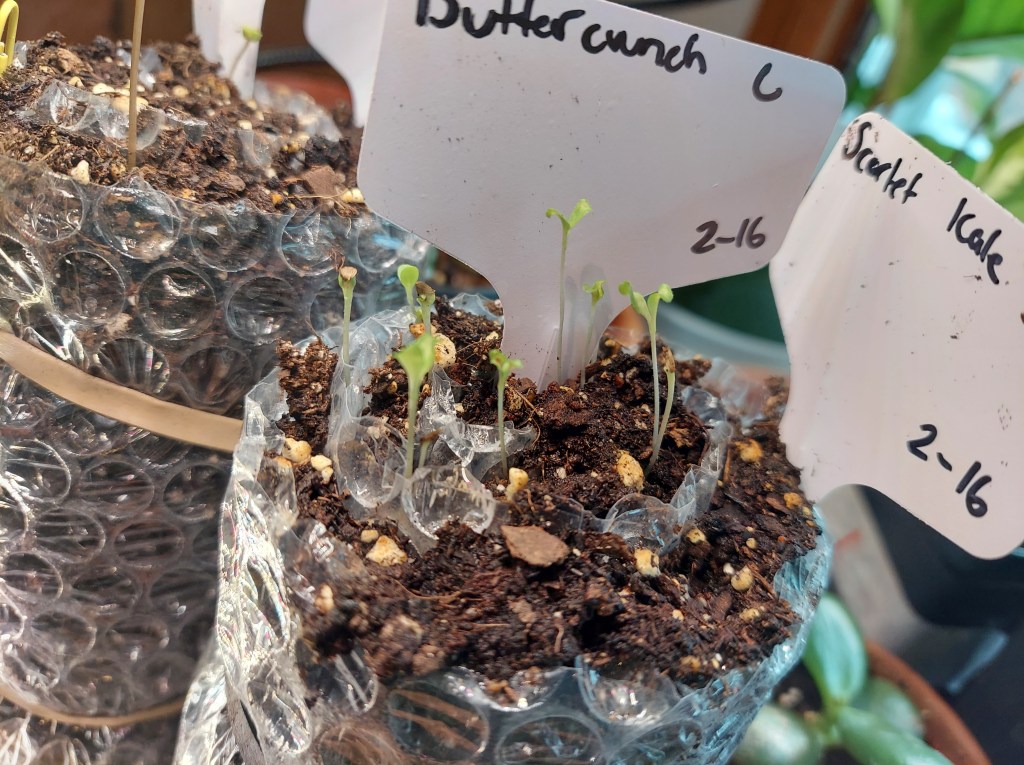
    As of Feb 24 some of the seeds have sprouted, the lettuce and cosmos are doing well. The kale is currently lagging behind, not sure if the seeds are too old, but only a couple have come up so far.

    Tiny lettuce seedlings

    Home saved cosmos seeds are looking nice and healthy.

    No comments on Seed Starting Experiment
  • Garden Prep for 2026

    February 12, 2026
    Overview

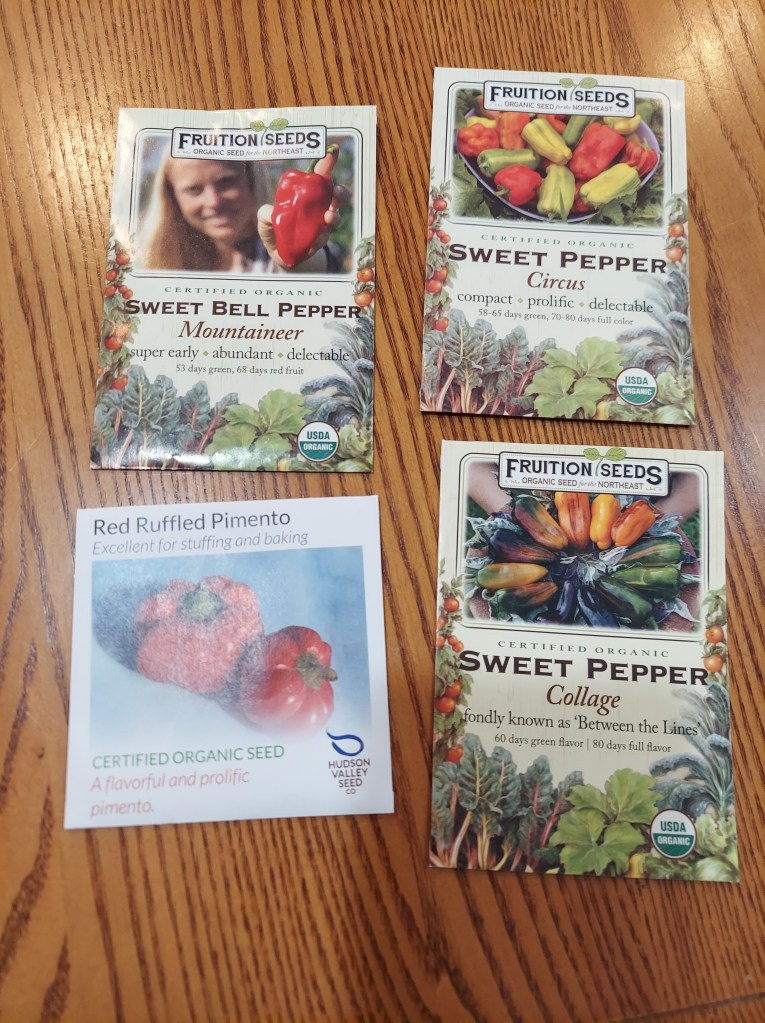
    Midwinter is a good time to make plans for the upcoming gardening season, especially to figure out what I want to grow and to purchase seeds. I did a pepper germination test in mid-January to see if a couple of types of older seeds were still viable. I just sowed between 4-6 seeds of each of the 4 varieties in small pots and waited to see what came up. Two of the four types sprouted, so if I want to grow the other two varieties, I will need to purchase new seeds. The good news is I now have a few sprouts that will start my pepper collection for this upcoming season. They are both small sweet pepper varieties. For any seeds that are more than a few years old either doing a germination test, or sowing extras is recommended.

    Pepper experiment time!

    Pepper seedlings a few weeks later

    My fig cuttings are doing quite well, I had a high success rate for propagation. I love seeing all the tiny leaves that emerge from sticks that were dormant a month ago. Many of my older fig trees which are in the basement are also waking up and unfurling new leaves. Some of the houseplants are even showing new growth, so that is a sign that they are enjoying the slowly lengthening days. It may be freezing outside, but spring is on the way.

    Peppers like a warm environment so I started the seeds inside small greenhouses on a heat mat. This way they were warm and humid. The heat speeds up germination and ensures more of the seeds do sprout. I’ve had pepper seeds poking through in as little as a week using this method.

    I have also repotted and taken cuttings from a few of my houseplants. Winter time isn’t ideal for this, but the houseplants were putting on new growth, and roots were coming out of the bottom of their pots. I spent a couple hours last week repotting them all, including two hoya and two pothos.

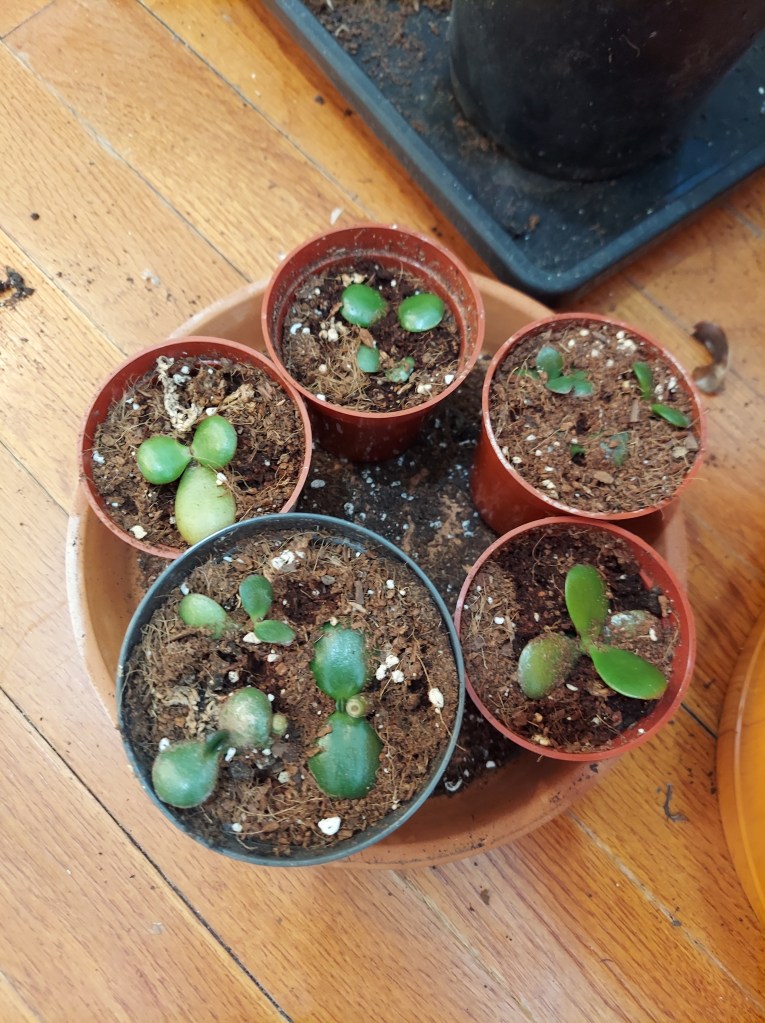
    I had successfully taken cuttings from a jade plant and so I planted them in a few small pots to grow on.

    I started my first main sowing of pepper seeds last weekend and expect to see sprouts later this week. I sowed the following varieties:

    I plan to start a second set of seeds this week, all different varieties. Once these are all up and I see how many potential plants I have growing, I will start any final seeds, to potentially fill in gaps.

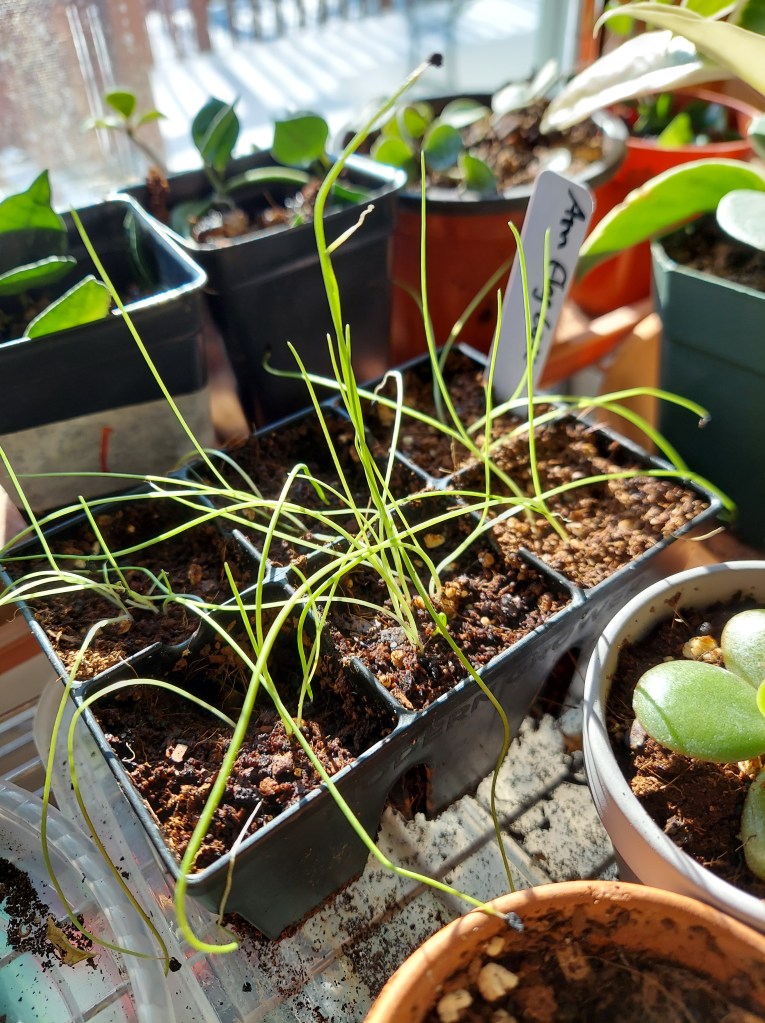
    I have already started a set of leek seeds and they have been growing for about a month now. Allium family seeds (leeks, onions, shallots, scallions) are very slow growers. I managed a few small leeks last season, but I want to try again. I bought onion starts last year which worked, but I did not get large onions. This year I am once again going to try from seed. I also plan to start celery seeds soon as they are very slow growing seedlings as well.

    Multi-sown leeks living amongst the houseplants for now.

    I have purchased my first small bag of potting mix which I used this weekend to pot on my small hibiscus seedlings. My homemade seed starting mix is quite lightweight and well draining, but once seedlings get a little bigger, they can use more nutrients. I plan to start feeding them with a diluted houseplant liquid feed after they are about a month old. I’ve not done this before, but want to see if it helps the seedlings grow stronger and larger.

    My grow lights are set up on the bottom shelf by the back glass door. This way the pepper seedlings will get as much light as possible for the time of year. I’m also utilizing white cardboard at the back of the shelf, to try and capture and reflect the light back onto the seedlings. I did this last year and I think it helped them stay a little more balanced with their growth. I’m still rotating the pepper seedlings every couple of days so they don’t grow lopsided.

    We just emerged from a lengthy cold snap where I live, and I am very much looking forward to spring and nice warm days.

    No comments on Garden Prep for 2026
  • 2026 Fig Propagation

    January 16, 2026
    Figs

    The time has come again to propagate figs from my potted trees. Winter is a very good time to take fig cuttings because the trees have gone dormant and are not focusing on new leafy growth. Fig trees can grow a lot over one year so pruning the trees back can provide plenty of cuttings to propagate from as long as you know what to look for. You want to root slightly older wood that has turned slightly gray or brown and is no longer bright green. I took these cuttings on December 29, and it will be a lengthy process to see which ones develop into full viable baby trees.

    When I take cuttings for propagation I make sure each cutting is about 6-8 inches long and has at least 3 nodes (bumps where new growth will develop). I cut just beneath a node on branches that had grown in the past year. I removed branches that were either growing at odd angles, too close to the main trunk if they came directly from the soil, or growing inward towards the center of the tree.

    Since I have two types of mature trees, I marked each type with a colored tag so that I could tell them apart. Green Ischia are on the left, Chicago hardy are on the right. Once I cut the branches off the trees I took them up to the kitchen to get them started. I decided to do three different methods of propagation since I had about 60 total viable cuttings. I put about a dozen in a cup of water to see how well they handled the propagation method that required the least amount of work.
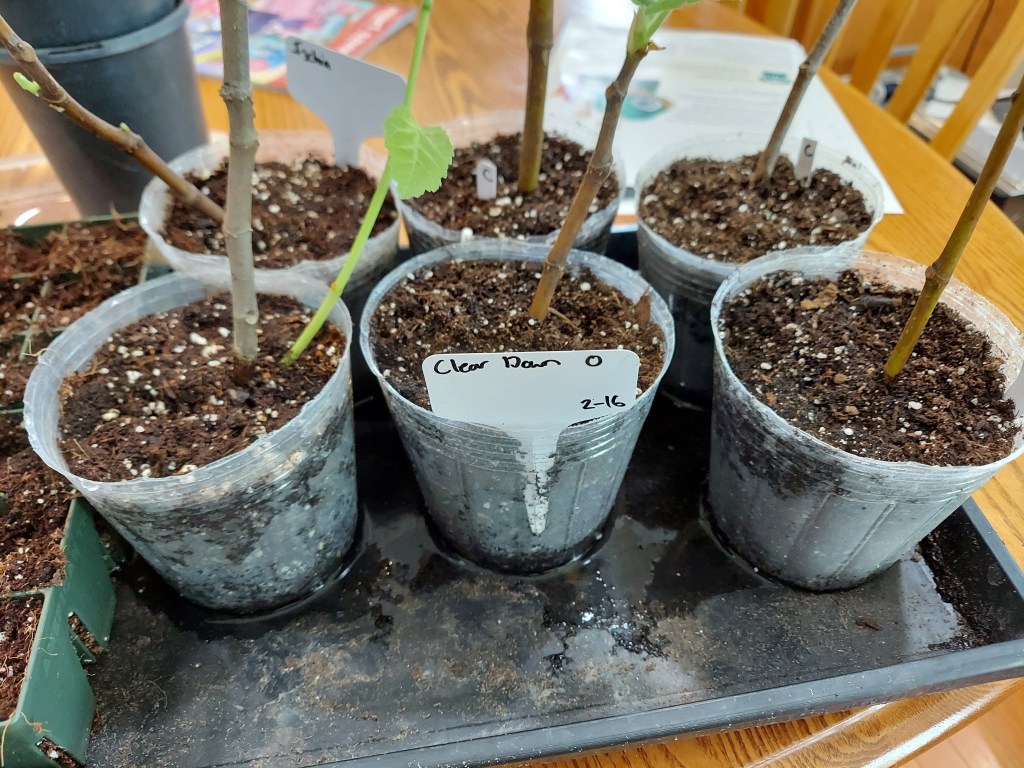
    Before I cut the figs I made up my preferred soil mix for cuttings approximately half coco coir, one quarter perlite, and one quarter pine bark fines. This provides good drainage. Most of the cuttings went into small plastic cups. I like clear cups because then I can monitor the moisture level and I can watch the root development.

    Cups of growing medium all set to go. Once I cut all the branches down to the appropriate size I dipped the tops in some old candle wax. This helps to seal over the cut and keep moisture in.

    I cut little slits on the bottom inch or two of each cutting that was going in the potting mix. I then used a paintbrush to dust them with rooting powder. This step helps provide a bit more surface area for roots to develop.

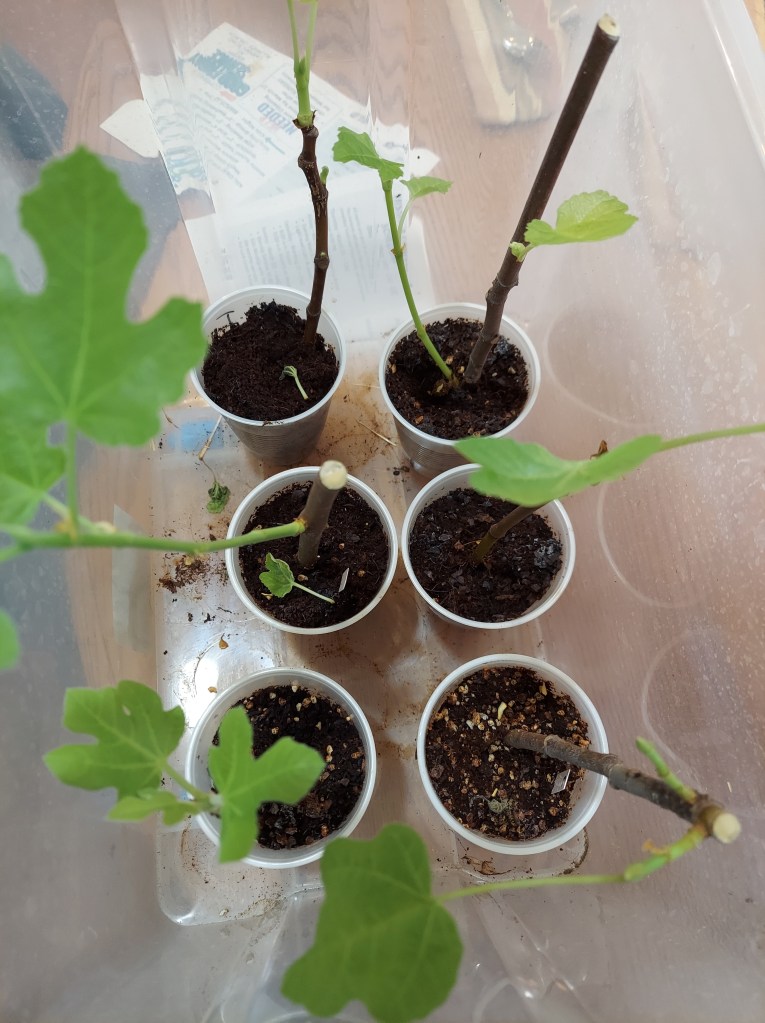
    One tray of figs all ready to go on the heat mat. I labeled the cups as well in case the little plastic labels fell out. I put 18 cuttings in a plastic tote in the upstairs hallway. I have alternated between opening and closing the lid in order to keep the humidity high while also providing some airflow. I checked the moisture level and have only had to water once in the past 10 days.

    For the first few weeks they do not get any additional light in the hallway. I want the sticks to focus on root growth for as long as possible. If they leaf out too quickly, they can cannibalize themselves by diverting all the nutrients to top grown and not to roots. The hallway gets very indirect sunlight.
    The rest of the cuttings went in plastic bags wrapped in damp paper towel. I have had good success with this method in the past, the difficulty lies in keeping them just damp enough while preventing mold from forming. I left the tops open and checked back every couple of days. I added a slight amount of water whenever needed.

    Water propagated cuttings, the white dots are the beginning of root formation. Some of them are developing along the cuts that I made at the base of the stems.

    As of January 9, several of the cuttings in both the water and the paper towel method had started to show roots. It was time to move them into soil. I carefully unwrapped the paper towels and checked each batch of cuttings. In total I found 6 that had started to root, or were budding out and needed to focus on root growth.

    This cutting had the most developed root out of all the paper towel cuttings. It’s about an inch long and definitely ready to be moved to soil. I utilized the same method as before for this follow up round of clear plastic cups inside a small tote.

    A second viable cutting with lots of potential. It has small rootlets forming all down the length. I had to angle it to try and get as much as possible below the soil line of the small cup.

    All total I potted 12 cuttings, 6 from water and 6 from paper towel. A few were budding and one had a full leaf unfurled, hopefully they make it.
    I also checked on the cuttings in the larger tote that just went straight into soil. Happily 3 of them already have visible roots on the edge of their cups after less than two weeks of growth.
    Can’t wait to see how many more of them show visible root growth over the next couple of weeks!

    No comments on 2026 Fig Propagation
  • Looking Back and Planning Ahead

    January 5, 2026
    Uncategorized

    Winter has arrived in New York, and I find that this quiet season is a good time to reflect on the previous gardening year. Snow is blanketing the ground, and all the perennials are hibernating during the cold. A few of the fig trees have started to wake up in the basement, but most of the plants are resting. It’s too early to start seeds but it is a good time to plan for the year ahead.

    The first fig tree has awakened from hibernation. A second tree joined it a week later and they are now with some houseplants beneath a grow light by the back door.

    Last year was a gardening challenge. The spring weather was very difficult, and we had a slow start to the year. Early spring was cold and cloudy with tons of rain followed by near drought conditions. Glad we use sprinklers to water, otherwise a lot of the plants would not have made it. I did have a very good lettuce crop in the greenhouse during the wet, cool spring. We were self-sufficient for salads for the first time which was nice. I did enjoy growing a leafy green mix, all the different leaves made for pretty combinations in the salads. I managed to grow spinach that was large enough to harvest too.
    2 rows of baby salad leaves and 1 row of spinach. I direct sowed these in one corner of the greenhouse, and left them until late May when I transplanted out the cucumbers.

    Nice late May harvest, from both inside and outside of the greenhouse.

    The summer plants did pretty well overall, but we had a major pest problem when the woodchuck moved in under our deck. It took a full month to catch it, and it destroyed my squash, lettuce, and most of the kale plants. The voles also continued to be a nuisance. They didn’t eat whole plants like the woodchuck but did do damage to flower and leafy greens. I had a particularly hard time trying to get pole beans started off at the base of the deck.

    Biggest harvests: compost pumpkins, total weight was 68 pounds! Tomatoes also grew like crazy, tons of “weed” plants from last year’s compost that I allowed to grow. I also successfully grew the heirloom variety Cherokee purple for the first time, so that was cool. In total I grew 73 pounds of tomatoes. I made tons of pasta sauce and also gave away a bunch of tomatoes to family and friends.

    First Cherokee purple, harvested in late July

    Typical single day harvest, late in summer

    We successfully grew about a dozen small ears of corn this year, and I definitely want to try again this season. They tasted really good, and we were able to use the stalks for fall decorating.

    I bought seed potatoes and had my best harvest ever from 5 grow bags, 8.5 pounds and several were regular sized. My first attempt a couple years ago was underwhelming, so I was happy it worked out this time around. The two types of potatoes provided enough for multiple meals for my family.

    I grew onion from sets and was not impressed with the final size when I harvested them. They may have needed more fertilizer throughout the season. Will try again next year.

    I grew a bunch of pepper plants from seed as is my usual. This year they really struggled to produce and it took until late August to get a decent harvest. Most of the bell peppers remained pretty small. I think in terms of individual production one of the jalapenos won.

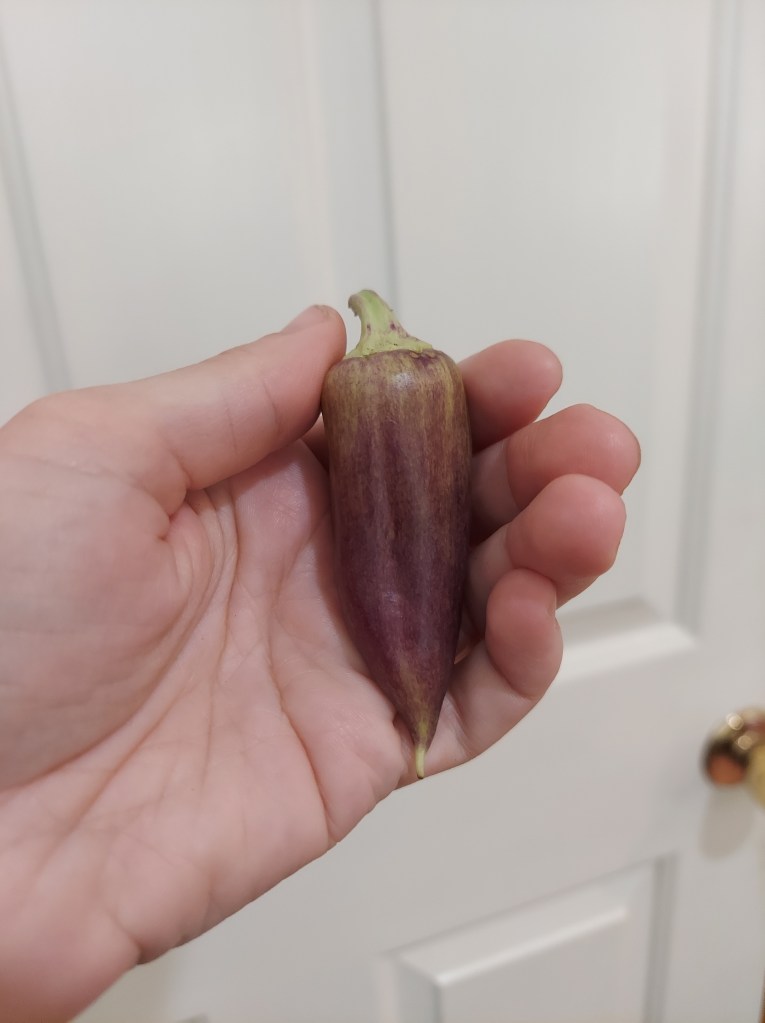
    Oddball produce: a short and fat cucumber next to a tiny but ripe purple bell pepper. Sometimes homegrown produce can surprise you with it’s unusual shape or size.

    The blueberries were mostly a miss this year, but we just transplanted the small bushes last year. The strawberry tower did quite well all year long, I was harvesting them from late April-October. I grew over 9 pounds of garlic, the bulbs weren’t huge, but I still had a good harvest from the bed.

    I added more flowers this year, both purchased starter plants and from seed. First time growing snapdragons; they were surprisingly pretty hanging over the edges of the beds. The dedicated dahlia bed performed far better than I imagined, and I loved cutting all the flowers for vases on the kitchen table. I also harvested my first couple of small apples off of the trees we planted last year.

    In total I grew 215 pounds of produce last year from my backyard garden.

    Goals for 2026:

    1. replacing a decaying wood raised bed with a metal Birdie’s bed
    2. better corn harvest, larger and more ears
    3. more variety of winter squash
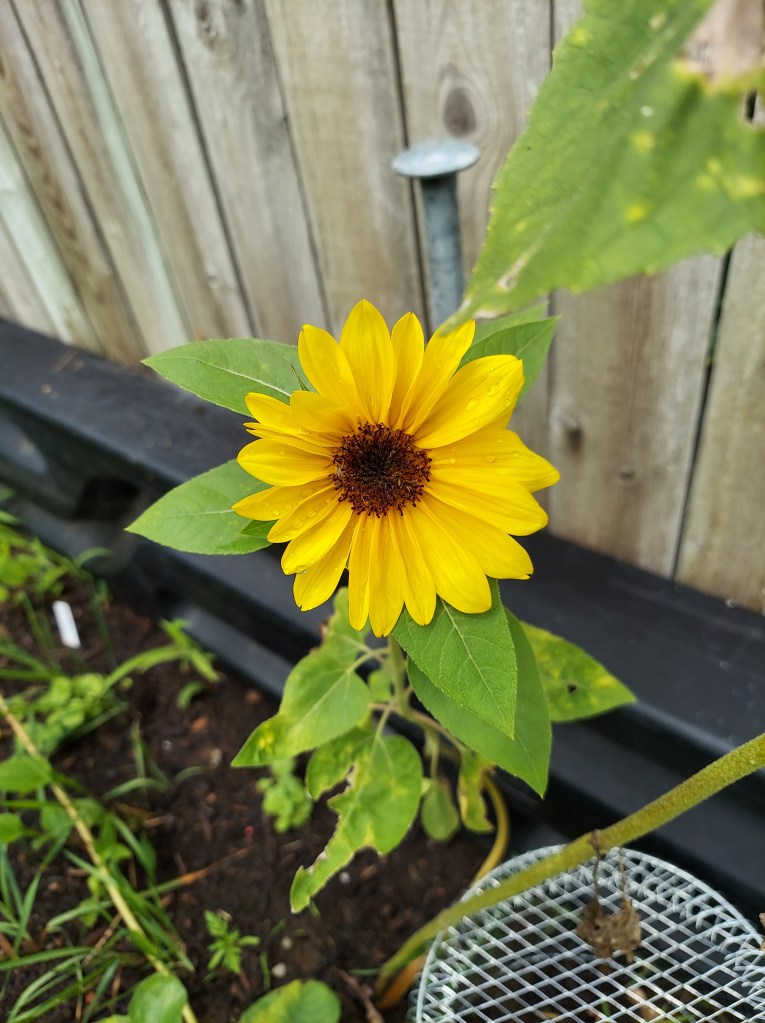
    4. sunflowers, got a couple dinner plate sized Arikara two years ago, and will try again
    5. better productivity from pepper plants
    6. more reliably fertilize the potted fig trees for increased harvest
    7. try other types of “cloning” plants, air layering, cuttings, and collecting seeds for the next season
    8. staying on top of current houseplants, potting up when needed, maybe move a few out into the greenhouse in late spring
    9. better utilize frost cover/row covers to protect early plantings
    10. succession sowing, to keep roots in the ground as long as possible
    11. productivity is good but so is taking time to enjoy the garden and the combination of colors and plants

    No comments on Looking Back and Planning Ahead
1 2 3 4
Next Page

Blog at WordPress.com.

Greenhouse Haven

Growing Veg, Figs, and Flowers

    • About
Loading Comments...
  • Subscribe Subscribed
    • Greenhouse Haven
    • Already have a WordPress.com account? Log in now.
    • Greenhouse Haven
    • Subscribe Subscribed
    • Sign up
    • Log in
    • Report this content
    • View site in Reader
    • Manage subscriptions
    • Collapse this bar